
Hyperpigmentation, and the slow art of fading dark spots
A stubborn mark, a patch that deepens every summer, a faint shadow that lingers long after a breakout heals. Uneven tone is one of the most common skin concerns there is, and one of the most fadeable with patience. This is the calm, science-led version of how.
Hyperpigmentation is your skin making more melanin in some places than others. It is very common, rarely harmful, and usually responds (slowly) to two things done consistently: daily sun protection and a few gentle brightening ingredients. This guide covers the why, the types, the ingredients that help, the habits that quietly work against you, and a simple morning and night routine you can actually keep.
There is a particular frustration that comes with a dark spot. Acne eventually calms. Dryness softens with a richer cream. Pigment lingers. It can make perfectly healthy skin read as tired, and no amount of glaring at the mirror seems to speed it up.
If that sounds like you, you have plenty of company. Uneven tone shows up across every skin type and tone on the planet, and most of it fades with the right approach. The honest catch is that pigment sits deeper and behaves more stubbornly than most concerns, so fading it works more like a slow practice than a quick fix. The goal of this guide is to make that practice feel clear and doable rather than mysterious.
One thing worth setting down first: a dark spot is not a flaw or proof you did something wrong. Pigment is your skin reacting, sometimes a little too eagerly, to the life it has lived. Seen that way, the whole thing gets a lot less heavy, and you can swap frustration for a plan. The plan below is built around how pigment actually behaves, so each step has a reason behind it rather than being one more bottle on the shelf.
The Science, Simply
What causes hyperpigmentation?
Tucked into the lowest layer of your epidermis are cells called melanocytes. They produce melanin, the pigment behind skin, hair and eye colour. Melanin is not the villain. It is your skin's built-in shield, produced to protect deeper layers when it senses a threat.
The trouble starts when production runs hot in one spot. An enzyme called tyrosinase kicks off the melanin-making process, and when something keeps triggering it in one area, melanocytes lay down extra pigment there. The result is a patch that reads darker than the skin around it. Almost every brightening ingredient works by calming that over-eager process or by helping pigment that already formed rise to the surface and shed away.
This also explains the part everyone finds maddening: why pigment fades so slowly. Melanin is made deep down, then passed to skin cells that carry it upward as they mature and shed, a journey that takes weeks. A dark spot is really a column of pigment-loaded cells stacked from deep to surface. Switch off new production today and the pigment already in transit still has to finish its trip out. That is why steady habits beat aggressive ones every time.
The Usual Triggers
Two more drivers round it out. Years of quiet, often invisible sun exposure surface later as sun spots or age spots, usually on the hands, face and chest. And some people are simply more prone to pigment by genetics. None of that is a personal failing. It is biology doing the job it evolved to do.
Nearly every type of hyperpigmentation traces back to melanin over-produced in response to a trigger, usually UV, inflammation or hormones. So the two strongest moves are removing the triggers (sun protection, gentle handling) and calming pigment production (brightening ingredients). The rest is detail.
Know What You Are Looking At
Symptoms & types
Hyperpigmentation is an umbrella term. Telling the types apart matters, because they fade at different speeds and a couple of them benefit from a professional eye. The shared symptom is simple: flat areas darker than your natural tone, from light tan to deep brown or grey.
Post-Inflammatory (PIH)
Flat brown or tan marks left after acne or injury. Among the most responsive types, though it still takes weeks to months.
Sun & Age Spots
Well-defined freckle-like spots on sun-exposed zones: face, hands, chest. The cumulative receipt of years of UV.
Melasma
Larger, symmetrical, blotchy patches, often on cheeks, forehead or upper lip. Hormone-linked, stubborn, best managed with professional input.
Freckles
Small genetic spots that darken with sun and lighten in winter. Usually harmless and more about preference than correction.
Brown means pigment. Pink usually does not.
Not every mark left after a breakout is pigment. Lingering redness is often post-inflammatory erythema, irritated blood vessels rather than excess melanin, and it responds to barrier care and time rather than brightening actives. If a mark is truly brown or grey-brown, it is pigment. If it is pink or purple, it is probably vascular, and that distinction saves a lot of wasted product.
Three questions to place your type
Ask where it is (sun-exposed zones point to sun damage, symmetrical cheeks lean melasma, old breakout sites mean post-inflammatory), when it appeared (pigment that flared in pregnancy or after a new medication suggests a hormonal driver), and how it behaves (spots that darken each summer are sun-reactive). You do not need a perfect diagnosis, just a rough sense of which camp you are in.
Skincare is wonderful for the everyday appearance of discoloration, but it is not a diagnostic tool. If a spot is changing in shape, size or colour, has an irregular border, itches or bleeds, please see a doctor or dermatologist promptly, because those features need a medical assessment rather than a serum. The same goes for melasma that will not budge.
The Plan
How to care for uneven tone
A pigmentation routine does not need to be complicated or expensive. It needs to be consistent, gentle and built around sun protection. Protect the skin so no new pigment forms, then nudge the existing pigment to fade.
If the ingredient list below feels like a lot, the only advice a beginner needs is this: start with sunscreen and one brightening product, and add nothing else for a month. Most people overbuild, then cannot tell what is helping, what is irritating and what is doing nothing. A faithful two-step start beats an ambitious seven-step plan you abandon by week three.
While we are on sunscreen, a quick word on using it well, since this is where most routines leak progress. Apply more than feels natural. For the face and neck, roughly two finger-lengths of product is the amount most studies are based on, and using less means getting less protection than the label promises. Reapply across the day when you can, especially after sweating or long stretches outdoors. And remember the spots that get forgotten: ears, the sides of the neck, and the backs of the hands, all classic places for sun-driven pigment to settle.
Sunscreen
The non-negotiable. Broad-spectrum SPF worn daily is the single most effective anti-pigment product you own. It stops UV re-triggering melanin and protects the progress everything else is making.
Vitamin C
A multitasking antioxidant that may help brighten the overall look and interrupt the pigment pathway while defending against daytime stress. It sits well in the morning, beside sunscreen.
Niacinamide
The gentle all-rounder. Vitamin B3 suits almost every skin type, is thought to limit pigment transfer to the surface, and supports the barrier. Around 2 to 5 percent suits most people.
Targeted brighteners
Kojic acid, licorice, alpha arbutin and tranexamic acid calm tyrosinase and the melanin pathway. The gentler options often suit sensitive, pigment-prone skin best over the long haul.
Gentle exfoliation
Mild AHAs and PHAs encourage dull, pigment-laden surface cells to turn over. The keyword is mild. A couple of times a week is plenty, since over-exfoliating backfires.
Barrier support
Centella (cica), ceramides, panthenol and ectoin keep skin calm and resilient, so it tolerates actives without tipping into the irritation that can cause more pigment.
Retinoids (with care)
Vitamin A speeds cell turnover and may support a more even tone. Start low and slow, always pair with sunscreen, and skip during pregnancy unless a doctor advises otherwise.
Layering order
Cleanse, apply thin water-based products first, then richer creams, and finish the morning with sunscreen. Vitamin C in the day, treatments and retinoids at night. Add one new active at a time.
The Honest Timeline
Setting realistic expectations
Routines fall apart less in the products and more in the timeline we carry in our heads. Pigment fades on a biological schedule that ignores our impatience. Knowing roughly what to expect is often the thing that keeps people going long enough to see change.
Mostly foundations. Skin adjusts to new actives, the sunscreen habit becomes automatic, and you stop feeding new pigment. Little visible fading yet, and that is normal. Resist adding more.
The first quiet wins. Surface marks, especially post-inflammatory ones, start to look softer. Progress is gradual and easy to miss daily, so a monthly photo in steady light beats the mirror.
The long game. Deeper spots and hormonal melasma take several months and may soften rather than vanish. Less noticeable is a worthy goal. If nothing shifts at all, it is time for a dermatologist.
Stop Doing These
What to avoid
Just as important as what you add is what you stop doing. A few well-meaning habits work directly against you, and dropping them often speeds results more than any new product.
Skipping SPF on cloudy days
UV passes through cloud and glass. An on-and-off sunscreen habit is the most common reason a routine stalls.
Picking and scrubbing
Every bit of trauma risks a fresh post-inflammatory mark. Treat your skin as if it bruises easily, because in pigment terms it does.
Over-exfoliating
More acid more often is not better. Stripping the barrier triggers inflammation, which triggers pigment. Restraint wins.
DIY acid hacks
Lemon juice, baking soda and undiluted vinegar are harsh and unpredictable, and can cause burns and rebound darkening. Skip them entirely.
Too many strong actives at once
Piling vitamin C, three brighteners and an acid onto your face usually ends in irritation. Introduce one, then wait a few weeks.
Expecting overnight results
Surface marks take 6 to 12 weeks to visibly improve, deeper pigment longer. Quitting at week three is the quiet killer of good routines.
Hydroquinone and high-strength prescription brighteners can work, but they belong under medical supervision rather than a self-directed routine. The ingredients in this guide support a gentler, everyday approach to the appearance of uneven tone. If you feel you need more, that is a conversation for a dermatologist.
Build The Routine
Recommended products & routine
A simple, complete routine built from formulas available at ProtoClinical, chosen to cover every step a tone-focused regimen needs: a brightening cleanse, a vitamin-rich serum, a targeted treatment, calming moisture and daily sun protection. Patch test new products and introduce them one at a time.
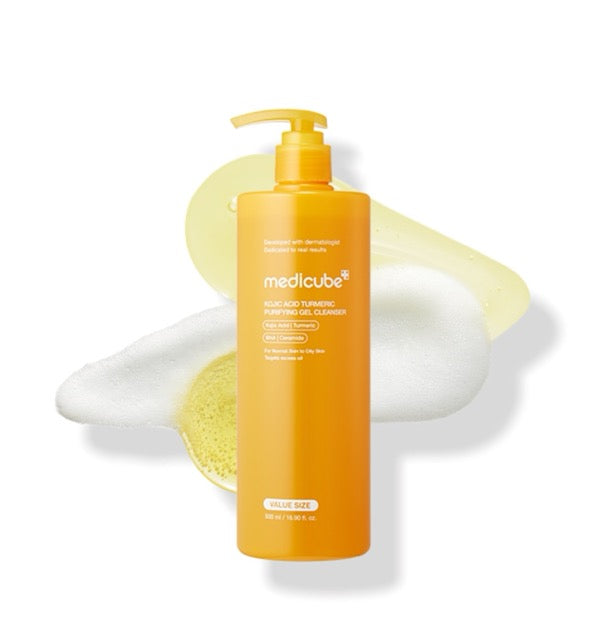
medicube Kojic Acid Turmeric Purifying Gel Cleanser 500ml
A gentle daily gel cleanser with kojic acid and turmeric, a brightening-minded way to start and end the day without stripping the skin.
- Supports a brighter, even cleanse
- Kojic acid and turmeric for tone
- Rinses clean, no tight feeling
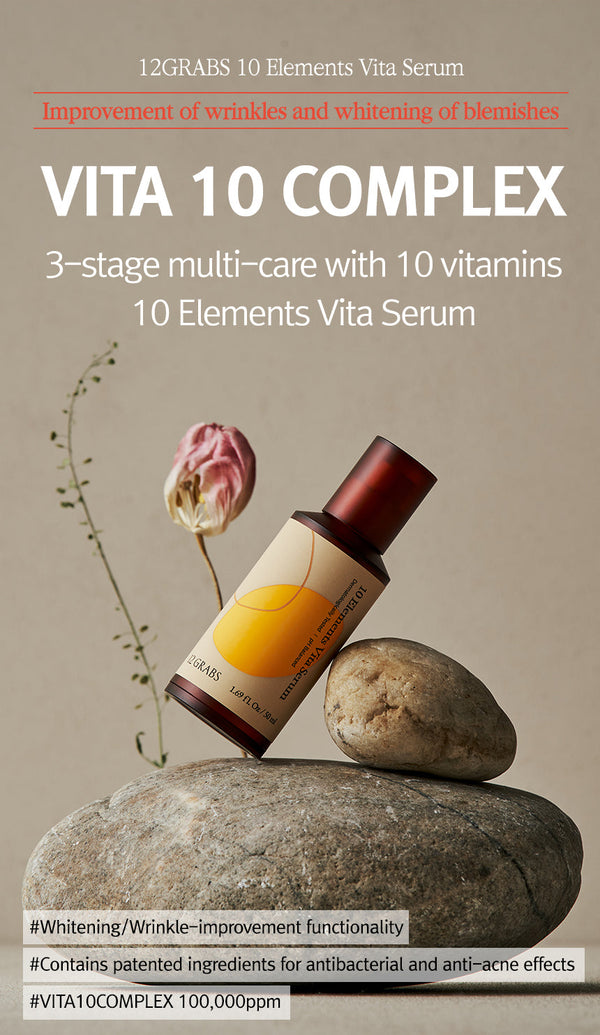
12GRABS 10 Elements Vita Serum 50ml
A vitamin-forward glow serum with lactobacillus, designed to support radiance while reinforcing the skin's barrier. An easy morning layer.
- Vitamin-rich for a luminous look
- Barrier-supporting daily
- Lightweight under sunscreen
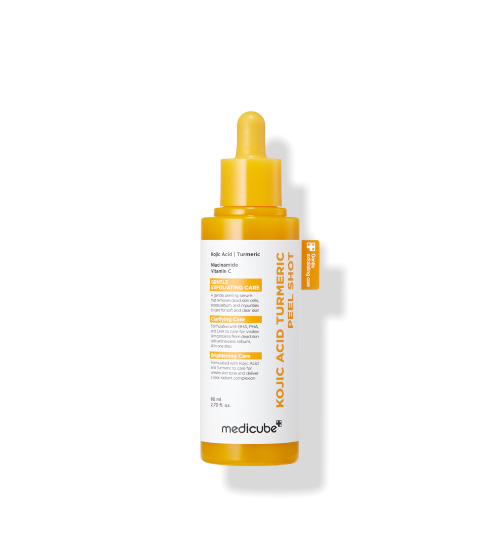
medicube Kojic Acid Turmeric Peel Shot 80ml
A targeted leave-on treatment with kojic acid and turmeric to gently address the look of dark spots and uneven areas in the evening.
- Targets dark spots and dullness
- Gradual surface renewal
- Start a few nights a week
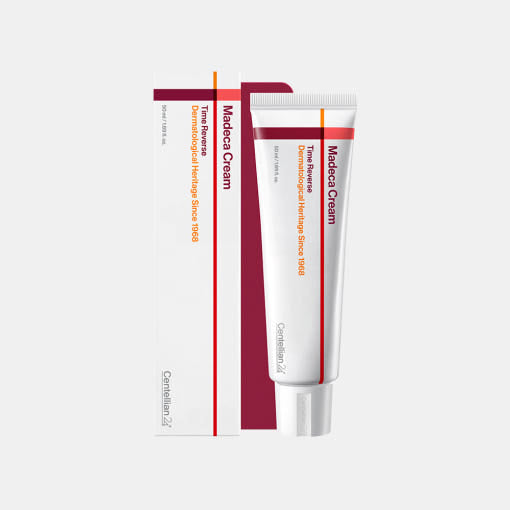
CENTELLIAN24 Madeca Cream Time Reverse 50ml
A centella-rich cream that calms and cushions, the soothing barrier support that lets brightening actives work without tipping into irritation.
- Centella to comfort skin
- Supports the barrier
- Day or night use
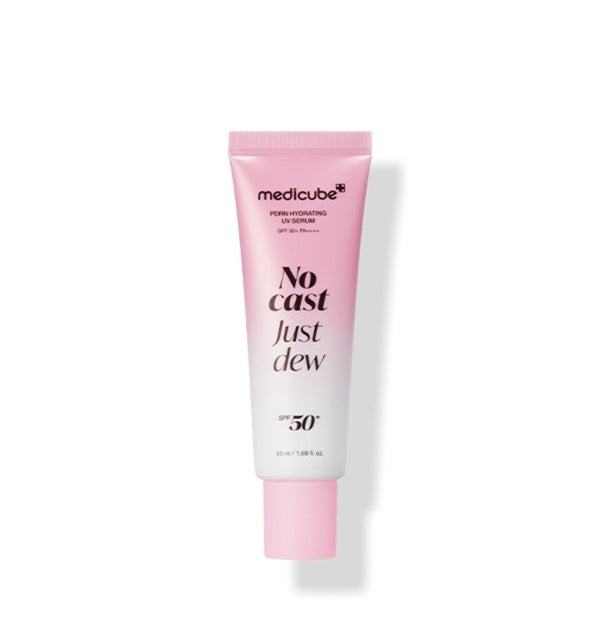
medicube PDRN Hydrating Sun Serum SPF50+ PA++++ 50ml
The most important step of all. A hydrating broad-spectrum sun serum that guards your progress every morning, in a texture that feels like skincare.
- Broad-spectrum SPF50+ PA++++
- Hydrating, serum-light finish
- Protects your results from UV
Those steps fall into a simple daily rhythm. Notice how light the actives are. Pigmentation rewards gentle consistency over intensity.
- 1Gentle cleanseA quick rinse with the kojic acid and turmeric gel cleanser.
- 2Vitamin serumA few drops of the Vita Serum for antioxidant brightening.
- 3MoisturiseA light layer of the centella cream to keep the barrier comfortable.
- 4Sunscreen, alwaysThe PDRN sun serum, generously applied. This protects everything else.
- 1CleanseRemove sunscreen and the day with the same gentle gel cleanser.
- 2Targeted treatmentThe kojic acid and turmeric peel shot, a few nights a week to begin.
- 3Moisturise and recoverSeal with the centella cream so skin repairs overnight.
Beyond The Bottle
Lifestyle & habits
Skincare does not happen in a vacuum. A few everyday habits quietly shape how your skin makes and fades pigment, and they cost nothing but attention.
Shade is skincare too
Sunscreen is essential but not invincible. Shade at peak hours, a wide-brimmed hat and UV sunglasses cut the load, which matters most for sun-sensitive melasma.
Sleep and stress
Chronic stress and poor sleep raise inflammation, and inflamed skin is more prone to pigment. Protecting your rest supports recovery alongside everything you apply.
A colourful plate
No food erases dark spots, but a diet rich in antioxidant fruits and vegetables gives skin the raw materials to defend against the stress that drives pigment.
The hardest part is also the simplest to say: pigment fades on its own timeline, not yours. A monthly photo in consistent lighting tracks progress far better than the bathroom mirror, which lies daily depending on the light. Keep the sunscreen on and let time do its quiet work.
Consistency beats intensity every time. A simple routine worn faithfully for three months will almost always outperform an elaborate one abandoned after three weeks. Protect, brighten gently, support the barrier, repeat.
Good Questions
Frequently asked questions
How long does it take for dark spots to fade?
It varies with the type and depth of pigment. Surface marks like post-inflammatory hyperpigmentation may begin to look better in roughly 6 to 12 weeks of consistent care, while deeper or hormonal pigment such as melasma can take considerably longer and may never fully resolve with cosmetics alone. The biggest factor in seeing results is daily sun protection. Without it, progress stalls.
Do I really need sunscreen even if I stay indoors?
For a pigmentation routine, yes. UVA passes through windows and glass, and incidental daily exposure adds up over time. Daily broad-spectrum SPF protects the work your brightening products are doing, so most experts treat it as non-negotiable for uneven tone.
Can I use vitamin C and niacinamide together?
Yes. The old idea that they cancel each other out has been set aside by modern formulation science, and many products even combine them. They are a complementary pairing for brightening, so there is no need to choose between them or separate them rigidly.
Will exfoliating more often fade my spots faster?
No, and it often makes things worse. Over-exfoliation damages the skin barrier and triggers inflammation, which can stimulate even more pigment. Gentle exfoliation a couple of times a week is plenty. With hyperpigmentation, restraint is more effective than aggression.
Are natural remedies like lemon juice safe for dark spots?
It is best to avoid them. DIY acids like lemon juice are harshly and unpredictably acidic, can cause irritation or even chemical burns, and may trigger rebound darkening, the opposite of what you want. Well-formulated cosmetic ingredients are gentler and far more reliable.
What is the difference between hyperpigmentation and post-acne redness?
Hyperpigmentation is excess melanin and reads brown or grey-brown. The pink or purple marks some people see after a breakout are usually post-inflammatory erythema, irritated blood vessels rather than pigment, which respond more to barrier care and time than to brightening actives. Matching the mark to the right approach saves wasted effort.
When should I see a dermatologist instead of treating it at home?
See a professional if a spot is changing, has an irregular border, itches or bleeds, or if pigmentation like melasma is not responding to a consistent cosmetic routine. Skincare addresses the everyday appearance of uneven tone, but it is not a substitute for medical assessment when something looks unusual.
Your tone, on your timeline
Fading uneven skin is a gentle, patient practice, and you do not have to figure it out alone. Explore brightening and tone-focused formulas designed to support smoother, more even-looking skin, one consistent day at a time.
Shop tone & pigmentation careThis article is for general educational purposes and reflects a cosmetic, appearance-focused approach to uneven skin tone. The products discussed are cosmetics, not treatments for medical conditions. Always patch test new products, introduce actives gradually, and consult a qualified healthcare professional or dermatologist for persistent, changing or concerning skin symptoms.