
ProtoClinical � Skincare guide
Choosing a face mask for aging skin is easier when you stop treating age as a product category. A sheet mask cannot reverse natural aging, restore lost facial volume, or replace daily sun protection. It can be a short, optional step for a present need, such as a dry-feeling surface before an event, a preferred gel texture, or a relaxing routine that you will use as directed. The best choice is the format and formula that fit your skin today, not the product with the most dramatic words on its package.
Dermatologists recommend building an anti-aging routine around sunscreen and moisturizer, setting realistic expectations, and choosing products for your skin type and one priority at a time. A mask belongs outside that foundation. The evidence for a particular mask does not transfer automatically to every product with the same ingredient name or format. Even the label "firming" does not tell you how a product was tested, how long an effect lasted, or whether the result was more than short-term hydration.
This guide compares sheet, hydrogel, two-step rubber, overnight, and wash-off masks. It shows what each format can reasonably do, what to check on a product page, how to avoid irritating an already reactive routine, and how to decide when a mask is a useful extra versus an unnecessary step.
Quick answer: choose for the skin concern you actually have
If your skin feels tight or looks temporarily creased after cleansing, start by checking whether your cleanser or moisturizer is leaving it uncomfortable. A moisture-focused sheet or gel mask may make the surface feel more comfortable for a short period, but a regular moisturizer is often the simpler product to use consistently. If your face is comfortable and your goal is a lasting change in wrinkles, dark spots, or laxity, a mask is not a substitute for evidence-based daily care or a conversation with a dermatologist.
Use this short decision sequence:
- Name the immediate concern. Is it dryness, a temporary dull look, the feel of a routine, oil in one area, or a longer-term concern such as wrinkles?
- Choose a format that suits your time and preferences. A sheet mask is pre-portioned; a hydrogel may feel cooler or closer-fitting; a sleeping mask is a leave-on product only when its directions say so; a clay mask is a wash-off format, not an automatic anti-aging choice.
- Check the full ingredient list, fragrance, directions, contact time, and package quantity. The title on a product page is not a substitute for its current label.
- Introduce one new item at a time. Follow the product directions and stop if it stings, burns, itches, or causes a rash.
- Keep moisturizer and sun protection in place. A mask should not displace daily sunscreen or a routine that already works.
There is no universal "best mask for mature skin." Skin changes with time, but people of the same age can have very different levels of dryness, oil, sensitivity, and tolerance. Choose by those present-day differences.

What "aging skin" means for a mask decision
"Aging skin" describes a broad audience, not a single skin type or diagnosis. Natural aging, sun exposure, genetics, hormones, medication, climate, and daily habits can affect the way skin looks and feels. Some people notice more dryness or fine lines. Others remain oily or reactive. A label such as "for mature skin" cannot tell you whether a formula will suit your face.
That matters because masks are often marketed by age-related concern. A shopper may see "lifting," "plumping," "collagen," "PDRN," "rejuvenating," or "firming" and assume those words predict a durable change in skin structure. They do not, by themselves. A product title describes positioning. To understand what a specific product can reasonably support, you would need its exact formula, directions, the details of any product-specific study, the comparison group, the outcome measured, and the duration of follow-up.
An immediate smoother look can have a more ordinary explanation. Moisture can make dry surface lines less noticeable while that hydration is present. That is different from removing a wrinkle or changing the deeper structures that contribute to facial folds and loss of firmness. The U.S. Food and Drug Administration distinguishes cosmetic moisturizing or temporarily making lines less noticeable from claims that a product changes skin structure or function. The claim and intended use matter, not just the word "cosmetic" on a product page.
The American Academy of Dermatology recommends beginning with sunscreen and moisturizer, then focusing on one concern. It also warns against promises of overnight transformation. That guidance is useful here because a mask is often an occasional, short-use product. It should not be asked to do the work of a daily sunscreen, a moisturizer you tolerate, or a treatment selected with a clinician.
What a face mask can and cannot reasonably do
A face mask is a product format, not a guaranteed result. Formulas range from watery essence on a sheet to a gel, cream, hydrogel, multi-step kit, sleeping mask, or rinse-off clay. The material changes how the product sits on the skin and how you use it. It does not establish that the ingredients penetrate to a particular depth or produce a long-term anti-aging effect.
A mask can be a convenient way to apply a pre-portioned amount of product for the contact time listed on the package. Some people like the close fit or the routine itself. A hydrating formula may temporarily help dry skin feel more comfortable. If a mask is a leave-on product, its emollient or occlusive ingredients may affect how the skin feels afterward. These are practical surface-level outcomes, not proof that the mask reverses aging.
The research base needs careful reading. A randomized, split-site study of a ceramide-containing moisturizer in 24 adults with senile xerosis found improvements in hydration and barrier measures on treated lower-leg skin. That was a cream study, not a trial of face masks, and it does not show that every ceramide product produces the same result. A 2024 evaluation of one native bovine-collagen sheet mask reported hydration and eye-wrinkle-volume findings across several product-specific studies. The authors were affiliated with the manufacturer. The study does not establish that unrelated products marketed with collagen, peptides, or "firming" claims have the same effects, or that any short-term change lasts.
The useful conclusion is modest. Some masks may support a short period of hydration or comfort, depending on the exact formula and user. Product-specific research may support a particular claim only within its own study design. A mask name, ingredient family, collection category, or retailer description cannot fill in missing evidence. When a mask promises a lifted face, restored collagen, or a dramatic age reversal, ask what was measured and for how long.
Compare the main mask formats
Sheet masks
A sheet mask carries an essence in a fabric, cellulose, or other sheet that rests on the face for a stated time. It is convenient and pre-portioned. The fit around the nose, mouth, and jaw can vary, and the amount of essence left in the pouch is not a reliable measure of effectiveness. Use the time and removal directions on that exact package. Leaving a sheet on until it dries is not a sound way to increase its benefits; discomfort or dryness is a reason to remove it.
Choose a sheet when portability, a one-use amount, or a quick moisture-focused step matters. If you have reactive skin, inspect the full list for fragrance, essential oils, exfoliating acids, and other ingredients you already know you avoid. "Hypoallergenic" does not guarantee that a product cannot trigger a reaction.
Hydrogel masks
Hydrogel masks use a gel-like sheet that can feel cool and conform closely to the face. Product pages may use words such as "firming," "collagen," or "plumping." Treat those as the brand's framing until you can inspect product-specific evidence. The gel material itself does not prove a lifting effect.
This format may suit someone who prefers a close-fitting mask and is comfortable following its stated wear time. Compare whether the mask is one piece or multiple pieces, how it handles the jaw and eye area, and whether the listed directions require removal or rinsing. Never extend the time simply because the mask still feels wet.
Two-step or rubber-mask kits
Two-step kits pair an ampoule or serum with a separate mask layer. They can make a routine feel more involved and may require sequencing the components. That does not make them stronger or more suitable for older skin. Read whether the package says to apply the ampoule first, how long to wear the mask, and whether anything should be washed off.
This format is a poor match if you want a quick, low-variable routine, are unsure how your skin tolerates one of the components, or already use several active products. If the kit contains ingredients that overlap with a retinoid or exfoliating routine, do not assume the mask will buffer irritation. Ask the prescribing clinician if a prescription is involved.
Sleeping or overnight masks
"Sleeping mask" usually signals a leave-on format, but the product's own directions decide how it is used. Some are intended as a final evening layer. Others may call for a limited amount, a specific schedule, or removal. Do not infer overnight wear from the name alone.
An overnight format can be convenient if you already know you tolerate the formula and like its finish. It can be a poor choice if you dislike residue, are prone to clogged pores, have a known sensitivity to an ingredient, or need to test a new formula before a long contact period. Introduce it on a night when you are not also testing another new product.
Clay and other wash-off masks
Clay masks are rinse-off products. Their purpose and formula differ from a hydrating sheet or sleeping mask. A person who notices oil in the T-zone may choose to use a wash-off formula only where and as directed, but dry or tight areas do not need extra stripping because a package mentions pores or age. "Aging skin" does not mean every area is dry, and oil control is not an anti-aging outcome.
Check whether the product is a clay mask, peel-off formula, scrub, or mask-to-foam cleanser. Do not treat those formats as interchangeable. If the product tightens, stings, burns, or leaves persistent redness, rinse according to directions and discontinue it.

Match the mask to a real skin need
| What you notice | Format to compare | What to prioritize | What to avoid assuming | |---|---|---|---| | Tight, dry-feeling surface | A simple sheet or gel mask; compare a moisturizer first | Comfortable finish, no known irritant, clear use directions | That "plumping" means a lasting wrinkle change | | Dull look before an event | A familiar moisture-focused sheet or hydrogel | A product you have used before, easy removal, no new actives | That a new "brightening" mask will safely transform tone overnight | | Oil in one area with dry cheeks | A targeted wash-off format only if it fits your skin | Directions that allow localized use, gentle removal | That one mask must cover the whole face | | Sensitivity or a history of reactions | A short, simple formula or no mask | Full INCI, fragrance awareness, test plan, stop rule | That "natural," "clean," or "hypoallergenic" means risk-free | | Wants a simple routine | A single-step sheet, or skip the mask | Few steps and predictable use | That a multi-step kit is more effective | | Wants a long-term wrinkle plan | Keep sunscreen and moisturizer; ask about established options | Consistency, realistic claims, clinician guidance where needed | That a sheet or sleeping mask can replace treatment |
The table is a decision aid, not a diagnosis. If your skin is persistently painful, inflamed, itchy, or unusually reactive, pause new masks rather than trying to solve a medical skin problem with more products.
Read the ingredient list without letting a headline decide
The front of a package is designed to help a product stand out. The ingredient list and directions help you make a more specific comparison.
Humectants and moisturizers
Glycerin and hyaluronic acid are common humectants. They are used in formulas to support skin hydration, but a product's total effect depends on the whole formula, how much is applied, the contact time, and what follows it. A mask containing a humectant is not automatically better than a moisturizer you already tolerate.
Emollients and occlusive ingredients can affect softness and reduce the feeling of dryness. If a mask leaves a film you dislike or feels heavy, that is a legitimate reason to choose another format. Skin comfort and routine fit are useful criteria even when they do not correspond to an "anti-aging" claim.
Collagen, peptides, and PDRN
These words appear in mask marketing, and sometimes in product names. Their presence does not establish the finished product's effect on wrinkles or skin structure. A product-specific study of a defined formula cannot be transferred to another mask that lists a similar ingredient. If a listing says "clinically tested," look for what was tested, how many people were included, what the comparator was, which outcome changed, and whether the result persisted after use stopped.
The collagen-sheet-mask paper mentioned above examined a specific native collagen material and reported several separate investigations. That is more informative than a name alone, but it still does not answer whether a different collagen mask improves wrinkles. The ceramide-moisturizer trial measured a cream on lower-leg xerosis, not a face mask. These studies provide context, not a shopping shortcut.
Fragrance, botanical extracts, and active ingredients
Fragrance and plant extracts are not automatically unsafe, but they may be relevant if you have a known sensitivity. If an ingredient has caused problems before, check the current full list rather than relying on a "calming" or "sensitive skin" badge. Irritation can make the skin look and feel worse, regardless of the product's age-related marketing.
Exfoliating acids and retinoids need more care than a simple moisture step. A mask that includes an exfoliant is not necessarily appropriate to layer on the same evening as a retinoid, benzoyl peroxide, or another strong active. Follow the product directions and the prescribing clinician's instructions. If you cannot tell how the product fits, leave it out until you can ask.

How to compare "firming," "lifting," "collagen," and "rejuvenating" language
These words are useful for identifying what a product is marketed around. They are not a rating system. A shopping page may describe a mask as firming, lifting, collagen-rich, or rejuvenating without giving enough information to judge the size, durability, or relevance of an effect.
Use four questions:
- Is the result described as a temporary appearance change, such as skin looking more hydrated, or as a lasting structural change?
- Does the claim cite a study on this finished product, or only general ingredient research?
- Is there a time period, comparator, sample size, and named outcome?
- Does the claim ask you to expect an effect that a mask's directions and contact time cannot reasonably support?
The FDA explains that moisturizing claims and making lines less noticeable through moisturizing are cosmetic claims, while claims that a product removes wrinkles or increases the skin's collagen production can cross into drug or device territory. That is a regulatory distinction, not proof that a specific product works or fails. As a shopper, separate a product's permitted marketing language from independent evidence about its results.
A useful card can still point to a product whose name includes "firming" or "collagen." The card should identify the exact product and format, then encourage checking its current label and directions. It should not restate every retailer slogan as though it were clinical evidence.
Use a mask without disrupting the routine that already works
The safest general approach is to keep other variables stable when you try something new. If your usual routine includes a gentle cleanser, moisturizer, sunscreen, and a treatment recommended by a clinician, a mask is optional. It does not need to replace any of those steps.
For a new mask:
- Check the current directions and ingredient list on the package or official product page.
- Avoid testing several new products at once. If irritation appears, you will not know which item caused it.
- Follow the stated contact time and placement. Keep products away from the eye area unless that product is specifically intended for it.
- Remove or rinse the product exactly as directed. Do not extend wear to chase a stronger result.
- If you have reactive skin, test cautiously first. The AAD recommends trying a small amount on the inner forearm twice daily for four to five days before applying a new anti-aging product to the face. A home test cannot guarantee that a reaction will never happen.
- Stop if the product stings, burns, tingles, itches, or causes persistent redness or swelling. A sensation of burning is not a sign that a mask is working.
If you use prescription tretinoin or another prescribed topical, ask the prescriber how to add a mask. A mask may change the way a product sits on the skin or increase the time that other ingredients remain in contact. Generic layering advice cannot account for your dose, schedule, diagnosis, or barrier condition.
For daily photoaging prevention, the AAD recommends sun protection as a core part of an anti-aging plan. A mask used occasionally cannot offset unprotected ultraviolet exposure. Choose a sunscreen you can apply as directed and keep it in your regular routine.
A practical product-selection checklist
Before you buy, answer these questions:
1. What job am I asking the mask to do?
Write one concrete outcome: "I want my dry-feeling skin to feel more comfortable tonight," or "I want a close-fitting gel mask that I can use according to its directions." Avoid goals such as "erase ten years" or "replace my skincare routine." A narrow goal makes comparisons honest.
2. Is the format right for my schedule?
If you want a ten-minute step, compare sheet and hydrogel products with clearly stated contact times. If you dislike sticky residue, an overnight format may not suit you. If you do not want to rinse, skip clay and other wash-off products. A mask you will not use as directed is not a good fit, even if the ingredient list looks impressive.
3. Can I understand the full directions?
Check whether the product is one-step or two-step, whether it is leave-on or rinse-off, where it can be applied, how long it should remain, and whether moisturizer or another layer follows. If the official product page has incomplete instructions, check the package before use.
4. Does the ingredient list conflict with a known sensitivity?
Look for fragrance, essential oils, exfoliating acids, retinoids, or other ingredients that you already know you avoid. Do not rely only on front-label "clean," "natural," "dermatologist-tested," or "for mature skin" wording. Those phrases do not tell you how your skin will respond.
5. Is a claim supported at the product level?
If the page makes a clinical claim, ask whether the study tested this exact finished product, not a raw ingredient or different formula. Note how many people were in the test, how long they used it, what the comparison was, and whether the measure was hydration, a photographed wrinkle, self-reported feel, or something else. The same word can describe very different evidence.
6. Does the package size fit how often I actually mask?
One mask, a five-pack, and a multi-use jar have different costs per use and different storage considerations. Compare package count and expiration or period-after-opening guidance. Do not buy a large set because a bundle appears to promise better results.
7. What is my stop rule?
Decide in advance: if you feel burning, develop persistent redness, or notice itching or swelling, you will remove or rinse the product as directed and stop using it. If a reaction is severe or does not settle, seek medical advice instead of adding another mask to compensate.

Examples from the current ProtoClinical mask catalog
The products below are examples of formats listed on the official storefront, not a ranked "best of" list and not claims of proven anti-aging results. Product information, ingredient lists, availability, and directions can change. Open each current product page and verify the label before buying or use.
Single-use and ampoule-in-mask formats
REJURAN Dual Effect Ampoule In Mask Firming & Radiance is listed as a set of five ampoule-in-mask treatments. Compare its current directions and ingredient list with a simpler sheet mask. Its title uses "firming" and "radiance," but those words alone do not establish a lasting skin change.

Ampoule-in-mask sheet format, five pieces.
REJURAN Dual Effect Ampoule In Mask Firming & Radiance 30ml x 5
Check the current package for the full ingredient list, contact time, and removal directions. Product-title language is not evidence of a lasting change.
View product detailsREJURAN C-PDRN Booster Shot Gel Mask is listed as a five-pack gel mask. The product name includes PDRN and "booster," which should be read as product positioning. Check the current package directions, contact time, and ingredients rather than inferring a treatment effect from the name.

Gel mask, five pieces.
REJURAN C-PDRN Booster Shot Gel Mask 35g x 5
Check the current package for the full ingredient list, contact time, and removal directions. Product-title language is not evidence of a lasting change.
View product detailsnumbuzin No.2 Rose PDRN Collagen Plumping Sheet Mask is a five-pack sheet-mask example. The title highlights collagen and plumping. For a decision, the relevant questions are whether the formula suits your skin, whether you like the fit, and what short-term result the product-specific evidence actually measured.

Essence sheet mask, five pieces.
numbuzin No.2 Rose PDRN Collagen Plumping Sheet Mask 33ml x 5
Check the current package for the full ingredient list, contact time, and removal directions. Product-title language is not evidence of a lasting change.
View product detailsHydrogel and overnight formats
Dr.Jart+ Dermask Hydro Firming Face Mask is sold in a five-pack and names hydrolyzed collagen and hyaluronic acid. It is an example of a hydrogel-oriented product description. Compare its fit and directions with a regular moisturizer, and treat any retailer outcome claim as a claim to evaluate, not a promise.

Hydrogel-oriented face-mask format, five pieces.
Dr.Jart+ Dermask Hydro Firming Face Mask with Hydrolyzed Collagen and Hyaluronic Acid 30g x 5
Check the current package for the full ingredient list, contact time, and removal directions. Product-title language is not evidence of a lasting change.
View product detailsnumbuzin No.2 Rose PDRN Overnight Collagen Mask is listed as a leave-on mask. The title suggests an overnight format, but the current label should determine wear time and removal. Do not leave a product on longer than directed simply because the name says "overnight."

Overnight mask format, four pieces; follow the current label for wear and removal.
numbuzin No.2 Rose PDRN Overnight Collagen Mask 37g x 4
Check the current package for the full ingredient list, contact time, and removal directions. Product-title language is not evidence of a lasting change.
View product detailswhamisa Organic Flowers Hydrogel Mask and whamisa Organic Algae Kelp Mask are hydrogel or sheet-style examples from the mask collection. Check the full ingredient list, package directions, and whether the texture suits your preferences. The botanical name alone does not predict how your face will tolerate a formula.
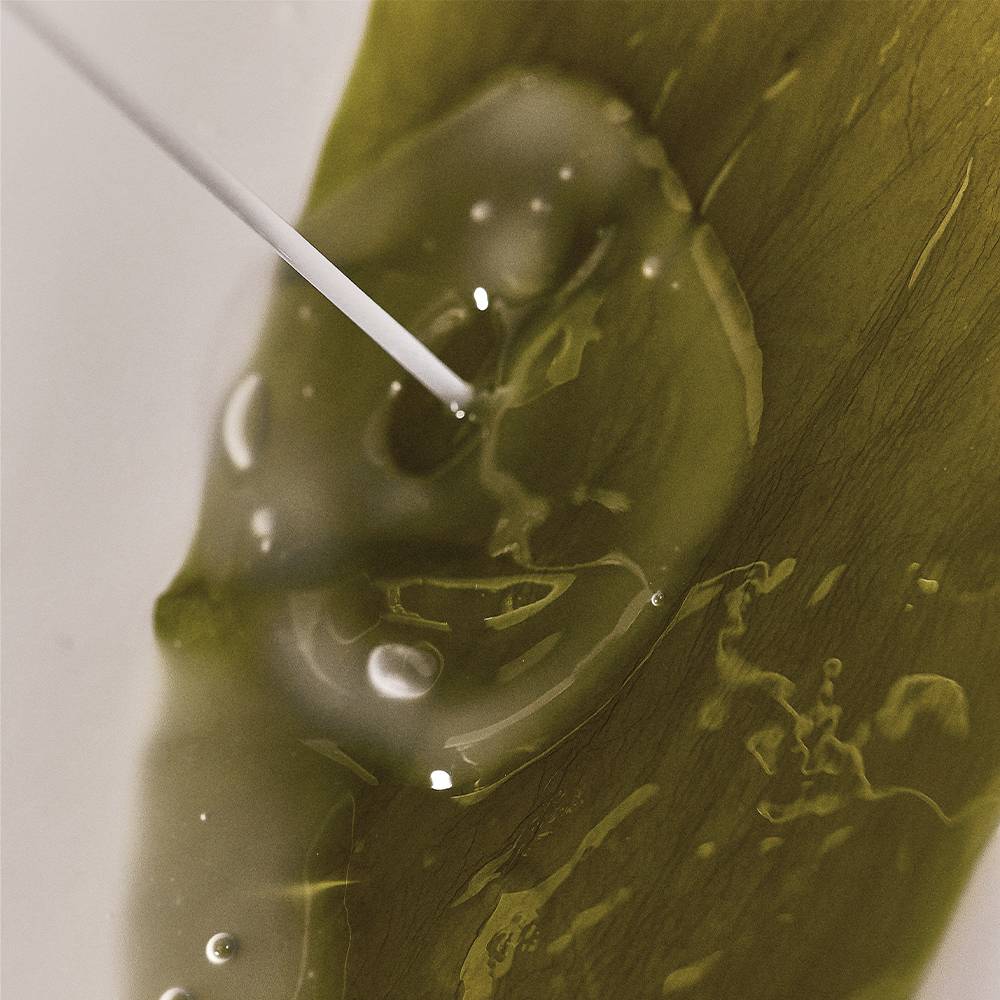
Mask listing, five pieces; verify the current label for exact material and directions.
whamisa Organic Algae Kelp Mask 5ea
Check the current package for the full ingredient list, contact time, and removal directions. Product-title language is not evidence of a lasting change.
View product details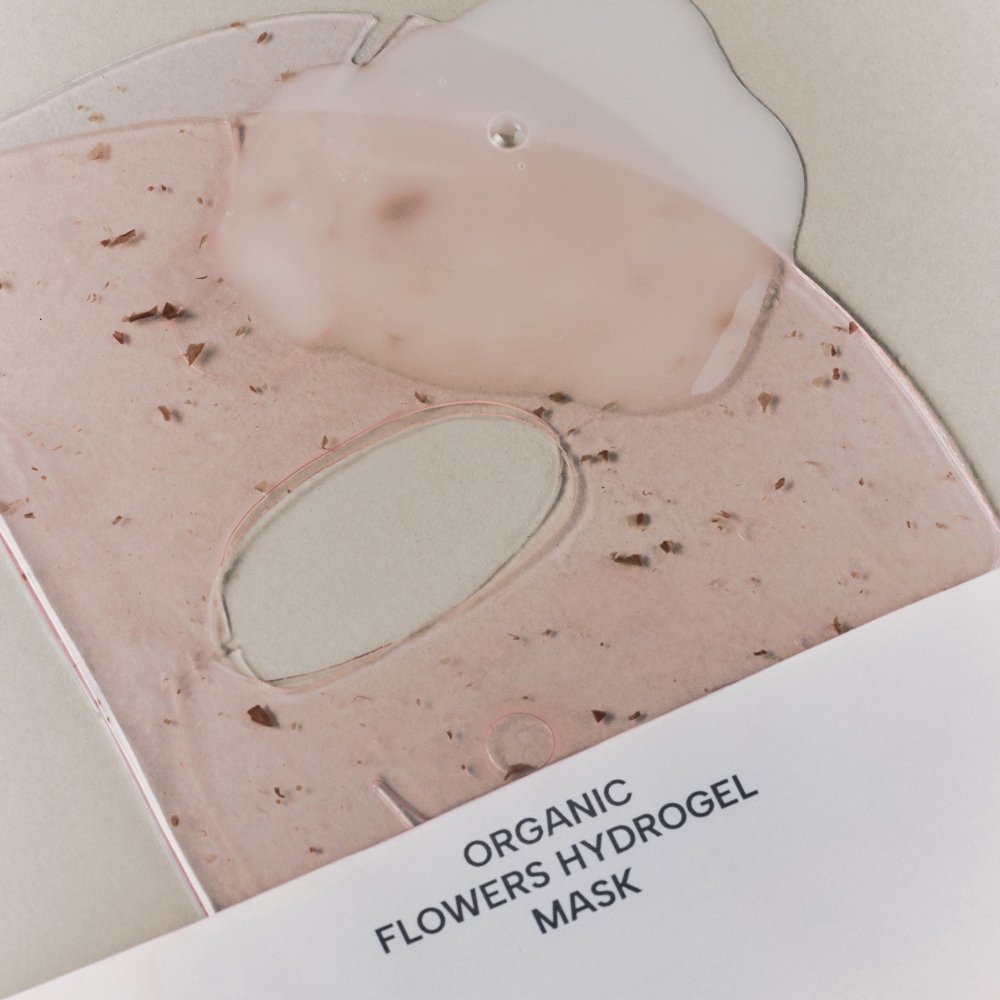
Hydrogel mask format, five pieces.
whamisa Organic Flowers Hydrogel Mask 5ea
Check the current package for the full ingredient list, contact time, and removal directions. Product-title language is not evidence of a lasting change.
View product detailsTwo-step rubber-mask kits
Dr.Jart+ Cryo Rubber Moisturizing Mask pairs an ampoule with a separate rubber mask layer. It is a two-step option for shoppers who want to compare that experience with a single sheet. Check the ampoule and mask directions as a pair; do not assume the "cryo" name means medical cooling or treatment.

Two-step ampoule plus rubber-mask kit, one set.
Dr.Jart+ Cryo Rubber Moisturizing Mask 1ea
Check the current package for the full ingredient list, contact time, and removal directions. Product-title language is not evidence of a lasting change.
View product detailsDr.Jart+ Cryo Rubber Firming Mask is another two-step listing. The word "firming" is part of the product name. Compare the components, application sequence, and time required, and do not treat the claim as evidence of long-term lifting.

Two-step ampoule plus rubber-mask kit, one set.
Dr.Jart+ Cryo Rubber Firming Mask 1ea
Check the current package for the full ingredient list, contact time, and removal directions. Product-title language is not evidence of a lasting change.
View product detailsGel-mask examples
innisfree Green Tea PDRN Exosome Rejuvenating Gel Mask is a five-pack gel-mask listing. "Rejuvenating" and "exosome" are terms in the product name; they do not explain the finished formula's clinical effect. Review the current ingredient list and use directions.

Gel mask, five pieces.
innisfree Green Tea PDRN Exosome Rejuvenating Gel Mask 25ml x 5
Check the current package for the full ingredient list, contact time, and removal directions. Product-title language is not evidence of a lasting change.
View product detailsREJURAN C-PDRN Booster Shot Gel Mask can also be compared in this category if you prefer a gel format. The product name and retailer description are not proof that a gel mask can restore deeper collagen or replace a routine chosen for your skin.
These examples overlap in marketing language, but they are not identical in format, package, directions, or formula. Do not choose by who uses the strongest word. Choose by product instructions, ingredient tolerability, the time you are willing to spend, and the modest outcome you actually want.

Short decision examples
"My cheeks feel tight, and makeup catches on dry patches."
First check your cleanser, the amount of moisturizer you use, and the room or weather conditions. A moisture-focused sheet or gel mask may make the surface feel more comfortable for a short time, but a dependable moisturizer is usually the daily step to prioritize. If the tightness persists, flakes, or itches, pause new masks and consider professional advice.
"I want a lifted look before an event."
A temporary hydrated or film-forming finish may make skin look smoother for a while. That is a cosmetic appearance effect, not a reliable change in facial structure. Choose a product you have used before, follow the directions, and do not experiment with an unfamiliar active on the day of an event.
"I have oily skin and wrinkles."
Oily skin can still show wrinkles or photoaging. You do not need to choose a rich sleeping mask simply because you are older. If you want a mask, consider whether a lighter gel or a targeted rinse-off product fits your actual concern. Avoid applying a drying clay mask across areas that feel tight just because the product is in an anti-aging collection.
"I already use a retinoid."
Keep the routine predictable. Do not add an exfoliating mask or a multi-active mask on the same night without checking the directions and the clinician's advice. A moisturizer may help with dryness, but a mask is not a guaranteed buffer for irritation from a prescription.
"A product says it is clinically proven."
Find the study details. "Clinically tested" can refer to different types of consumer or instrumental assessment. Ask whether the product was tested, the number of participants, the comparison, the outcome, and the follow-up. A result in hydration immediately after one use does not prove lasting wrinkle reduction.
When to skip the mask and ask a clinician
Skip cosmetic experiments if your skin is actively inflamed, cracked, swollen, blistering, or persistently itchy. A mask is not a treatment for eczema, rosacea, infection, an unexplained rash, or a suspicious lesion. If a mark is new, changing, bleeding, painful, or not healing, arrange medical evaluation instead of covering it with a sheet mask.
If you have a history of allergic contact dermatitis, significant sensitivity, or are using a prescribed topical, ask a dermatologist or prescriber which ingredients and formats to avoid. That is especially useful when a product contains fragrance or multiple active ingredients. A "natural" or botanical formula can still trigger a reaction, and a product marketed for sensitive skin is not a guarantee.
Seek urgent help for a severe reaction such as facial swelling, widespread hives, breathing difficulty, or blistering. Stop the suspected product and do not try to neutralize a reaction with another cosmetic.
Frequently asked questions
What is the best face mask for aging skin?
There is no single best mask for everyone. Compare the product's formula and use directions with your present concern, such as a dry-feeling surface, sensitivity, or preference for a particular texture. Treat anti-aging, collagen, lifting, and firming wording as marketing until product-specific evidence supports the exact claim.
Do sheet masks reduce wrinkles?
A hydrating sheet mask may make fine dry lines look less noticeable temporarily by changing surface hydration. That does not mean it removes wrinkles or creates a durable change in skin structure. The effect depends on the exact finished formula and the outcome measured.
Is hydrogel better than a sheet mask?
Not automatically. Hydrogel and sheet masks differ in material, fit, essence, directions, and feel. Choose the one you are comfortable wearing as directed. A close fit or more expensive material is not proof of a larger anti-aging effect.
Can I sleep in a sleeping mask?
Only if the current package directions say it is intended to remain on overnight. The product name alone is not enough. Follow its amount, timing, and removal instructions.
Should I use a mask every day?
Follow the individual product directions and the rest of your routine. More frequent use is not automatically better. If a mask contains exfoliating ingredients or causes irritation, reduce or stop use and ask a clinician if needed.
Can I use a mask with retinol or tretinoin?
The answer depends on the specific mask, retinoid, schedule, and your skin's tolerance. Keep the rest of the routine stable, avoid stacking unfamiliar actives, and ask the prescribing clinician about a prescription routine.
Does collagen in a mask rebuild collagen in my face?
An ingredient name does not prove a finished cosmetic product increases collagen in facial skin. The FDA notes that claims to increase skin collagen production can be structure/function claims. A study on one specific collagen sheet mask does not establish that all collagen-labeled masks have the same effect.
Is "clinically tested" the same as FDA-approved?
No. The AAD notes that "clinically proven" or "tested" wording does not by itself mean a product underwent a clinical trial or received FDA approval. Look for the exact study and outcome, and do not treat a badge as a recommendation.
Can a mask replace moisturizer or sunscreen?
No. A mask is an optional product format. A moisturizer and daily sun protection have different routine roles. Keep the steps you already tolerate and use a mask only if it adds something you value.

Keep the goal modest
A mask can be an optional comfort step. Daily sunscreen, a moisturizer you tolerate, and clear product directions remain more useful foundations.
Related ProtoClinical guides
Continue with the broader Best Skincare for Aging Skin guide for routine-level decisions. If you are choosing package size or comparing one sheet-mask format, see How to Choose a Korean Sheet Mask Pack. For daily sun care, use The Benefits of Korean Sunscreen Explained. The Vitamin C vs Retinol guide explains two different treatment roles, and Skincare Routine: Step-by-Step Order helps place optional steps without overbuilding a routine.

Browse the right mask collection
- Korean face masks: compare the broad mask catalog.
- Korean sheet masks: compare single-use and multi-pack formats.
- Hydrogel masks: review gel-mask listings and directions.
- Sleeping masks: check leave-on formats and their product-specific instructions.
- Clay and wash-off masks: compare rinse-off products separately from leave-on masks.
Collection membership is not evidence that a product is right for a particular skin type, available for every destination, or proven to change signs of aging. Open each current product page and read the full ingredient list and directions.

Evidence and references
- American Academy of Dermatology, How to select anti-aging skin care products.
- American Academy of Dermatology, How to maximize results from anti-aging skin care products.
- American Academy of Dermatology, 11 ways to reduce premature skin aging.
- U.S. Food and Drug Administration, Wrinkle Treatments and Other Anti-aging Products.
- Lueangarun S, et al. Ceramide-containing moisturizing cream in senile xerosis treatment. Dermatologic Therapy. 2019. Split-site randomized controlled study, 24 participants, lower-leg xerosis.
- Janssens-B�cker C, et al. Native collagen sheet mask: clinical evaluation. Journal of Cosmetic Dermatology. 2024. Product-specific evaluation with manufacturer-affiliated authors.

The practical choice
A mask can be a pleasant, optional way to add a short step when its formula and directions suit your skin. It cannot be ranked as a universal anti-aging treatment from a product title or ingredient name. Choose the format you can use comfortably, set a modest goal, verify the current label, and keep the more important parts of your routine steady. If your concern is persistent irritation, an unexplained change, or a lasting wrinkle treatment plan, ask a dermatologist rather than expecting a mask to do more than its evidence supports.

0 comments