
Skin patterns, carefully explained
Forehead Pimples: What Their Location Can and Cannot Tell You
A breakout on the forehead can be acne, but its location is only one clue. The pattern, the kind of bumps, what touches the hairline, and how the skin changes over time are more useful than a face-map guess.
By ProtoClinical | Educational information, not an individual diagnosis.
Quick answer: Forehead pimples usually mean that bumps have formed in a common acne-prone area, not that the forehead points to one particular organ or hidden condition. Acne develops in hair follicles; forehead skin also sits beside hair, sweat, hats, headbands, and styling products. Those details can be useful to review, but a location alone cannot identify the cause. If bumps are painful, itchy, unusually uniform, scarring, spreading, or persistent, a clinician can help determine whether they are acne or something that looks similar.
What does "forehead pimples" mean?
People use "forehead pimples" to describe several different things: a few red bumps, whiteheads along the hairline, clogged-looking pores between the brows, or a broad patch of small bumps. Those descriptions sound similar in everyday conversation, but they do not all point to the same process. A pimple is a visible bump; acne is a skin condition involving the hair follicle and oil-producing gland. A bump in that area could be an acne lesion, but it could also be irritation, an inflamed follicle, or another condition that needs a different response.
The phrase "forehead pimples meaning" often comes with a request for a simple explanation: "What does this location say about my body?" The most accurate simple answer is that location is a clue, not a diagnosis. Forehead skin contains follicles and sebaceous glands, just as other parts of the face do. It is also close to the scalp and exposed to products, sweat, headwear, and repeated contact. Several different pathways can therefore lead to visible bumps in the same area.
The American Academy of Dermatology explains that dermatologists assess lesion type and location when diagnosing acne; conditions such as folliculitis can resemble it. In other words, a pattern can add context, but a forehead spot does not provide a reliable code for an internal organ or one exact cause. The direct answer remains the same without a face map: identify what is present before choosing what to do next.
Location maps and "forehead meanings"
Online face maps often assign a meaning to each zone: one area is said to represent digestion, another the liver, and another stress or a particular hormone. Those charts can sound certain because they use a neat picture and a one-word explanation. But a face map is not a dermatologic diagnosis. Acne is a follicular skin condition; a forehead bump cannot reveal that a specific internal organ is unhealthy. A location can prompt a clinician to ask about exposure and distribution, but it does not identify a hidden organ problem by itself.
There is an important difference between saying "this region is exposed to hair products and headwear" and saying "this region proves that one organ is out of balance." The first is a practical observation about contact. You can compare where a product rests with where a breakout appears. The second turns an appearance into a diagnosis without examining the lesion or considering a medical history. If you have symptoms beyond the skin, discuss those symptoms on their own merits with a qualified clinician instead of using a pimple map to rule a condition in or out.
The same caution applies to short social-media explanations that claim a forehead breakout always means stress, sugar, dehydration, or hormones. These factors do not affect every person in the same way, and no one location proves which factor is involved. The AAD's overview of acne causes and contributors distinguishes the follicular process from influences that may contribute to acne or make existing acne worse. Read that as a framework for careful questions, not as a way to diagnose yourself from a mirror.
The common phrase "forehead pimples meaning" is best answered with the same level of care: a pimple is a skin finding, and location alone does not assign a medical meaning to it. This is a limit of what the observation can tell you, not a dismissal of the concern. A persistent skin change deserves attention when it hurts, scars, spreads, or disrupts daily life.

A location is a clue, not a code
What the forehead shows is skin. What caused the bumps takes context.
Use the visible pattern to ask better questions about lesion type, products, friction, symptoms, and timing. Do not use it to diagnose an organ or hormone condition.
Hormones and forehead acne: what the location cannot settle
Hormones can influence acne, but neither the forehead nor jawline is a hormone test. People can have different lesion types in several locations, and stress, medicines, product contact, and friction may add context. If a pattern is persistent, painful, scarring, or paired with other changes that concern you, describe the full picture to a clinician rather than using one site to infer a hormone disorder or decide whether testing is needed.

What can you do at home while the cause is uncertain?
Keep the basics predictable. Wash gently with fingertips and lukewarm water; avoid abrasive brushes, gritty scrubs, and repeated cleansing. Cleanse after sweating when appropriate, then let the skin dry without rubbing it hard. Keep hair oils, waxes, or leave-in products from coating the forehead if the pattern suggests they may be contacting that area. Clean regularly used headbands or helmet liners according to their care instructions. Do not pick, scratch, or squeeze the bumps.
Make only one change at a time. If a recently introduced cosmetic seems relevant, pause or alter that one exposure if it is safe to do so, while keeping the rest of the routine stable. Do not stop a prescribed medicine without discussing it with the prescriber. Avoid adding a string of new acids, spot treatments, masks, and exfoliating pads in response to a pattern you have not identified. More products do not make the cause easier to see.
Use products for the role they are designed for, and follow their labels. A cleanser rinses off. A moisturizer helps with hydration and comfort. Sunscreen protects against ultraviolet exposure. A hydrocolloid patch covers an individual spot when used as directed. None of these roles tells you whether the underlying bump is acne, whether a hair product caused it, or whether an internal problem exists. If you are not sure what the bump is, diagnosis comes before a treatment plan.

A simple checklist for a useful appointment
If you book an appointment, you do not need to decide which condition you have first. A dermatologist can assess the bumps and ask about their timeline. Before the visit, consider writing down:
- When you first noticed the bumps and whether the change was sudden or gradual.
- Where they sit: along the hairline, under a band or helmet, in the center of the forehead, or across a broader area.
- What they feel like: itchy, tender, painful, burning, or not especially noticeable.
- Any new or changed skin-care, hair-care, makeup, or sunscreen products that touch the area.
- How often you wear headgear or sweat during activity, and how the gear is cleaned.
- Any prescription or over-the-counter medicines you use, including recent changes.
- What you have already tried and whether it caused dryness, stinging, or other changes.
A few consistent photographs may help show progression, but a camera is not a diagnostic tool. Photograph only the affected area, use comparable light and distance, and avoid filters or skin-smoothing settings. Do not delay care to complete a log if the rash is rapidly worsening or causing substantial pain. Do not share private medical photos on public forums. The purpose of a note is to help you communicate, not to turn you into your own dermatologist.
Build a routine around comfort, not a forehead theory
When a breakout is uncertain, a short routine is easier to evaluate than a long stack. A simple morning may include gentle cleansing if needed, a moisturizer if your skin needs it, and sunscreen. An evening can include removing makeup or sunscreen and cleansing gently, followed by a moisturizer. A targeted acne treatment belongs only when acne is a reasonable working diagnosis or a clinician has recommended it, and it should be introduced according to its label or treatment plan.
Using ten products in a row does not make a routine more "clinical." It increases the number of variables and may make irritation harder to trace. A toner, essence, serum, exfoliating pad, spot cream, and mask are optional categories, not required steps. If you enjoy a cosmetic step and tolerate it, it can fit into a routine, but a cosmetic product is not a substitute for diagnosis. The public collections for facial cleansers, foam and gel cleansers, toners and essences, face moisturizers, and sunscreen are shopping hubs that let readers compare formats.
For broader acne routine structure, read Korean Skincare Routine for Acne-Prone Skin. That guide discusses roles in an acne-prone routine; it still cannot determine whether an individual forehead bump is acne.

Cosmetic examples are not diagnostic tools
The product cards below show different formats listed on the ProtoClinical public site. They are included as optional examples for readers who are comparing cleanser, moisturizer, sunscreen, and spot-cover formats. They do not form a ten-step routine. They are not a medical treatment plan, and choosing a product cannot establish what caused forehead bumps. Check each live product page for its complete details and current listing information; do not infer from a product name that it will clear, prevent, or diagnose acne.
Some listings use terms such as "acne" or "blemish" in their product names. The presence of such wording does not turn a cosmetic into a prescription medicine. Several cleansers contain exfoliating ingredients, and using multiple exfoliating products together may increase irritation. If you already use a dermatologist-directed plan, ask before adding overlapping ingredients. Readers who want to compare categories can also browse the store's acne-prone skincare, breakouts, and acne patches and spot-care hubs. These are shopping destinations, not evidence that a forehead pimple has one specific cause.

What if the bumps are actually a different condition?
Several conditions can look like acne at first glance. Folliculitis, dermatitis, and other inflammatory eruptions may cause bumps or redness. Some are itchy; some are tender; some spread quickly; and some resemble closed comedones in a mirror. Those clues can make a professional assessment more useful, but they are not diagnostic tests. A clinician may examine the skin, ask about products and medicines, and decide whether any additional evaluation is needed.
Do not keep repeating acne treatments on an eruption that is getting worse, particularly if you notice swelling, intense irritation, crusting, pain, or a widespread rash. Pause newly added non-prescription products that appear to irritate the area and contact a qualified clinician for advice. If you are experiencing an urgent allergic reaction, difficulty breathing, swelling of the lips or eyes, or another emergency symptom, seek urgent medical care rather than troubleshooting a cosmetic routine.
For milder, persistent uncertainty, a routine dermatology appointment can still be appropriate. The person assessing you does not need the perfect label from you. A clear description of appearance, timing, symptoms, and exposures is enough to start a useful discussion.

What makes a forehead pattern worth checking?
Acne can occur wherever follicles and oil-producing glands are present, including the forehead. The useful local question is whether the bumps sit mainly at the hairline or temples, follow a headband or helmet edge, or appear across the central forehead without a clear contact pattern. Those are observations to compare with timing, symptoms, and recent exposures-not a code for an organ, hormone, or single cause. The next sections show how to make that comparison and when lookalikes call for an examination.
Useful clues: distribution, lesion type, timing, and contact
If the forehead is the main area affected, start with observations that can be checked. Are the bumps mostly at the hairline or scattered across the central forehead? Are they open or closed comedones, red papules, pustules, or something you cannot confidently identify? Did they start after a new leave-in product, a change in hair routine, frequent helmet use, a hot-weather activity, or a medication change? Do they itch, hurt, scale, or feel unusually tender? Has this happened before, and do the same exposures repeat?
These questions do not let you diagnose yourself. They organize information that can help you decide whether a simple exposure change is reasonable and what to tell a dermatologist if the pattern persists. Location becomes more meaningful when it lines up with a specific contact area or timing. For example, a cluster of small bumps at the hairline after adding a greasy styling product is a reason to review that product and how it contacts the skin. It still does not prove that the product caused acne; a clinician would consider the appearance, duration, and other possible explanations.
By contrast, a broad breakout across the forehead and cheeks may not correspond to one local product or pressure point. A new skin-care product can irritate or clog some people, but a sequence of unrelated breakouts after product changes can also be coincidental. Avoid changing five parts of a routine at once. If you make one low-risk change, note it and leave other variables stable long enough to understand whether anything changes.
Hair products and hairline bumps: a plausible lead, not a verdict
Hair oils, pomades, waxes, leave-in conditioners, styling creams, and some other hair-care products can leave residue around the hairline. The AAD describes small bumps and whiteheads on the forehead or along the hairline in people whose hair-care products are contributing to breakouts. If the location overlaps where a product rests or transfers, check the timing: did the bumps begin or increase after a new formula, heavier application, or a change in how hair is worn?
The first experiment should be modest. Keep the product away from the forehead if practical, apply less, wash residue off the skin after use, and launder pillowcases, hats, or headbands that regularly collect oily product. If a product label says "oil-free" or "non-comedogenic," that can be useful information, but it is not a guarantee that every person will tolerate it. Do not throw away an entire routine based on one blemish or immediately replace it with several new products.
When hair-product acne is the explanation, the AAD notes that clearing may take four to six weeks after removing the likely trigger. That time frame is a reason to avoid judging a change after two days; it is not a promise that every forehead bump will clear on that schedule. If there is no improvement, the bumps worsen, or the appearance is unusual, reassess rather than repeatedly stripping the skin. For a look at the relevant store categories, the public hair and scalp care and conditioner and hair treatment hubs are available; those collections are shopping pages, not evidence that any listed product causes acne.

Sweat, friction, and pressure around the forehead
The upper forehead can be covered by bangs, a sports helmet, a cap, a headband, or protective equipment. Warmth, moisture, friction, and pressure can change how skin feels and may contribute to irritation or acne-like eruptions in some settings. The key is specificity: a recurring line of bumps where a strap presses is more useful to notice than the broad statement "my forehead means something is wrong." The pattern might still have more than one explanation, but the contact area provides a testable question.
Try practical hygiene rather than aggressive treatment. Follow the cleaning instructions for a helmet liner, sweatband, or head covering; let the skin dry after sweating; and avoid wearing a tight or dirty band against already irritated skin when you can do so safely. Wash the skin gently after a sweaty activity if it needs it, but do not scrub or wash repeatedly every time it looks shiny. Scrubbing can make already inflamed skin more uncomfortable without revealing the cause of the bumps.
Friction is not a universal explanation for forehead acne, and a headband alone should not be blamed without a pattern. Look at when the bumps appear, whether they match contact points, and whether they improve after one sensible exposure change. If the area is painful, swollen, crusted, or spreading, do not keep testing equipment changes on your own; ask a clinician to assess it.

How to read the pattern without self-diagnosing
Appearance can provide another clue, but small forehead bumps are hard to classify from memory or a phone photograph. Comedones may look like blackheads or small flesh-colored closed bumps. Inflammatory acne can include tender red papules or pustules. Folliculitis and other rashes may overlap in appearance, and itching or a very uniform crop can be a reason to ask whether the eruption is actually acne. These descriptions are not a checklist that substitutes for an exam.
Try not to squeeze a bump to see what comes out. Picking can increase inflammation, prolong visible marks, and raise the chance of scarring. Do not use a needle, abrasive scrub, or high-strength acid just because the area is small. A close-up view of one lesion cannot tell you whether several bumps in the same area share a cause.
If the pattern is unusual, take a clear dated photo in similar lighting every week rather than inspecting it repeatedly under different lighting. Make a note of whether there is itch, pain, scaling, new medication, or a new exposure. Bring that short record to a clinician if you need an appointment. You do not have to arrive with a diagnosis; the purpose is to describe what changed. For more context on other acne-looking patterns, see the public ProtoClinical guides to closed comedones and blackheads and congested pores.
Clue table: what a forehead pattern can and cannot say
| What you notice | What it can be a reason to review | What it cannot establish |
|---|---|---|
| Small bumps clustered along the hairline | Whether oily or leave-in hair products touch that border; whether the timing overlaps a product change. | That a hair product definitely caused the bumps, or that every lesion is acne. |
| A line of bumps beneath a headband or helmet edge | Friction, pressure, heat, sweat, or cleaning frequency for the item. | A specific diagnosis or a need for stronger exfoliation. |
| Comedones with occasional inflamed spots across the forehead | A pattern compatible with acne that may merit routine review if persistent. | Which hormone, food, organ, or stressor caused it. |
| Uniform, itchy, tender, scaly, or rapidly spreading bumps | A reason to get professional eyes on the area because several conditions can resemble acne. | That an over-the-counter acne routine is the right next step. |
| Breakouts that change after a new skin or hair product | A cautious one-variable review, including where and how the product is used. | Proof of causation based on timing alone. |
A pattern is most useful when you can describe it precisely: what the bumps look like, where they begin and end, when they appeared, and what changed before that. "My forehead means my liver is struggling" is not a useful clinical description. "Small bumps appeared at the hairline three weeks after I started using a wax that touches my forehead" gives a clinician an exposure and a timeline to evaluate, while still leaving room for other causes.

How to review hair and skin products safely
Start with what is actually on the skin. Look at the front and back of each product you use near the hairline, including styling products, leave-in formulas, sunscreen, makeup, cleansers, and moisturizers. Note where you apply it, whether it transfers to the forehead or pillow, how often it is used, and when the bumps began. This helps distinguish a product that merely exists in your bathroom from an exposure that plausibly contacts the area.
If one likely product stands out, change one variable at a time. You might keep a leave-in formula off the hairline or pause the newest cosmetic product while leaving basic cleansing and sun protection steady. Avoid stopping prescribed medications or medically recommended treatment without speaking with the prescriber. A label such as "non-comedogenic" or "won't clog pores" can be a reasonable comparison point, but no label can promise that an individual will never react or break out.
Do not add a new acid, scrub, retinoid, benzoyl peroxide, spot cream, and drying mask all at once to "cancel out" the suspected trigger. If irritation develops, you will not know which step caused it. When acne is confirmed and treatment is appropriate, dermatology guidance generally requires patience; the AAD says many acne treatments need at least six to eight weeks before fewer breakouts appear. That time frame refers to treatment response, not a do-it-yourself diagnostic test.
A low-drama observation plan
A short log is useful only if it reduces guesswork. It should not turn into constant skin monitoring. Choose one day each week, use similar light and distance for a photograph if you want one, and write three or four factual notes. Record approximate location, general type of lesion if you can identify it, itch or tenderness, recent product or headwear changes, and any step you changed. Keep the log private; you do not need to share a face photo publicly.
Give a low-risk hair-product change enough time to be meaningful. The AAD notes that a hair-product-related breakout can take four to six weeks to clear after the likely product is removed. If you are using an acne medication under professional guidance, follow the treatment plan and ask the clinician how long to assess it. Do not extend or stop a medication solely because of an online article. A simple log can help a clinician distinguish what happened from what you fear it might mean.
End the experiment early and contact a professional if the skin becomes painful, rapidly worse, swollen, crusted, or otherwise concerning. Persistence despite sensible changes also deserves a review. The goal is to gather information, not to prove that a particular ingredient or lifestyle choice is to blame.

When does a forehead breakout need a dermatologist?
Arrange professional care when bumps are painful, deep, scarring, widespread, repeatedly returning, or not responding to an appropriate plan. Consider an appointment sooner if the eruption appeared suddenly, is intensely itchy, spreads beyond the forehead, involves the scalp or eyelids, or looks different from acne you have had before. These are reasons to ask for an assessment; they do not identify one alternative diagnosis on their own.
It is also reasonable to ask for help when acne affects sleep, confidence, work, school, or social life. A dermatologist can discuss severity, how long the pattern has lasted, medications and cosmetic exposures, and the range of treatment options. If you are pregnant, trying to become pregnant, breastfeeding, have a medical condition, or use prescription medicines, check with a clinician before adding active ingredients. Some treatments need extra precautions, and an internet article cannot review your individual health history.
Bring a concise timeline rather than a theory about what a facial zone means. Note when the bumps started, what they look and feel like, what touches the area, what has changed, and what you have tried. If you have dated photographs, choose a few that show progression in similar lighting. That information can make the visit more useful and reduce the pressure to guess at a cause beforehand.
Ten optional product formats from the live store
These linked examples are included to make the shopping part concrete, not to turn the article into a treatment plan. Choose a product only when you understand its role and how it fits with the rest of your routine. A cleanser, moisturizer, sunscreen, and spot-cover patch do different jobs; none can tell you why a forehead bump appeared. Confirm current directions and formula details on each public PDP. The card photos below are official product images from those pages, and the buttons lead to the matching product pages.
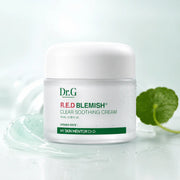
Dr.G R.E.D Blemish Clear Soothing Cream
A lightweight moisturizer format. Its PDP states that it is a cosmetic moisturizer, not an acne medication.
View product details
celimax Oil Control Moisturizing Cream
A cream texture to compare with lighter gels. Product names and claims are not a diagnosis or promise about your forehead.
View product details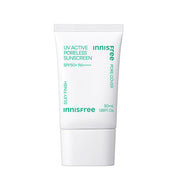
innisfree UV Active Poreless Sunscreen
A sunscreen listing to compare by texture and directions. Sun protection is a routine role, not a treatment for the cause of bumps.
View product details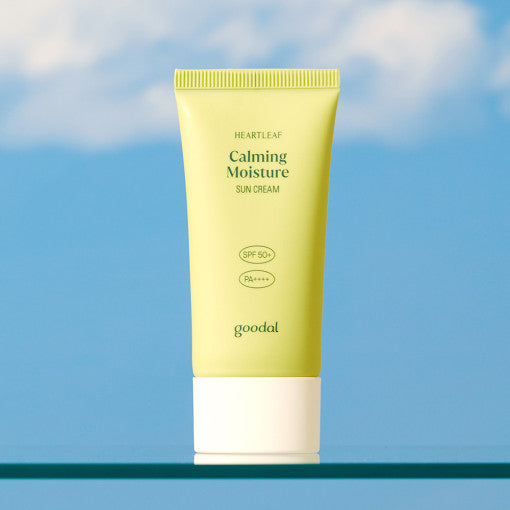
goodal Heartleaf Calming Moisture Sun Cream
An alternate sun-cream format. Check the live page for the full formula and labeled application instructions.
View product details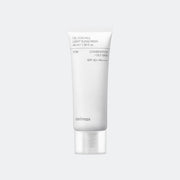
celimax Oil Control Light Sunscreen
Another sunscreen texture example. Compare only the format and directions; do not infer that "oil control" identifies a pimple trigger.
View product details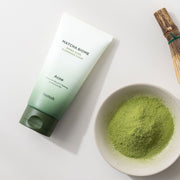
heimish Matcha Biome Amino Acne Cleansing Foam
The PDP lists 0.5% salicylic acid in this rinse-off cleanser. Do not stack it automatically with other exfoliating products.
View product details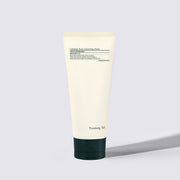
Pyunkang Yul Calming Acne Cleansing Foam
An alternative cleanser listing, not an additional step to layer with another exfoliating wash.
View product details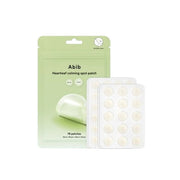
Abib Heartleaf Calming Spot Patch
A hydrocolloid patch format for an individual blemish when appropriate. Follow its directions; it cannot identify what a bump is.
View product details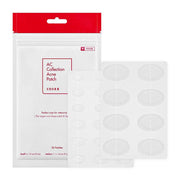
COSRX AC Collection Acne Patch
A spot-cover format with several sizes listed on the PDP. Compare the package directions with the actual blemish and your clinician's advice.
View product details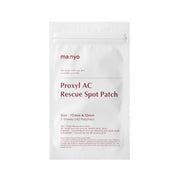
Manyo Factory Proxyl AC Rescue Spot Patch
A spot-patch option whose listed ingredients include salicylic acid and tea tree oil. Check the full label and avoid duplicating actives without a plan.
View product detailsThese cards are not a required regimen and are not endorsements of a specific diagnosis. A reader who does not need a new product should not add one simply because a forehead pimple appeared. The store's acne-prone skincare, sunscreen, and spot-care pages are commercial hubs for browsing formats; the medical decisions in this guide rely on dermatology sources below.
Frequently asked questions
What do pimples on the forehead usually mean?
Usually, the phrase means that bumps are present on a common acne-prone area. Acne is one possibility because acne involves hair follicles and can affect the forehead. But location by itself does not confirm acne or reveal a single cause. Hair products, sweat, pressure, irritation, medicines, and other skin conditions can be relevant depending on the pattern. A clinician looks at the type of lesion, symptoms, distribution, history, and course rather than assigning a diagnosis from one location. If bumps are mild and familiar, a gentle routine and a brief exposure review may be reasonable; if they are severe, unusual, painful, scarring, or persistent, seek professional evaluation.
Do forehead pimples mean a problem with my liver, stomach, or another organ?
A pimple on the forehead cannot diagnose a liver, stomach, or other internal-organ problem. Face maps that assign one organ to one facial zone are not a substitute for medical assessment. Acne is a follicular skin condition, and a clinician evaluates the actual skin pattern and your history. If you have symptoms beyond the skin, raise those symptoms directly with a healthcare professional; do not rely on a face map to diagnose or exclude a medical problem. Seek care promptly for new or concerning symptoms, and separately have persistent or painful skin changes assessed by a dermatologist.
Why are the bumps only along my hairline?
A hairline distribution is a reason to check what touches that border: styling products, leave-in conditioner, oils, hats, headbands, helmet liners, or repeated friction. Hair-product residue can contribute to small forehead bumps for some people. The pattern is a clue, not proof. Keep the rest of your routine stable, change one plausible contact at a time, and avoid stopping prescribed treatment without advice. If a likely hair product is responsible, clearing can take several weeks; the AAD notes that this may take four to six weeks after removing the trigger. If the area is itchy, painful, spreading, or unchanged, ask a clinician rather than escalating scrubs.
Can dirty hair cause pimples on the forehead?
"Dirty hair" is too broad to be a useful diagnosis. Hair oils or styling products can transfer residue to the skin, and hats or headbands can collect sweat and product. That is different from saying that ordinary hair or a normal scalp is dirty and directly causes acne. Focus on product contact, gear cleanliness, sweat, and timing. Clean items according to their care directions and gently rinse the skin after sweating when needed. Do not repeatedly wash or scrub the forehead to make it feel squeaky. If the bumps persist or look unusual, the cause may not be related to hair at all.
Does forehead acne mean my breakouts are hormonal?
No. A forehead location alone does not establish a hormonal cause. Hormones can influence acne, but diagnosis depends on the full pattern, lesion types, symptoms, history, and sometimes other clinical information. Someone with acne on the forehead may also have product, friction, or unrelated contributors; someone with hormone-influenced acne may have lesions in more than one area. If acne is persistent, severe, scarring, or accompanied by other changes that concern you, talk with a clinician. Avoid purchasing an "hormone-balancing" product based only on where one or two bumps appear.
What if the forehead bumps are itchy or all look the same?
Itching and a very uniform appearance are useful details to mention because acne is not the only condition that can cause small bumps. They do not identify an alternative diagnosis by themselves. Stop adding new active products, avoid picking, and arrange clinical assessment if the bumps persist, spread, become painful, or do not resemble acne you have had before. A dermatologist can examine the area and decide whether the cause is acne, folliculitis, dermatitis, or something else. If you develop swelling, crusting, severe pain, or rapidly spreading irritation, seek care promptly rather than testing multiple acne treatments.
How long should I wait after changing a hair product?
If a hair-care product is truly contributing to bumps, the skin may take time to clear after the product is removed. The AAD notes that hair-product-related breakouts can take four to six weeks to clear. That is not a guarantee, a diagnostic test, or a reason to ignore worsening symptoms. Keep other routine changes limited so you can tell whether the exposure change helped. If there is no improvement after a reasonable period, if the eruption worsens, or if you are unsure whether it is acne, speak with a dermatologist. Do not delay care for painful, scarring, or rapidly changing lesions.
Should I exfoliate forehead pimples more often?
Not automatically. Scrubbing or repeatedly layering acids can irritate skin, and irritation can make it harder to interpret what is happening. First consider whether the bumps are acne, whether one product contacts the area, and whether the skin is already stinging or peeling. If you use an exfoliating cleanser or toner, follow its label and avoid stacking several exfoliating steps without clinical guidance. A cleanser with salicylic acid is still a rinse-off cosmetic product and does not diagnose a lesion. Persistent acne can need a treatment plan; ask a dermatologist rather than increasing frequency based on location alone.
Should I wash my face every time it looks oily?
No. Repeated washing is not a reliable way to determine or remove the cause of acne. Use gentle cleansing at a reasonable frequency and after sweating when needed; do not scrub or deliberately dry the skin out. An oily appearance and irritation can occur together, and harsh cleansing can make discomfort worse. If a cleanser leaves skin burning, hot, or persistently tight, simplify and reassess the routine. Follow professional treatment directions if you have a prescribed plan. The useful signal is a comfortable routine you can maintain, not an aggressively stripped feeling after each wash.
Can I use a pimple patch on every forehead bump?
A patch is a format for covering an individual spot when the product directions fit. It will not tell you whether the bump is acne, will not address broad or widespread texture by itself, and may not be appropriate for every irritated or unusual lesion. Read the package directions and avoid repeatedly covering an area that is worsening, very painful, or uncertain. If bumps are numerous or recurring along the hairline, a clinician can help assess the pattern and choose an appropriate plan. Patches and spot-care products are optional; they are not a substitute for a diagnosis.
When should I see a dermatologist about forehead pimples?
Arrange a visit when lesions are deep, painful, scarring, widespread, repeatedly returning, or persistent despite an appropriate plan. Get assessed sooner if the eruption is unusually itchy, spreading rapidly, crusted, very tender, or different from your previous acne. A clinician can tell whether the bumps fit acne or another skin condition and can review medicines and product exposures. Bring a short timeline and a list of products that touch the hairline if available. You do not need to diagnose yourself first, and you do not need to try every over-the-counter product before asking for help.
Related ProtoClinical reading
These guides cover adjacent questions and do not replace individual evaluation:
Evidence and references
- American Academy of Dermatology: Are your hair care products causing breakouts? Describes possible hair-product breakouts around the upper forehead and hairline, relevant labeling language, and the time it may take to clear after removing a trigger.
- American Academy of Dermatology: Acne causes and contributors. Reviews follicular plugging, hormones, family history, products, and stress as a possible worsening influence.
- American Academy of Dermatology: Acne diagnosis and treatment. Supports assessment of lesion type and location, lookalike conditions, and the time many acne treatments need before improvement can be assessed.
- National Institute of Arthritis and Musculoskeletal and Skin Diseases: Acne. Describes blocked follicles, lesion types, and factors that can worsen acne, including picking and harsh scrubbing.
- Mayo Clinic: Acne symptoms and causes. Provides a general overview of acne and when medical care may be appropriate.
This article is educational and is not a diagnosis or personalized treatment advice. Product cards are optional cosmetic examples and are not evidence for a medical claim. If you have persistent, painful, scarring, spreading, or unusual bumps, consult a qualified healthcare professional.
0 comments