
What Are Cosmetics? Meaning, Examples, and Where Skin Care Fits
Quick answer: In ordinary conversation, cosmetics are products people use to clean, groom, color, scent, or change the appearance of the body. U.S. law uses a more specific definition. The intended use of a product, including its labels and claims, helps determine whether it is a cosmetic, a drug, both, or a narrowly defined kind of soap. Makeup is not the only kind of cosmetic, and a moisturizer or cleanser is not automatically a cosmetic in every context.

Skin education · image 01
Purpose matters
A product's intended use helps explain why a format can have different regulatory roles.
People often ask what is the meaning of cosmetics because the word appears to describe everything from lipstick to a face cream. The practical answer depends on the question. In everyday shopping, cosmetics is a broad category for products used on the body for appearance, grooming, or cleansing. In U.S. regulation, product identity is tied to the purpose for which it is marketed and used. A package name, store aisle, texture, or ingredient list by itself does not settle the question.
That distinction matters when a product makes a treatment or prevention claim. A sunscreen moisturizer can serve a moisturizing purpose and a sun-protection purpose. An anti-dandruff shampoo cleans hair and is intended to treat dandruff. Those mixed purposes can place one product in both cosmetic and drug categories. The label "beauty," "skin care," or "cosmeceutical" cannot remove a drug purpose created by the product's claims.
This guide explains the U.S. meaning of cosmetic, gives familiar examples, and shows how to separate a cosmetic use from a drug claim. It is a consumer explanation, not a legal classification of a specific product. The U.S. Food and Drug Administration (FDA) notes that cosmetics and drugs have different definitions and that intended use can be established in more than one way. The same product may therefore need a closer look than its shelf label suggests. (FDA: Is It a Cosmetic, a Drug, or Both?)
What is a cosmetic under U.S. law?
The Federal Food, Drug, and Cosmetic Act defines cosmetics as articles intended to be rubbed, poured, sprinkled, sprayed on, introduced into, or otherwise applied to the human body for cleansing, beautifying, promoting attractiveness, or altering appearance. The law also includes substances intended to be components of cosmetic products. FDA's examples include skin moisturizers, perfumes, lipsticks, nail polish, eye and facial makeup, shampoos, hair colors, toothpastes, and deodorants. (FDA: Cosmetics & U.S. Law; FDA: Summary of Cosmetics Labeling Requirements)
In plain language, the definition asks what the article is meant to do when a person uses it. A lipstick that colors the lips, a fragrance meant to scent the body, and a cleanser meant to remove dirt or makeup are common cosmetic uses. A product ingredient can also fall within the definition when it is intended for use as part of a finished cosmetic.
The definition does not mean that every product sold in a beauty shop is legally only a cosmetic. It does not say that every product applied to skin is cosmetic either. The drug definition covers products intended to diagnose, cure, mitigate, treat, or prevent disease, as well as products intended to affect the structure or function of the body. When one item is intended for both cosmetic and drug uses, it may have to meet requirements for both categories. (21 U.S.C. § 321, summarized by FDA)
The difference between these definitions is why "it goes on skin" is not a complete answer. A surface product may be marketed to cleanse, moisturize, or change appearance. Another may be marketed to prevent or treat a condition. Some have both purposes. To understand the category, look at the whole intended-use context, not just the form of the product.

Skin education · image 02
One word covers many formats
Everyday shopping uses cosmetics broadly, while a legal question needs more context.
The everyday meaning is broader than a legal category
When a person says "cosmetics," they may mean makeup, skin care, hair products, fragrance, nail products, or the whole beauty industry. This everyday use is convenient for shopping, but it is not a precise regulatory test. A retailer can group products by concern, ingredient, brand, routine step, or format. Those groups help someone browse. They are not official decisions about how each product is regulated.
The word cosmetic can also refer to a purpose rather than a particular substance. A cream is not a cosmetic merely because it is creamy. A serum does not become a drug because it is thin. A powder, balm, oil, or spray can fit different categories depending on why it is intended to be used and what the product says it will do. Format alone is not enough.
It helps to separate three questions:
- What is the ordinary product name? Examples include foundation, cleanser, moisturizer, shampoo, and lipstick.
- What is the product intended to do? Cleansing, coloring, scenting, and changing appearance are common cosmetic purposes. Treating or preventing disease can be a drug purpose.
- What rules follow from those purposes? A cosmetic, an over-the-counter drug, and a product that is both can have different labeling and regulatory requirements.
This is why the answer to what is the definition of cosmetics is more useful when it names the intended-use test and the boundary around drug claims. A retail category can be a helpful start, but it cannot answer every regulatory question. FDA specifically says that some personal-care products are cosmetics, some are drugs, and some products are both. (FDA: Are All Personal Care Products Regulated as Cosmetics?)
Common examples range from makeup to cleansing products
Cosmetics are not limited to products that add visible color. A product intended to clean, beautify, promote attractiveness, or alter appearance may fit the statutory definition. Common examples include makeup, lipstick, nail polish, fragrance, many moisturizers, hair color, cleansing shampoo, and deodorant. An ingredient intended to become part of a cosmetic product can also be included in the statutory definition. (FDA: Cosmetics Safety Q&A)
That range explains why consumers sometimes use cosmetics and skin care interchangeably. A basic face cream marketed to moisturize can have a cosmetic purpose. A cleanser intended to remove makeup can have a cosmetic purpose. A foundation used to even the appearance of complexion is a cosmetic example. The category describes intended use, not the user's personal reason for buying the item.
The following examples show the idea without claiming that every product with a similar name has identical legal status:
- Lipstick: Often intended to color or alter the appearance of lips. Other intended uses or product-specific ingredients can change the analysis.
- Face moisturizer: Often intended to moisturize. A sun-protection or disease-treatment purpose can add a drug role.
- Shampoo: Often intended to clean hair. A dandruff-treatment purpose can add a drug role.
- Deodorant: Often intended to reduce or mask odor. An antiperspirant purpose can add a drug role.
- Foundation: Often intended to add or change visible complexion color. Product-specific claims still matter.
- Sunscreen moisturizer: May moisturize and also make a sun-protection claim, which is a drug purpose in the U.S.
The table is a guide to questions, not a substitute for the label, the current FDA rules, or a product-specific review. A product with a familiar cosmetic format can have additional intended uses. That is the key point: examples help explain the rule, but the product's full context controls the classification.

Skin education · image 03
Cosmetics are not only makeup
Cleansing, scent, hair care, and skin care can all fit familiar cosmetic uses.
Intended use matters more than the shelf or container
FDA explains that intended use can be shown in several ways. Product labeling, advertising, online materials, other promotional statements, consumer perception, reputation, and certain ingredients can all be relevant. The label is important, but the entire marketing context may matter. A product is not made "cosmetic only" simply by being sold in a makeup section if its claims establish a drug purpose. (FDA: Is It a Cosmetic, a Drug, or Both?)
Consider the difference between "adds a tinted finish" and "treats acne." The first describes appearance. The second claims to address a disease or condition. A cleanser can be intended to wash away makeup and residue. If it is also labeled and marketed as an acne treatment, the drug purpose may apply in addition to its cleansing purpose. The same logic can apply to a shampoo with a dandruff-treatment claim.
Claims need to be read as a set. A phrase on the front panel, a claim in an advertisement, a product description online, and language about the ingredient can work together to express intended use. A broad term such as "repair," "renew," or "clinical" may be ambiguous on its own. The wording around it, the context, and the product's actual purpose matter. Do not infer a regulatory category from one isolated word.
Ingredients can also be relevant, particularly when an ingredient has a well-known therapeutic use. FDA uses fluoride toothpaste as an example of a product whose intended use may involve both a cosmetic purpose and a drug purpose. That does not mean that every ingredient associated with skin care makes a product a drug. Nor does it mean that an ingredient name alone proves a product's effectiveness. The question is how the product is intended to be used and represented.
For a consumer, the practical rule is simple: read the full package and current product page. If the question concerns legal compliance, a specific product, or a claim that affects treatment decisions, use FDA's guidance or seek qualified regulatory advice rather than making a determination from the texture or aisle.

Skin education · image 04
Read the full claim
The package, advertising, online description, and intended use belong in the same review.
Cosmetic, drug, or both: what the distinction looks like
The FDA's definitions can overlap in a single finished product. A moisturizer intended to soften the skin has a cosmetic purpose. A moisturizer marketed with sun-protection claims has an additional drug purpose in the U.S. FDA lists moisturizers and makeup with sun-protection claims, antidandruff shampoos, fluoride toothpastes, and deodorants that are also antiperspirants as examples of cosmetic/drug products. Products with both uses must meet the applicable requirements for both. (FDA: Cosmetics & U.S. Law)
That boundary is different from the way products may be grouped on a store page. A sunscreen may be displayed alongside cosmetics or makeup because the formats are used in a beauty routine. In the U.S., sunscreen is regulated as an over-the-counter drug. The fact that a tinted base, moisturizer, or cushion contains an SPF statement does not turn that claim into a purely cosmetic one. It also does not establish that a consumer applied enough product or used it as directed. Product classification and real-world use are separate questions.
Acne products show another common boundary. A cleanser can have a cosmetic purpose when it cleans the skin. A product with an intended acne-treatment claim can also be a drug. A cosmetic skin-care routine article can talk about how products fit into a routine without claiming that a cosmetic treats acne. A retailer's skin-concern collection cannot itself prove a medical benefit.
Hair and body products have similar examples. A shampoo intended to clean hair may be a cosmetic. A product intended to treat dandruff may also be a drug. A deodorant intended to mask or reduce odor can be a cosmetic, while an antiperspirant purpose can add drug status. These examples are not a complete list. FDA's general guide describes the boundary and points readers to the requirements that apply to drugs and combination products.
The safest consumer interpretation is to treat each stated purpose separately. Ask: what does the product claim to do? Is the promise about cleansing, scent, color, appearance, or another cosmetic purpose? Does it also claim to treat or prevent a disease or affect body structure or function? If both are true, the product may have both regulatory roles. That observation does not tell you whether a product is effective, safe for a particular person, or right for a particular routine.

Skin education · image 05
One item can have two purposes
A product may be both a cosmetic and a drug when it has more than one intended use.
"Soap" has a narrower FDA meaning than the word on a label
Many products are called soap in ordinary conversation. Under FDA's explanation, a product qualifies for the narrow soap exception only when its composition and how it is labeled, sold, and represented meet specific criteria. The bulk of its nonvolatile matter must consist of alkali salts of fatty acids, its cleansing action must be due to those compounds, and it must be labeled and marketed solely as soap. Products that meet the definition are regulated by the Consumer Product Safety Commission rather than FDA under the FD&C Act. (FDA: Frequently Asked Questions on Soap)
If a product is marketed for additional purposes such as moisturizing, deodorizing, or making the user smell nice, FDA may treat it as a cosmetic rather than qualifying for the soap exception. If a cleansing product is intended to treat or prevent disease, such as by killing germs or treating a skin condition, it may be a drug. A product can have more than one purpose.
This is why ordinary language is not a reliable legal test. A package can say "soap," while its ingredients and stated purposes put it in another category. A bar or liquid can also look similar to soap while using synthetic detergents. The precise outcome depends on the criteria, not on the word a shopper usually uses.
For consumers, this distinction is useful when comparing claims, not as an invitation to classify a product from memory. FDA's page has the detailed tests; a retailer's menu category or a familiar product shape is not enough to establish an exception.

Skin education · image 06
The soap exception is narrow
Composition and how a product is represented matter more than the word on the front.
Makeup and skin care can both be cosmetics
Makeup is an easy example because its purpose is often visible. Foundation, lipstick, blush, eyeliner, and eyeshadow can be intended to color, beautify, promote attractiveness, or alter appearance. But skin care is not automatically outside the cosmetic category. Moisturizers and cleansing products are among FDA's examples of cosmetics when their intended use fits the definition.
The distinction is not "makeup versus medical skin care." It is about intended use. A product marketed to moisturize, cleanse, or change appearance may be a cosmetic. A product marketed to treat a disease, prevent a condition, or otherwise affect the body's structure or function may be a drug. If it has both uses, both sets of requirements can apply. A name such as serum, cream, ampoule, or mask describes a format or retail convention. It is not a regulatory category by itself.
The same product can also have ordinary cosmetic uses and still raise a separate safety question. Whether a product fits the legal definition does not tell a shopper whether it is appropriate for their skin, whether a particular ingredient will irritate them, or whether a claim is adequately supported. Classification answers a legal-purpose question. It is not a personalized skin assessment.
The public ProtoClinical makeup hub, for example, groups listed formats such as cushions, BB and CC products, concealers, color products, and finishing items. Those labels help people browse current offerings. They are not FDA decisions. The cards below are examples of makeup formats, not evidence that a product is FDA-approved or that a claim has been independently tested.
Examples from the makeup hub

Elizavecca Milky Piggy BB Cream SPF50+ PA+++ 50ml
The public product page lists a 50 ml BB cream and shows SPF50+ PA+++ in its title. The page is a makeup-format example, not a legal classification or sunscreen-use recommendation.
View product details
BANILA CO it Radiant Vegan CC Cream SPF17 PA+ 30ml
The storefront lists this as a 30 ml CC cream. SPF wording in a product title does not replace a separately labeled sunscreen routine.
View product details
GRAFEN Handsome Tattoo Brow 0.8g
An eyebrow-color format listed on the makeup hub. The label and directions are the source for exact use details.
View product details
GRAFEN Brow Up Brow Pencil 0.5g
A brow-pencil example from the store's makeup listings. Shade and directions belong to the individual product page.
View product details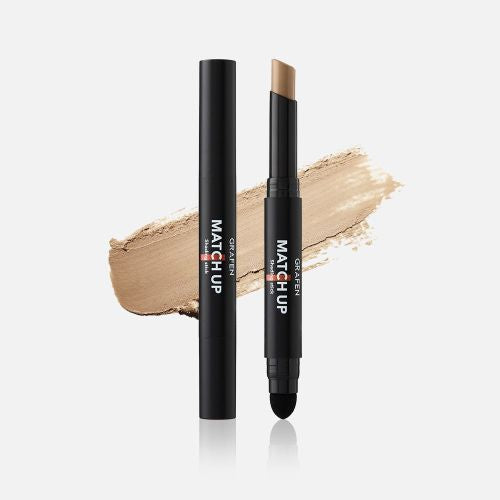
GRAFEN Match Up Shading Stick 1.8g #Neutral Brown
The collection lists a stick format in a named shade. It demonstrates how a color product may be grouped by format in a retail catalogue.
View product details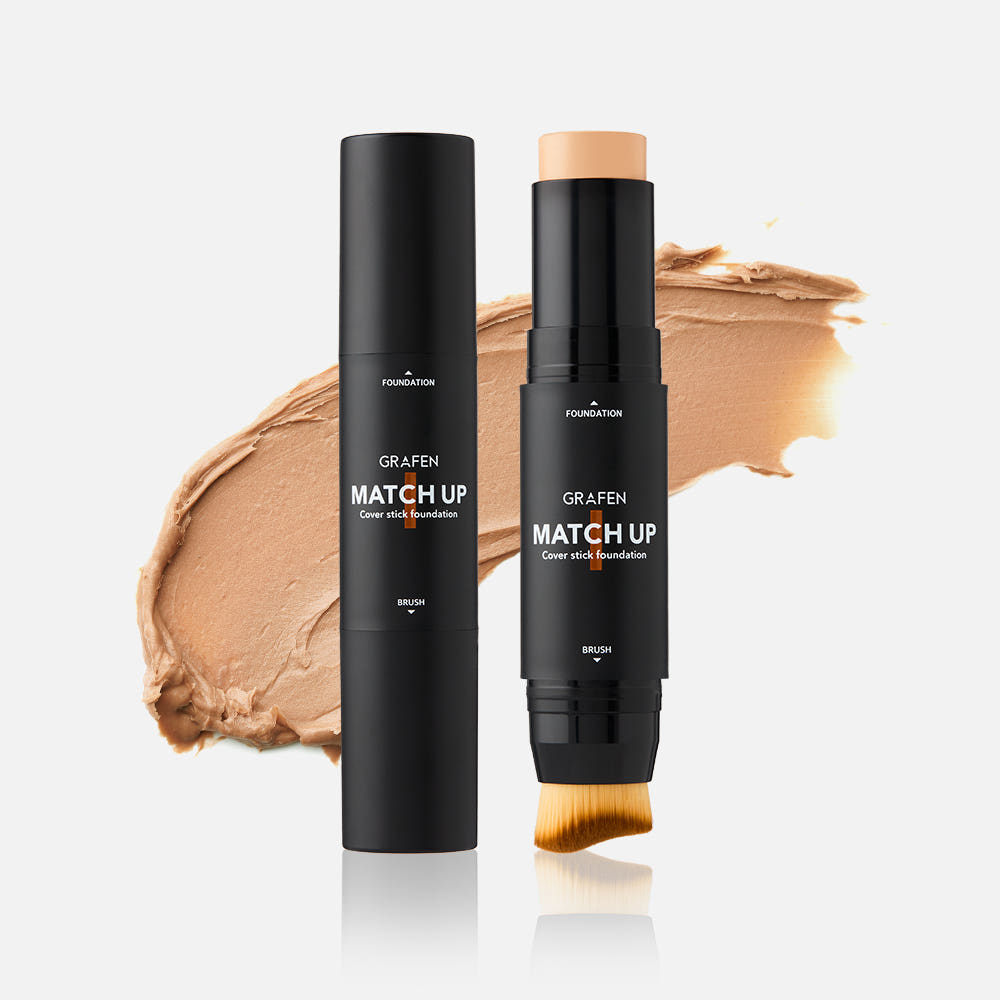
GRAFEN Match Up Cover Stick Foundation 12g #21 Light Beige
A stick-format complexion product listed as foundation. A product's category page does not itself establish regulatory status.
View product details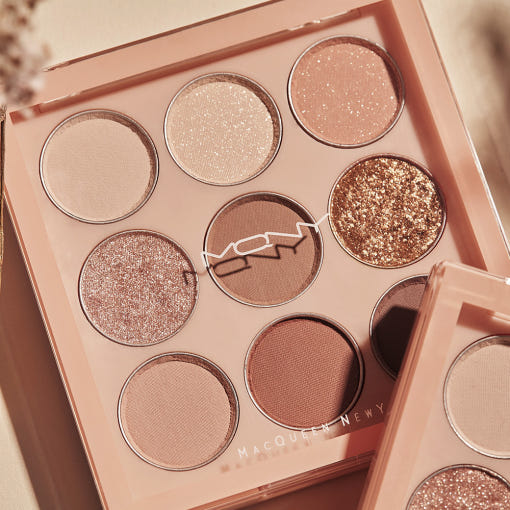
MACQUEEN New York 1001 Tone-On-Tone Shadow Palette Pro 9, 9g, Nude Mood
An eyeshadow palette listing. It is an example of a color cosmetic format, not a statement about any ingredient claim.
View product details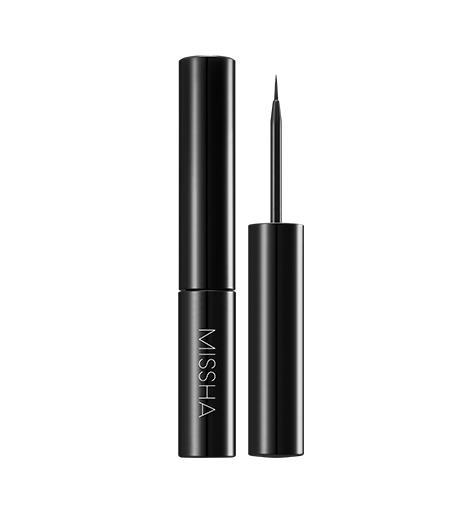
MISSHA Liquid Sharp Liner 6g #Black
A liquid eyeliner format listed by the retailer. The card illustrates ordinary makeup usage without making a safety or performance claim.
View product details
A'pieu Juicy Pang Meringue Blush 5.2g #BE02 Dried Plums
The public product listing describes a cheek-color product in a meringue format. See its PDP for exact directions and options.
View product details
rom&nd Zero Matte Lipstick 3g #01 Dusty Pink
A lipstick format from the public makeup hub, included as a straightforward example of a product intended to color the lips.
View product detailsWhat "cosmeceutical" means, and what it does not mean
Cosmeceutical is a marketing word, not a separate product category recognized by the FD&C Act. FDA says that a product can be a cosmetic, a drug, or both, but the term "cosmeceutical" has no legal meaning under that law. (FDA: "Cosmeceutical")
That means the word does not create an intermediate approval pathway. It does not show that a formula was tested to a particular standard, that FDA reviewed the product, or that it is more effective than an ordinary cosmetic. A product using the term should still be evaluated by its actual intended use, claims, ingredients, directions, and the evidence available for the claim.
The same caution applies to phrases such as "professional," "clinical," "dermatologist-inspired," or "science-based." Those words may describe how a seller positions a product, but they do not by themselves establish FDA approval or prove a specific outcome. Read the actual claim. If it promises to treat a disease or alter body structure or function, the drug definition may be relevant regardless of marketing style.
FDA regulation is not the same as FDA preapproval
FDA does not generally pre-approve cosmetic products or cosmetic ingredients before they are marketed. Color additives are an important exception: their use must be permitted for the intended application, and some color additives also require batch certification. FDA's safety page says that companies and individuals who market cosmetics have legal responsibility for ensuring that products are safe and properly labeled. (FDA: Cosmetics & U.S. Law)
"Not pre-approved" does not mean "unregulated." Cosmetics must comply with applicable laws governing safety, ingredients, labeling, and adulteration or misbranding. MoCRA expanded FDA's authority and introduced requirements for adverse-event reporting, facility registration, product listing, and safety substantiation. Under the current FDA description, certain facilities must register, and a responsible person must list each marketed cosmetic product with ingredients and update listings annually. Small businesses and some products have exemptions. (FDA: Registration & Listing)
Listing a product or registering a facility is not an FDA approval or a certificate of effectiveness. FDA says its registration and listing system is not an approval program or a promotional tool. The fact that a company has a listing number does not show that FDA reviewed the product for the promised benefit. Do not treat a number, badge, or phrase such as "FDA registered" as proof that an individual formula is FDA-approved.
The distinction matters in shopping copy. A brand may accurately state certain administrative facts, but those facts should not be stretched into claims about clinical results. Consumers should look for the ingredient list, directions, warnings, responsible company contact, and the exact intended purpose. If the product makes a drug claim, read the drug labeling applicable to that product category rather than relying on a cosmetic description.
Consumer education
A retail category is not a legal ruling.
Use product names as browsing clues, then check intended use and the full claims in context.
Color additives and product claims have their own rules
Color is a core part of many cosmetics, but color additives are subject to their own requirements. FDA requires color additives used in cosmetics to be approved for their intended use, and some must be batch-certified. The permitted use can depend on where and how the color additive is used. A color permitted for one type of cosmetic is not automatically permitted for every application. (FDA: Color Additives and Cosmetics)
That rule is one reason broad statements about FDA approval can mislead. It is accurate to say that most cosmetic products do not go through general premarket approval, while some color additives are subject to approval or certification rules. It is not accurate to collapse those facts into "FDA approves cosmetics" or "FDA never approves anything used in cosmetics."
Claims also affect the product's regulatory purpose. "Adds a tint" describes visible appearance. "Prevents sunburn," "treats acne," or "stops dandruff" can signal drug uses. The legal result is not based solely on whether the claim sounds strong, but the exact purpose and context matter. FDA's own guide gives examples of claims that can move a product into the drug category.
For consumers, a colorful ingredient story or an impressive-sounding claim is not a substitute for the label. The claim, directions, warnings, and ingredient information should be considered together. Color in a product image also cannot confirm the exact ingredient, permitted use, or batch certification. Check product-specific information for those details.

Skin education · image 08
Color has specific rules
Color additives have permitted uses, and some require batch certification.
How to read a product page without assuming too much
Start with the product's primary stated purpose. Is the page describing cleansing, color, fragrance, moisture, or another appearance-related use? Then scan the rest of the description for treatment, prevention, or body-function claims. Product titles, package wording, ads, and the detailed description can all contribute to the intended-use context.
Next, look at the full product label and directions. A retailer summary can omit details that matter for application, warnings, or intended use. FDA's cosmetic labeling guidance covers product identity, ingredient declaration, net quantity, business information, and required warning language where applicable. If an item has an OTC drug purpose, it can have drug labeling requirements as well, including Drug Facts for applicable products. (FDA: Summary of Cosmetics Labeling Requirements; FDA: Is It a Cosmetic, a Drug, or Both?)
Third, separate regulatory status from quality or fit. A cosmetic classification does not guarantee that a product is suitable for your skin or free of allergens. A drug classification does not tell you whether you should use it. A product listing does not prove a claim. For a reaction or a health concern, stop using a product if appropriate and seek advice from a qualified clinician. Follow the package warnings and directions.
Fourth, remember that terms can change meaning by country. A product treated as a cosmetic in one jurisdiction may be treated as a drug in the United States. Sunscreen is a familiar example. Imported products sold in the U.S. must comply with the U.S. rules that apply to domestic products. (FDA: Cosmetics & U.S. Law)
This checklist helps you ask better questions. It does not let a shopper issue a definitive legal ruling about a product. When an exact classification matters, consult current FDA guidance or a qualified regulatory professional.
Skin education · image 09
A listing is not approval
Separate a product's administrative record from evidence about its claims or fit.
A short way to remember the definition
For everyday use, cosmetics is a broad word for products used to cleanse, groom, scent, color, beautify, or alter appearance. For the U.S. legal question, focus on three things: intended use, claims and context, and whether another category such as a drug also applies. The product's shape, retail aisle, or marketing nickname is not enough by itself.
Use these prompts when you encounter an unfamiliar product:
- What does the package say the product is for?
- Does it claim to cleanse, beautify, promote attractiveness, or alter appearance?
- Does it also claim to diagnose, treat, mitigate, cure, or prevent a disease, or affect body structure or function?
- Is it being called "soap" in ordinary language, or does it meet FDA's narrower definition?
- Is a seller using "FDA registered," "cosmeceutical," or "clinical" as if it proved approval or performance?
- Do the current label and directions answer the practical question you have?
These prompts keep separate questions separate. The product's intended use helps define its category. Its quality, safety for an individual, effectiveness, availability, and fit are different questions that need their own evidence.

Skin education · image 10
Keep the questions separate
Classification, product quality, individual suitability, and effectiveness need different evidence.
Frequently asked questions
Is makeup the same thing as cosmetics?
Makeup is one familiar group of cosmetics. In everyday shopping, cosmetics can also include skin moisturizers, fragrance, nail products, cleansing products, deodorants, and hair products. The legal category depends on intended use and claims, so a product sold as makeup can also have a drug purpose.
Are skin-care products cosmetics?
Some are. Products intended to cleanse, moisturize, or alter appearance may fit the cosmetic definition. Skin-care products that claim to treat or prevent disease, or otherwise affect body structure or function, may be drugs. A product can be both when it has more than one intended use.
Is sunscreen a cosmetic in the United States?
Sunscreen is regulated as an over-the-counter drug in the United States. A moisturizer or makeup product with sun-protection claims can have both a cosmetic and a drug purpose. Follow the product's labeled directions and do not infer adequate sun protection from a makeup format alone.
Does "FDA registered" mean that a cosmetic is FDA-approved?
No. FDA says facility registration and cosmetic product listing do not constitute an approval program, and listing numbers do not indicate FDA approval of a facility or product. Most cosmetic products and ingredients do not need general FDA premarket approval, with important rules applying to color additives.
Is "cosmeceutical" an official category?
No. FDA does not recognize "cosmeceutical" as a separate category under the FD&C Act. A product still needs to be evaluated as a cosmetic, a drug, or both based on its intended use.
Is every product labeled soap exempt from FDA cosmetic rules?
No. FDA's soap exception is narrow. It depends on the product's composition, cleansing action, and whether it is labeled and represented solely as soap. A product commonly called soap can instead be a cosmetic or a drug.
Does an ingredient list tell me whether a product is a cosmetic or drug?
The ingredient list can be relevant, but it is not the whole analysis. Intended use, label language, advertising, online claims, consumer perception, and other context may matter. An ingredient's presence does not by itself prove a product's efficacy or regulatory status.
Are cosmetics tested or approved before sale?
FDA generally does not pre-approve cosmetics or cosmetic ingredients before marketing, except for certain color-additive requirements. Companies have legal responsibilities for safety, labeling, and compliance. MoCRA also created specific registration, listing, adverse-event, and safety-substantiation requirements, with exemptions that apply in some cases.
Can a cosmetic claim to change how skin looks?
Yes. Altering appearance is part of the statutory cosmetic definition. A claim can move beyond appearance and into a drug purpose when it claims to treat or prevent disease or affect the body's structure or function. The full context of the claim matters.
Continue reading
- How to Choose a Korean Makeup Setting Spray by Format and Size
- Best Makeup for Skin: How to Choose a Format That Fits Your Face
- How to Choose Korean Skincare for Your Skin Type
- Korean Sunscreen That Feels Lightweight Under Makeup
- How to Choose Korean Cushion Makeup: Compact, Refill and Compatibility
- Why Sunscreen Pills Under Makeup and How to Reduce It
Explore product formats
- Makeup
- Cushion makeup
- Eye and brow makeup
- Lip makeup
- Facial cleansers
- Face moisturizers
- Sheet masks
- Sunscreen
Evidence and further reading
- FDA: Is It a Cosmetic, a Drug, or Both? (Or Is It Soap?)
- FDA: Cosmetics & U.S. Law
- FDA: Summary of Cosmetics Labeling Requirements
- FDA: Cosmetics Safety Q&A
- FDA: Registration & Listing of Cosmetic Product Facilities and Products
- FDA: Frequently Asked Questions on Soap
- FDA: "Cosmeceutical"
This article summarizes consumer-facing U.S. FDA guidance as of October 2026. It does not classify a particular product or replace legal or clinical advice. Retail product cards show examples of makeup formats, not regulatory determinations or recommendations.
0 comments