
What Is Acne-Prone Skin? Meaning, Patterns, and Scope
Skin concern basics
"Acne-prone skin" is a practical description for skin that tends to develop acne breakouts. It is not a diagnosis, a severity grade, or a promise that one product can prevent every blemish. The phrase can help someone describe a recurring pattern, but it cannot tell you what is causing a particular bump or which routine will suit you.
The quick answer
Acne-prone skin means a person notices a recurring tendency toward acne lesions such as blackheads, whiteheads, or inflamed pimples. The words describe a pattern, not a formal skin type with a universally agreed score. A person can be acne-prone and also feel dry, oily, sensitive, or some combination of those experiences. Acne itself is a medical skin condition; an acne-like bump can also come from another cause. When breakouts are painful, persistent, scarring, or uncertain, a dermatologist can assess what is happening.

What the phrase "acne-prone skin" means
In everyday skincare language, acne-prone usually means that breakouts recur often enough for someone to factor them into product choices or routine planning. It may refer to a history of blackheads, whiteheads, inflamed lesions, or a mixture. The phrase does not tell you how many lesions are present, whether they are mild or severe, where they occur, or whether the cause is acne vulgaris rather than an acne-like condition.
There is no single consumer test that can certify a person as acne-prone. A quiz, a product filter, or a label on a collection page may sort products for browsing, but that is not a medical assessment. A dermatologist considers what the spots look like, where they appear, how long they have been present, and whether other symptoms or treatments are involved. The American Academy of Dermatology notes that some conditions can resemble acne and need different care.
That distinction is useful even if the term feels familiar. Someone might say "my skin is acne-prone" because breakouts return after certain routine changes. Another person might use the same phrase for occasional blackheads. Both are describing lived observations, but the phrase alone does not make their skin patterns or care needs identical.
Is acne-prone skin a skin type or a condition?
It is best understood as a plain-language descriptor of tendency. "Oily," "dry," and "combination" are common descriptions of how skin looks or feels across areas and times. "Sensitive" is often used for skin that stings, burns, flushes, or reacts easily. "Acne" refers to a condition involving a recognizable range of lesions. These words can overlap in one person, but they do not mean the same thing.
| Term | What it describes | What it cannot establish by itself |
|---|---|---|
| Oily | Visible or felt surface oil in some or many areas. | Whether a person has acne, what caused it, or which treatment is appropriate. |
| Dry | A tendency toward tightness, roughness, flaking, or discomfort. | Whether breakouts are present or which lesion type is involved. |
| Sensitive | A pattern of reactivity or discomfort with exposures or products. | A specific diagnosis; reactivity can coexist with several skin patterns. |
| Acne-prone | A person's shorthand for recurring acne breakouts or a perceived tendency toward them. | A clinical severity grade, diagnosis, cause, or guaranteed product response. |
| Acne | A skin condition a clinician can identify by examining the breakout pattern. | One universal routine or one product that suits everyone. |
The useful everyday question is not "Which box am I forever?" but "What is my skin doing, where, and how consistently?" A face can feel oily through the forehead and nose while the cheeks feel dry or irritated. A person may have acne lesions and also experience sensitivity from a treatment. Treating those as separate observations is more informative than assuming a single label explains everything.

What happens in skin that develops acne?
Acne develops around the pilosebaceous unit: a hair follicle and its associated oil gland. When a follicle opening becomes blocked by a mixture of skin cells and sebum, a comedone can form. A closed comedone is commonly called a whitehead; an open comedone is called a blackhead. If inflammation develops, lesions may look like tender bumps or pustules. Deeper painful lesions require more careful assessment because they can scar.
That outline explains why "just wash better" is not an accurate definition of acne-prone skin. Acne is not caused by dirty skin. Mayo Clinic notes that scrubbing too hard or using harsh soaps can irritate skin and may worsen acne. Cleansing can remove surface residue, but it cannot change every factor involved in follicle blockage and inflammation.
Skin microorganisms are part of the broader biology of acne, but an oversimplified story in which one bacterium alone causes every breakout is misleading. Oil production, follicular cell turnover, inflammation, genetics, hormones, age, medications, and other influences can interact. A consumer label cannot determine which factor matters most for an individual. That is one reason treatment approaches are selected by lesion pattern and history rather than by a broad "acne-prone" tag alone.
Comedones are not the only acne presentation. Some people mainly notice non-inflamed clogged pores; others have more inflamed pimples; still others experience a mixture. A condition with pain, deep nodules, or scarring is different from an occasional superficial bump in both impact and the level of care it may need.

Patterns people may notice
Someone may notice recurring blackheads around the nose, small closed bumps on the forehead, inflamed spots on the chin, or a mix across the face. Acne can also appear on areas such as the chest, shoulders, or back. The location and lesion pattern help describe the concern, but neither a particular zone nor a product label confirms the cause on its own.
Open and closed comedones
Blackheads and whiteheads are both comedones. The opening of a blackhead is exposed to air, which changes the material at the surface; the dark color is not simply trapped dirt. A closed comedone has a covered opening and may look like a small skin-colored or pale bump. Picking, scraping, or squeezing can irritate skin and may increase the risk of marks or infection.
Inflamed lesions
Inflamed pimples may be tender or swollen and can appear red, pink, purple, brown, or darker than nearby skin depending on an individual's skin tone and the lesion. A pustule has visible fluid at the surface; a deeper lump may be painful without an obvious head. These are descriptions, not instructions to diagnose severity from a mirror. If lesions are deep, painful, spreading, or leaving scars, professional assessment is appropriate.
Acne-like bumps
Folliculitis, perioral dermatitis, and other conditions can be mistaken for acne. Itch, burning, a sudden change in pattern, or a rash that does not behave like familiar breakouts are reasons to avoid piling on acne actives and ask a clinician. The AAD specifically notes that some acne-like conditions need different care.

Can acne-prone skin also be dry or sensitive?
Yes. Breakouts and dryness are not mutually exclusive. A person can have oilier zones, dry patches, irritation from over-cleansing, or discomfort from a treatment while still developing acne. A person who uses a strong acne product may feel tight or flaky without becoming a different "skin type." The sensation deserves attention even when blemishes are the concern that prompted the routine.
Likewise, sensitivity is not proof that someone cannot have acne. A product may sting because the skin is irritated, the barrier is uncomfortable, or the formula is not tolerated. That reaction does not automatically reveal an allergy or identify the cause of acne. Stop or reduce exposure according to the product label and seek clinical advice when symptoms are severe or persistent.
People often search for a "best moisturizer for acne-prone skin" as if the label itself predicts the ideal texture. It does not. The AAD's moisturizer guidance notes that a gel can be a lighter option for some people with oily skin, while the right choice depends on the person and how the product feels. If moisturizer is helpful, compare the complete formula, texture, directions, and your own response. A label such as "oil-free" or "non-comedogenic" is a clue to consider, not a personal guarantee.
Hair products, occlusive clothing, friction, heat, sweat, and repeated rubbing may matter for some people in some locations. They are not a complete explanation for every breakout. Changing many variables at once makes it harder to see which, if any, is relevant. A small, calm observation log is more useful than blaming one ingredient from an online list.

Where the pattern can appear
Many people use the phrase for facial breakouts, but acne may also affect the chest, upper back, shoulders, or other areas with follicles and oil glands. A person might have one pattern on the face and a different one on the trunk. The areas affected, the type of lesion, discomfort, and whether marks or scars remain are useful details to share with a clinician.
Location alone cannot tell you whether a face wash or cosmetic formula will solve the problem. Body acne can have different practical factors, including clothing, sports equipment, sweat, friction, and the difficulty of reaching the area. These details can guide a discussion; they should not be treated as proof that a particular habit caused the condition.
Who can have acne-prone skin?
Acne can occur in adolescence and adulthood. Hormonal changes can influence oil-gland activity, but age alone does not explain every case. Family history and individual biology also matter. Some medications or health circumstances can affect breakouts, so persistent or sudden changes are worth discussing with a clinician instead of trying to solve them with a longer cosmetic routine.
The phrase does not mean that someone is careless, unhygienic, or destined to have acne for life. It does not identify a personality, diet, or single behavior. Food discussions are especially easy to overstate: a broad food rule should not replace individualized medical advice, and no person should be shamed for acne or pressured into a restrictive diet based on a social post.
Acne can affect confidence and social comfort at any age. That impact is part of the concern, not a reason to dismiss it as vanity. If breakouts are upsetting or interfere with daily life, that is a valid reason to ask for help even when the visible lesion count seems modest.

What "for acne-prone skin" on a product label can and cannot mean
A product may be marketed for oily, blemish-prone, sensitive, or acne-prone skin. That wording is useful as a starting point for browsing, but it does not automatically make the product an acne medicine or prove that it will prevent breakouts. The whole formula, instructions, contact time, other products in the routine, and individual tolerance still matter.
"Non-comedogenic" is commonly used to communicate that a product is designed or tested with pore-clogging concerns in mind. It does not mean every person will tolerate the formula or that a breakout can never happen while using it. "Oil-free" describes one aspect of a formula, not a guarantee of comfort or compatibility. Conversely, seeing an oil in an ingredient list does not, by itself, establish that the finished product will cause acne. Ingredient lists are not simple one-word verdicts.
Marketing terms such as "purifying," "pore detox," or "clear skin" also do not tell you whether the product is a rinse-off cleanser, a leave-on cosmetic, or a regulated acne medication. Read the intended use and directions. In the United States, acne medicines and ordinary cosmetics can sit in different regulatory categories. A cosmetic product should not be treated as a substitute for a treatment plan because its name sounds medical.
The FDA explains that a product's intended use, including its claims, can determine whether it is a cosmetic, a drug, or both. A cleanser marketed to both cleanse and treat acne may fall into both categories; an ingredient headline alone does not define a product's regulatory role. FDA guidance on cosmetics, drugs, and both.
The practical filter is modest: choose one product for a clear routine job, introduce one change at a time, and watch comfort and the breakout pattern over a reasonable period. Do not assume a dramatic reaction is a necessary "purge." If a product causes burning, swelling, severe redness, or a worsening rash, stop using it and seek medical advice as appropriate.
A useful way to describe your own pattern
A short observation record can make a clinical conversation or a routine decision more precise. It is not a home diagnostic test. For a few weeks, note only details that help distinguish a repeating pattern from a guess:
- Describe what is visible. Are there blackheads, whiteheads, tender inflamed bumps, deeper lumps, or several kinds? If you are unsure, write "small bumps" instead of assigning a diagnosis.
- Record where it happens. Note the face zones or body areas. Include whether the same area repeatedly flares and whether clothing, hair products, or equipment contact that area.
- Mark timing without inventing a cause. Write down when a new product or medication began, whether breakouts change over time, and any patterns you have actually observed. A pattern is a clue, not proof.
- Track comfort as well as blemishes. Burning, itch, tightness, flaking, tenderness, or swelling can change the safest next step.
- Keep the record simple. A weekly photograph in similar lighting may be more informative than checking the mirror repeatedly. Avoid photos of intimate areas and store images privately.
Do not respond to every new spot by adding another acid, cleanser, patch, or mask. Too many simultaneous changes can irritate skin and make cause-and-effect hard to read. If you already use prescription treatment, ask the prescriber before adding actives or changing how you use it.

Basic care without treating the label as a prescription
A person who describes their skin as acne-prone does not automatically need an elaborate "acne routine." A simple baseline makes it easier to notice how the skin responds and leaves room for clinician-directed treatment when needed.
Cleanse gently
Use a cleanser that can remove ordinary residue and that you can use without persistent tightness or burning. The AAD and Mayo Clinic caution against harsh scrubbing; more friction does not make acne less likely. Cleanse after sweating when practical and follow the product directions. A rinse-off cleanser is not the same thing as a leave-on treatment.
Keep moisture in the decision
Moisturizer is not automatically forbidden when a person has breakouts. If skin feels dry or tight, a comfortable moisturizer may support routine tolerance. Compare texture and the full ingredient list, then test one change rather than assuming that the richest or lightest product must be right for everyone. If a prescribed treatment causes irritation, ask the prescriber how to adjust instead of abandoning or doubling the medicine on your own.
Use daytime protection you can repeat
Sun protection has its own job. Choose a labeled sunscreen with a finish and directions you can follow consistently, and use sun-protective clothing or shade as appropriate. Do not count a cosmetic card or an "acne" collection tag as proof that sun protection is adequate. Follow the product label, especially when using medications that can increase irritation or sensitivity.
Know when a product is not enough
Cosmetic cleansers, moisturizers, sunscreens, and patches can support daily care, but they are not all acne medications. A hydrocolloid patch is a local format for a single surface blemish; it does not define the skin type or treat every recurring breakout. Persistent acne, deep lesions, scarring, or a suspected medication-related change deserves professional advice.

Catalog examples by routine role
The cards below are examples from the current public ProtoClinical catalog, grouped by format and routine role. Their presence here does not diagnose a reader, rank products clinically, or claim that any one formula prevents or treats acne. Check the current product page for the full ingredient list, intended use, directions, and availability before deciding whether an item fits your routine.
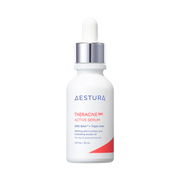
AESTURA Theracne 365 Active Serum
A serum-format catalog example. Review the complete label and consider how a leave-on step fits beside other active products.
View current product details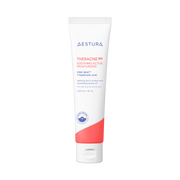
AESTURA THERACNE 365 Soothing Active Moisturizer
A moisturizer-format example. Check its directions and how the texture feels with the rest of your routine.
View current product details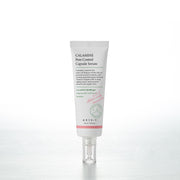
AXIS-Y CALAMINE Pore Control Capsule Serum
A second serum-format example, useful for comparing packaging, directions, and the full formula rather than choosing by one front-label word.
View current product details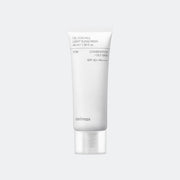
celimax Oil Control Light Sunscreen SPF50+ PA++++
A labeled sun-care format. Read the current label and use instructions; a routine category is not itself a protection claim.
View current product details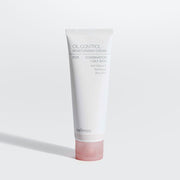
celimax Oil Control Moisturizing Cream
A cream-format example for readers comparing moisture steps and finish. "Oil control" in a product name does not promise an individual result.
View current product details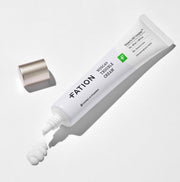
FATION Nosca9 Trouble Cream
A cream-format listing in the acne-care collection. Check the current directions and full formula before adding it to a routine.
View current product details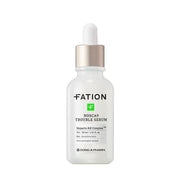
FATION Nosca9 Trouble Serum
A serum-format listing. Compare it with any other leave-on active so you do not duplicate steps without a clear reason.
View current product details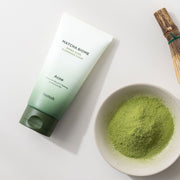
heimish Matcha Biome Amino Acne Cleansing Foam
A rinse-off cleanser example. Compare contact time, directions, and how your skin feels after rinsing.
View current product details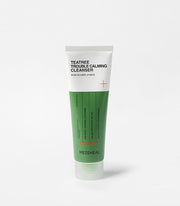
MEDIHEAL Teatree Trouble Calming Cleanser
Another cleanser-format example. The collection label is a browsing cue, not evidence that a cleanser alone treats recurring acne.
View current product details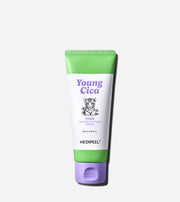
MEDIPEEL Young Cica PDRN Trouble Soothing Cream
A cream-format item from the public acne-care assortment. Review the exact package directions and ingredients for your intended use.
View current product detailsBrowse by the job you need
These public collections are shopping filters, not medical categories. Use them to compare product formats and then inspect individual listings; a collection name does not confirm that a product is suitable for every person who breaks out.

When to ask a dermatologist
Consider professional assessment when breakouts are persistent despite reasonable care, when spots are deep or painful, when scars or lasting marks are developing, or when the pattern is sudden or unusual for you. Also ask when a product causes significant burning, swelling, rash, or other concerning symptoms, or when acne affects mood, confidence, or daily life. You do not have to wait until the problem looks severe to ask for help.
A dermatologist can identify lesion types, look for conditions that resemble acne, and discuss evidence-based options that match the pattern. The AAD emphasizes that different types of acne can need different treatment. If you already have a clinician or prescription plan, use that as the reference point before adding or changing active products.
Describe the pattern. Do not let a label decide it for you.
Notice what repeats, protect comfort, and get help when the pattern needs a closer look.
Frequently asked questions
What does acne-prone skin mean?
It is everyday language for a tendency to develop recurring acne breakouts. It does not grade severity or confirm that every blemish is acne.
Is acne-prone skin a medical diagnosis?
No. It is a descriptive phrase. A clinician diagnoses acne by assessing the lesions and their pattern, and can distinguish acne from look-alike conditions.
Can dry skin also be acne-prone?
Yes. Dryness and breakouts can coexist, including when a routine irritates skin. Describe both rather than assuming one label cancels the other.
Does acne-prone mean oily skin?
No. Oily skin can be one observation, but it is not the same as acne and does not establish whether someone will break out.
Will acne-prone skin always have acne?
The phrase describes a perceived or observed tendency, not an inevitable lifelong outcome. Patterns can change with age, health, treatment, and other circumstances.
Does non-comedogenic guarantee a product will not cause breakouts?
No label can guarantee an individual response. It may help you filter options, but the complete formula, use, and personal tolerance still matter.
Are blackheads a type of acne?
Blackheads are open comedones, one acne lesion type. A dark dot can have another cause, so avoid scraping or diagnosing by color alone.
When should I get medical advice?
Ask a dermatologist if breakouts are persistent, painful, deep, scarring, unusual, or affecting your well-being, or if you are unsure that the bumps are acne.
Sources and further reading
- American Academy of Dermatology: Acne diagnosis and treatment - diagnosis, lesion patterns, look-alike conditions, treatment differences, and when to seek care.
- American Academy of Dermatology: Acne clinical guideline - professional guideline overview for acne care.
- Mayo Clinic: Acne symptoms and causes - causes, risk factors, and why harsh scrubbing is not a solution.
- DermNet: Comedonal acne - open and closed comedones and follicle blockage.
- American Academy of Dermatology: How to pick the right moisturizer - selecting a texture by skin feel and need.
- U.S. Food and Drug Administration: Is It a Cosmetic, a Drug, or Both? - intended use and product-claim distinctions, including acne-treatment claims.
This article is educational and does not diagnose a skin condition or replace care from a qualified clinician.
0 comments