
What Is Lip Balm? Definition, Purpose, and the Limits of Its Claims
Lip balm is a leave-on product made for the exposed surface of the lips. In everyday retail language, the term covers many sticks, tubes, pots, butters, glosses, and overnight products that are meant to make lips feel softer or more comfortable. In a narrower United States regulatory sense, FDA rules use "lip balm" as the traditional name for a lip-protectant drug product that temporarily prevents dryness and helps relieve chapping. The label on a particular product, its ingredients, and the claims made for it determine which meaning matters.
That distinction answers the basic question without turning every shiny lip product into medicine. A balm can soften the surface, leave a lubricating film, or reduce the feeling of dryness. It does not automatically repair every cause of persistent irritation, prevent sun damage, provide a measurable SPF, or make lips fuller in a lasting way. A tinted gloss, lip mask, lip essence, lipstick, and sunscreen lip protectant can all be sold for lips, but they do different jobs.
The simplest working definition is therefore practical: lip balm is a topical lip product whose main role is surface comfort and protection, while "lip balm" on the front of a package does not by itself describe a standard formula or prove a treatment result. The FDA's skin-protectant regulation defines a lip-protectant drug in terms of temporary dryness and chapping relief. The FDA's overview of personal-care products also explains that some products called lip balms are regulated as drugs, while other lip products are cosmetics.

What the word "balm" tells you, and what it leaves open
"Balm" is a familiar product word, not a guarantee that every product with the word has the same ingredients, thickness, or regulatory status. A classic stick may be built to glide over the lips and leave a waxy or oily film. A squeeze tube may hold a fluid or gel. A pot can carry a thicker butter-like material. A tinted formula may add pigment and shine. Two products called balm can feel very different because their complete formulas and formats are different.
Even the retail shelf does not draw a perfectly sharp line. One brand may call a product lip butter, another calls a similar-feeling product lip balm, and a third sells a nighttime product as a lip mask. These names help shoppers picture texture or use, but they are not a shared scientific scale. "Mask" does not necessarily mean a product is stronger than balm. "Butter" does not prove that it contains a specific butter. "Essence" does not mean that it must be layered underneath another product. The ingredient list, directions, and intended claims are more informative than the category word alone.
That is why "what is a lip balm?" has two useful answers. In everyday speech, it is a topical product for the lips, usually used to reduce the feeling of dryness and improve surface comfort. In the specific FDA definition for an over-the-counter lip-protectant drug, it is a product that temporarily prevents dryness and helps relieve chapping of the exposed lip surface. The second is a regulatory definition for a particular product category, not a claim that every cosmetic lip butter or glossy tint is an OTC drug.
For examples of how stores group these labels, ProtoClinical currently separates its Lip Care collection from Lip Makeup. Those are shopping categories, not clinical classifications. A product can contribute comfort while also adding color or shine, and a product placed in the makeup category may still contain emollients. The category page helps describe how a product is merchandised; it does not establish the legal status or prove a health benefit.

Why lips can feel dry even when you use moisturizer elsewhere
The visible red or pink part of the lip, often called the vermilion, is exposed to air, wind, food, saliva, temperature changes, and the repeated movement of speaking and eating. The outer lip surface is not identical to the skin on the cheek. Research measuring lip-surface properties describes the vermilion as having distinctive biophysical characteristics, and clinical literature links environmental exposure with dryness and chapping. These observations help explain why a face moisturizer may not leave the same comfortable feel on lips as a product made for the lip surface.
That does not mean everyone needs a special lip product. A small amount of a bland ointment may feel adequate for one person, while another prefers a stick that is easy to carry. The main practical difference is that a lip product is formulated and packaged for a small, mobile area where people expect easy reapplication and a tolerable finish. The surface can also be exposed to ingredients that touch the mouth, including flavor, fragrance, toothpaste residue, and foods. When a lip product stings or causes persistent discomfort, adding more layers may not solve the underlying trigger.
Dryness is a sensation and visible condition, not a single diagnosis. Lips may feel tight after dry air or frequent licking. Cracking can also be associated with irritation, an allergic reaction, sun exposure, infection, medication effects, or other conditions. A balm can support comfort while it is on the surface, but it does not tell you why a person's lips are dry. It cannot distinguish ordinary temporary dryness from cheilitis or another condition.
The American Academy of Dermatology notes that weather, sun exposure, and habitual lip licking can contribute to chapped lips. Saliva may briefly wet the surface, but repeated licking can make the cycle worse as the saliva dries. A product that reduces rubbing or helps a person stop licking may feel useful, but that benefit is a matter of comfort and behavior, not proof that the product has corrected every cause.

What a lip balm formula can do at the surface
Lip products often combine materials that contribute different sensory or surface functions. The formula may include emollient oils or butters that make a surface feel smoother, waxes or other film-formers that help a product stay in place, and ingredients that bind or hold water in the surface layer. The finished feel comes from the whole formula, not from one hero ingredient in the product name.
An emollient generally helps soften or smooth the feel of a dry surface. A film-forming or occlusive ingredient can leave a layer that slows water loss or shields the surface from direct rubbing. A humectant can bind water, but how it behaves depends on the rest of the formula and the environment. These ingredient groups overlap in real products, and labels rarely divide a balm into neat one-ingredient jobs. A product containing an oil is not automatically more nourishing, and a product containing a humectant is not automatically more hydrating in every condition.
Clinical research on lip-care formulations can measure endpoints such as lip hydration, scaling, or water loss. One formulation-specific study reported improved measured lip barrier function and hydration after a single application of a plant-lipid lip-care product. It involved 15 healthy female volunteers and measurements over six hours. Those results apply to the product and study design; they do not establish outcomes for repeated use or for other balms. Read the study abstract.
This is where words such as "barrier," "repair," and "hydrating" need careful reading. A product can leave a protective-feeling film and make the surface seem smoother while the film is present. That does not prove that it has rebuilt tissue, changed lip anatomy, or permanently repaired a disease process. A temporary benefit is still a useful benefit, but it should be described at the scale the evidence supports.
The FDA OTC monograph lists particular active ingredients and conditions for skin-protectant drug products. A cosmetic lip butter can have a different role and labeling basis. So a list of ingredients found in a balm should not be confused with a list of active ingredients legally marketed for an OTC skin-protectant claim. If a package makes a drug claim, read its Drug Facts panel and directions. If it is a cosmetic, assess the ingredient list and the manufacturer's cosmetic claims without assuming the FDA has pre-approved the product's effectiveness.

Balm, lip mask, essence, oil, gloss, tint, and lipstick
The retail terms overlap, but they point to different product priorities. Balm usually signals a leave-on lip-care step intended for comfort or a softening feel. A lip mask usually signals a richer or nighttime-positioned product, although "mask" is still a marketing term and does not prove that it works better than a simpler balm. A lip essence often suggests a lighter or more fluid care product. A lip oil or gloss places more emphasis on shine and slip. A tint or lipstick places more emphasis on color. A plumper is marketed around a fuller-looking effect, sometimes with a tingling sensation.
These categories can combine. A tinted balm can deliver color and some surface comfort. A glossy lip tint can feel moisturizing while leaving a color film. A sleeping mask can be described as both balm and mask. A glossy plumper can add shine and temporarily change how full the lips look. The names describe overlapping design goals, not a universal ranking from "care" to "makeup."
Think of the distinction as a question about the product's main job. If the central purpose is surface comfort, the product fits the broad everyday idea of balm. If color payoff or shine is the main purpose, lipstick, tint, or gloss may be a better description even if the formula feels emollient. If a package claims sun protection or treatment, the relevant regulatory claim matters more than the fact that the texture feels like balm.
The public storefront illustrates these overlaps. A clear melixir Vegan Lip Butter, an 11 g mixsoon Natural Bean Lip Mask Balm, and an 11 ml nutseline Keyring Lip Balm are all presented as lip-care products, but their names emphasize butter, a balm-mask hybrid, and portable packaging. These product names are examples of retail language, not evidence that one form is more effective than another.
The BRINGGREEN Bamboo Hyalu Lip Essence Double Pack shows why "essence" belongs near this conversation: it is marketed for lips as a lightweight leave-on liquid rather than a classic waxy stick. The store also lists color-focused makeup formats: the AMUSE Mini Bebe Tint Set is a set of lip-oil tints, and the AMUSE Mini Jel-Fit Tint Set is a set of glossy jelly tints. They illustrate the color-and-finish side of lip products, not balm examples. A conditioning feel or glossy texture does not change their tint format. Other linked cards show the same boundary: the rom&nd Zero Matte Lipstick and DEAR DAHLIA tinted lipstick are lipstick/finish examples; 3CE Blur Water Tint is a liquid tint; and VT Reedle Shot Lip Plumper For Beginner is a separate plumper format. These are category examples, not endorsements of treatment or lasting-volume claims. None becomes a plain balm just because it is applied to the lips.
If the distinction matters to you, browse the store's Lip Care and Lip Makeup pages as separate shelves. A Sleeping Masks hub may include nighttime textures, but the word "sleeping" does not tell you whether an individual product is intended for lips. Confirm the exact product title and label before treating a face sleeping mask as a lip product.
Examples across lip-product formats
These examples show how retail formats differ. The cards identify each product and its format without ranking it or making a performance claim.
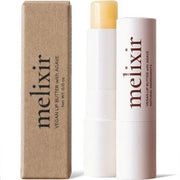
melixir Vegan Lip Butter 3.9g #01 Agave (Clear)
Lip butter, 3.9 g
View product details
mixsoon Natural Bean Lip Mask Balm 11g
Balm/mask, 11 g
View product details
nutseline Super Nut Collagen Keyring Lip Balm 11ml
Lip balm, 11 ml
View product details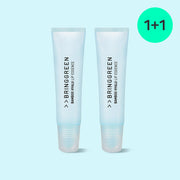
BRINGGREEN Bamboo Hyalu Lip Essence Double Pack (11g+11g)
Lip essence, two 11 g units
View product details
AMUSE Mini Bebe Tint Set 3 x 1.3g
Three mini tints, 1.3 g each
View product details
rom&nd Zero Matte Lipstick 3g #04 Before Sunset
Lipstick, 3 g, shade #04
View product details
VT Reedle Shot Lip Plumper For Beginner 4.3g
Lip plumper, 4.3 g
View product details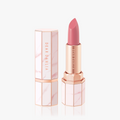
DEAR DAHLIA BLOOMING EDITION Lip Paradise Sheer Dew Tinted Lipstick 3.4g #VICTORIA
Tinted lipstick, 3.4 g
View product details
3CE Blur Water Tint 4.6g #BAKE BEIGE
Liquid lip tint, 4.6 g
View product details
AMUSE Mini Jel-Fit Tint Set, 4 x 1.3g
Four mini tints, 1.3 g each
View product details
Moisture, comfort, and "repair" are not interchangeable claims
Moisturizing is often used as a broad consumer word. In ordinary use it can refer to a product that makes dry lips feel softer, smoother, or less tight. "Hydration" may describe a measured water-content outcome in a study, a general marketing promise, or simply the intended sensory benefit. "Barrier repair" can imply more than a temporary film. The strength of the wording should match the evidence and the regulatory context.
A useful way to read a claim is to ask three questions. First, what is the outcome: softer feel, fewer visible flakes, less water loss, relief of chapping, or a lasting tissue change? Second, was that outcome measured on human lips with the product as sold, or inferred from an ingredient or from research on another body site? Third, how long did the result last and what was the comparator? Without these details, "deep hydration" or "repairs the barrier" does not tell you whether the claim means immediate comfort or a clinically important change.
This standard also applies to ingredients that sound medical or structural. A product name containing collagen does not prove that applying it builds the body's collagen or changes lip volume. A botanical name does not prove that the product is less irritating. A "cica" or soothing label does not diagnose or treat an inflammatory condition. The complete finished formula and the exact directions matter.
A single study can support a narrow conclusion. For example, a study of one finished formulation may show a measurable change in hydration under its testing conditions. To generalize that result, you would need evidence for the new formula, dose, usage, population, and outcome. If the formula changes or the product is a different category, the old result may not carry over. A balm is not a standardized active ingredient.
The FDA's current skin-protectant rules illustrate that regulatory claims are specific. Their definition of a lip-protectant drug concerns temporary prevention of dryness and relief of chapping. That does not make "lip balm" a promise of permanent healing. It describes a defined OTC product category and the scope of the claim that category is designed to support.
SPF lip balm is a different claim from ordinary lip balm
A clear balm, tinted balm, lip butter, gloss, or mask should not be assumed to protect from ultraviolet radiation unless its label identifies a sun-protection claim and gives the relevant directions. Shine is not SPF. A botanical or antioxidant ingredient is not SPF. A high price, a "barrier" claim, or a light-colored formula is not SPF.

SPF on the label changes the product category. Ordinary lip balm does not automatically provide sun protection.
In the United States, sunscreen products are regulated as drugs, and a lip product with sun-protection claims may also be a cosmetic if it is intended to affect appearance. The FDA explains that products can fall into both categories when they have two intended uses. For OTC sunscreens, FDA says its current framework draws on some requirements published in 1999 in 21 CFR Part 352 and on labeling and effectiveness requirements in 21 CFR 201.327. The eCFR marks Part 352 as stayed indefinitely, so that page should not be read by itself as the complete current rule. FDA continues to update its sunscreen monograph. Its June 2026 final order added bemotrizinol under specified conditions. On September 10, 2026, a later final order removed aminobenzoic acid (PABA) and trolamine salicylate as active ingredients from OTC Monograph M020; the FDA's current overview lists this order and the June order. These are sunscreen-drug ingredient updates, not evidence that an individual balm provides SPF. Do not infer a product's SPF from a retailer's category or an older version of a product: check its current label and directions.
For outdoor use, the American Academy of Dermatology advises choosing a lip product with SPF 30 or higher and reapplying it every two hours while outdoors. Follow the individual product's directions, including whether it is broad spectrum and when it should be reapplied. A standard balm may help lips feel protected from wind or friction, but it does not replace a labeled sun-protection product.
The store's Korean Sunscreen collection is a broad face and body sunscreen hub, not evidence that a particular lip item contains sunscreen. Compare lip-specific SPF claims on the individual package. The store's published Korean sunscreen and hyperpigmentation guide and overview of Korean sunscreen benefits address the adjacent sun-protection topic; neither should be read as a lip-specific product claim.

Sensation is not a measure of effectiveness
Menthol, mint, cinnamon, citrus flavors, camphor, and other sensory ingredients can make a product feel cooling, warm, or tingly. That sensation is not proof that the balm is repairing dry lips. The American Academy of Dermatology says that burning, stinging, or tingling can indicate irritation rather than an active ingredient "working." It advises stopping a product that causes discomfort and avoiding certain ingredients while lips are chapped.
This is not a claim that everyone reacts to the same ingredients. Contact irritation and allergic contact reactions vary by person and by exposure. The same ingredient can be tolerated by one user and a problem for another. For chapped lips, the American Academy of Dermatology names fragrance, menthol, camphor, eucalyptus, and certain flavorings among ingredients to avoid; that advice is not a diagnosis or a comprehensive list of allergic contact-cheilitis triggers. Read the AAD's chapped-lip guidance. A product label cannot establish whether it will be tolerated by a particular person.
If a lip product causes a persistent or recurring rash, swelling, burning, or worsening discomfort, pause it rather than applying more to test whether the feeling will pass. If symptoms continue, return repeatedly, or include cracking that does not settle, a dermatologist or other qualified clinician can assess possible causes. Do not use an online ingredient list to diagnose an allergy, and do not assume that "natural," "clean," "hypoallergenic," or "dermatologist tested" means that no one can react.
The AAD's guidance on chapped lips recommends avoiding products that irritate the lips and includes several ingredients that may be problematic for chapped lips. That is practical guidance for an irritated surface, not a universal blacklist for every healthy user. For someone with a known contact allergy, the relevant ingredient may be specific to that person. Product labels and professional evaluation are more useful than assuming every mint or fragrance ingredient will affect everyone the same way.

When a balm is useful, and when the question is bigger
A balm is most useful as a simple surface-care product when the goal is to reduce a dry, tight, rough, or chapped feeling and the formula is comfortable enough to keep using. It can make a small daily step easier by being portable, smooth to apply, and acceptable under or without makeup. A bedside product can also be convenient for someone who wants a thicker-feeling layer at night. The best fit is not a universal formula; it is a product whose finish and use pattern do not create a new problem.
An ordinary balm is a limited tool when the underlying cause remains. Repeated lip licking, wind exposure, strong sun, product irritation, dental materials, toothpaste, food triggers, infection, or a medical condition may require a different response. Buying a succession of fragranced or tingling balms can worsen an irritation loop if the sensation itself is the issue.
Seek clinical advice for persistent, recurrent, painful, bleeding, swollen, or unusually scaly lips, especially if the problem does not improve after a few weeks of stopping obvious irritants and using a comfortable bland product. The AAD notes that chapped lips that do not improve after two to three weeks may have another cause and deserve assessment. That recommendation is a practical threshold, not a guarantee that every problem will resolve within that period.
In particular, persistent roughness or scale should not automatically be treated as "just dry lips." Sun-related actinic cheilitis is one condition a clinician may need to distinguish from ordinary chapping. That is not something a balm can diagnose. A balm can support surface comfort while evaluation happens, but it should not delay care when symptoms are unusual or ongoing.
For broader dry-skin context, the published ProtoClinical article Dry vs. Dehydrated Skin explains that "dry" and "dehydrated" are not interchangeable labels across every skin-care context. Its subject is general skin care, so it does not diagnose lip symptoms. The store's Dryness hub is also a general skincare collection, not a lip-care treatment plan.
A short guide to reading the package
Start with the name and the intended use. Does the product call itself a balm, mask, essence, tint, gloss, lipstick, or plumper? Treat that as a clue about format or finish. Then check whether the product is intended to be left on the lips and read the package directions.

Read the claims and directions on the specific package. Product names alone do not define formula, use, or regulatory status.
Next, identify the claim. A cosmetic may claim to soften, condition, add shine, or improve appearance. A skin-protectant drug claim should be supported by the relevant OTC drug label and directions. A sunscreen claim should be verified on the package, including the stated SPF and the current instructions. If there is no SPF claim on the product, do not assume one from the word "protective."
Then read the ingredient list with the user's own experience in mind. Look for known personal triggers rather than choosing by one fashionable ingredient. If a product stings, burns, or makes the lips feel worse, stop using it. If the formula is comfortable, the finish and portability may matter more than a long list of impressive-sounding ingredients.
Finally, separate cosmetic appearance from treatment. A glossy film can make lips look smoother for a while. A tint can make color more visible. A plumper can create a temporary fuller-looking effect. A balm can make a dry surface feel more comfortable. None of those outcomes proves lasting structural change.
The published ProtoClinical guide How to Choose a Lip Balm: Texture, Tint, Portability and SPF covers the next step after the definition: choosing among formats and deciding what role the product should fill. The published K-Beauty lip-care routine for dry lips focuses on routine context. This article stays with meaning and scope, so readers can interpret product labels before deciding which format, if any, they want to use.
Common questions about lip balm
Is lip balm a moisturizer?
In everyday speech, many balms are called moisturizers because they make lips feel softer or more comfortable. That does not mean every lip balm works through the same mechanism or has the same measured effect. Some leave an oily or waxy film, some include humectant ingredients, and many combine different formula types. The final formula matters more than the broad word "moisturizer."
Does lip balm hydrate lips or seal them?
It can do either, or both, depending on the formulation. A product may add water-binding ingredients, soften the surface with emollients, or leave a film that slows moisture loss. A label alone does not reveal the magnitude or duration of those effects. A specific clinical study can support a claim about the product and method it tested; it does not automatically prove that all balms work alike.
Is petroleum jelly the same as lip balm?
Petroleum jelly is an ingredient and can also be used as a simple lip-surface product. A formulated lip balm may combine petroleum or other emollients with waxes, flavor, fragrance, pigments, and other ingredients. The broader retail term "lip balm" includes many types of formula, so the two phrases are not always interchangeable.
Is lip balm the same as lip gloss?
Not necessarily. Balm usually foregrounds surface comfort, while gloss foregrounds shine and a reflective finish. A glossy product may still feel emollient, and a balm can be shiny, but the category name does not prove that it has a sun-protection or therapeutic claim.
Does lip balm with collagen build lip volume?
A product name or ingredient list containing collagen does not establish lasting volume change. A surface film, gloss, or temporary plumping effect can change how lips look while the product is present. A lasting structural claim would need evidence appropriate to that claim and the finished formula.
Can a regular lip balm replace SPF lip protection?
No. Use a product that explicitly states a sun-protection claim on its current label and follow its directions. A plain balm, tint, gloss, or "barrier" product should not be treated as sunscreen without a relevant label.
Does "natural" or "vegan" mean a balm is safer?
Those terms describe sourcing, formulation, or marketing attributes, depending on the product. They do not prove that a formula is less irritating for every person. People can react to ingredients of natural or synthetic origin.

When should someone stop using a balm?
Stop using it if it repeatedly burns, stings, itches, swells, or makes the lips feel worse. Persistent symptoms should be assessed rather than covered with repeated layers of a product that may be contributing to them.
Evidence and editorial scope
This explainer uses the FDA's current definitions for OTC skin protectants and its overview of cosmetic and drug categories; FDA's account of the OTC sunscreen framework, including 21 CFR 201.327 and the stayed status of 21 CFR Part 352; the American Academy of Dermatology's chapped-lip guidance; and peer-reviewed research on lip-surface properties and lip-care formulations. FDA issued an order in June 2026 that amended the sunscreen monograph by adding bemotrizinol under specified conditions. Regulatory details can change, so the article directs readers to current product labeling rather than trying to reproduce every rule. The research does not establish that every balm, ingredient, or retail format produces the same result. Product examples describe public storefront titles, formats, and sizes only; they are not clinical endorsements or comparative tests.
The narrow answer is enough to guide the rest: lip balm is a broad everyday name for products used to soften or protect the lip surface, and in U.S. OTC rules it also has a specific lip-protectant meaning. The word alone does not tell you the formula, sun protection, legal status, or the cause of a person's symptoms. Read the package claim, consider whether the product feels comfortable, and seek professional assessment when a problem persists.
0 comments