
Beauty Fragrance: How to Choose Perfume, Hair Scent, and Fragranced Body Care
A format-selection guide for perfume and beauty routines
Fragrance in a beauty routine can come from several kinds of products: wearable perfume, hair mist, scented hand cream, body lotion, or a wash-off cleanser. They may all smell pleasant, but they do not do the same job. Choose by where you want scent, how the product is applied, and whether fragrance is its main purpose or a secondary part of everyday care.
This guide compares formats without treating a fragranced lotion as perfume, a hair serum as hair fragrance alone, or shower wash as an all-day scent. Use the decision steps to compare application area, routine, portability, contact time, directions, and personal tolerance. Public product examples link to real listings; check the live page and package for current details.

Start with the job, not the scent name
The phrase fragrance and beauty can describe a fragrance product used as a finishing touch or a personal-care product that happens to be scented. Make that distinction before comparing packaging. Solid perfume is intended as wearable fragrance. A hair mist is directed to hair. Hand cream and body lotion are skin-care formats with scent. Shower gel and soap are primarily cleansers that are rinsed away. Scent can be part of the appeal in each case, but the format sets boundaries on where the product belongs and how to use it.
Ask first: where do you want to notice scent? For a pulse point, compare a product labeled as perfume and follow its application directions. For hair, choose a product specifically described for hair and check guidance about amount, distance, scalp, face, eyes, and heat. If you want scent during a moisturizing step, look at hand or body care. If you want a scented shower, choose a rinse-off cleanser and treat the scent as part of washing rather than a promise of all-day fragrance.
Then ask what matters second. Portability may matter more than an elaborate scent profile. Someone who dislikes residue may prefer a different application method than a balm. Someone who already needs hand care may like a cream they can use at a sink. Someone avoiding fragrance may prefer an unscented or fragrance-free routine, even while beauty fragrance trends are popular. There is no universal best perfume beauty product because the answer depends on use, comfort, and product directions.

Beauty fragrance formats at a glance
These formats are not ranked. Compare products with the same intended use. A hair mist should be compared with other hair-directed products, not evaluated as if it were a fine fragrance. Perfumed soap should be compared with cleansers, not expected to work like a leave-on perfume.
| Format | Primary role | Where it is used | What to verify |
|---|---|---|---|
| Solid or liquid perfume | Wearable fragrance | Areas named on the label | Directions, ingredients, package, and comfort |
| Hair mist or perfume serum | Hair-directed fragrance or finish | Hair areas described by the maker | Method, scalp/eye cautions, and any styling claims |
| Perfumed hand cream | Hand care with scent | Hands, as directed | Texture, ingredients, hand-washing habits, and scent near the face |
| Perfumed body lotion | Body moisturizer with scented finish | Body skin, as directed | Area, amount, ingredients, and whether separate perfume is still wanted |
| Perfumed shower gel or soap | Rinse-off cleansing | Areas indicated on the label, then rinse | Wash comfort and whether fragrance-free is a better fit |
Names can blur categories. "Hair perfume serum" signals a hair product with fragrance and a serum-like format. It does not by itself tell you how the hair will feel or how long scent remains. "Perfume hand cream" signals hand care plus fragrance, but the phrase alone does not prove whether the cream feels rich, which ingredients it contains, or whether it suits your skin. Read the exact product page and package for specifics.

When a wearable perfume is the right format
Choose perfume when fragrance itself is the main purpose. A solid format may be convenient to carry and apply in a small area; a spray format may suit a different preference. These are practical differences, not promises about performance. Formulation and directions determine how a specific item should be used. Package type alone cannot guarantee a particular projection, number of hours, or reaction on your skin.
For a first comparison, avoid buying several formats at once. Start with one product whose directions match your intended application area. Check whether the container is a balm, roller, or spray; how it should be stored; and whether the maker names areas to avoid. If you sample on skin, use only the product and area allowed by its label. A blotter or sample strip can help compare scent impressions without applying several formulas to skin, but it cannot tell you whether the finished product will be tolerated by your skin.
Solid perfume is one wearable-fragrance format. The public ProtoClinical page for Huxley Solid Perfume Sunset Fog describes a gel-balm and small pulse-point application. Follow that product-specific direction rather than assuming every solid is applied identically. The Moroccan Gardener listing is another example to compare by actual package and instructions. Neither listing proves that one scent is universally better or longer lasting.
If portability matters, consider how the container closes and whether its storage guidance suits your bag or travel plans. If you share space with others, think about how much scent may be noticed in an office, classroom, public transport, or other close-contact setting. Even when used as directed, a smaller amount or a single application area may be more considerate than applying several scented products together.
Wearable-fragrance examples from the official catalog
These cards point to real public product listings. They are not ranked, tested comparisons, or a claim that either item suits everyone. Use them to inspect the exact page, current package information, and directions. No static price or inventory information is included because those details change.
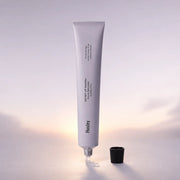
Huxley Solid Perfume, Sunset Fog
A solid wearable-fragrance example. The public listing describes a gel-balm and small pulse-point application. Check the live page for current directions and ingredients.
View product details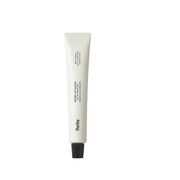
Huxley Solid Perfume, Moroccan Gardener
A second solid listing for comparing package and application format. The name alone does not verify scent notes or wear time.
View product details
Hair mist, hair perfume, and perfume serum are not interchangeable
Hair products are selected around the hair and the way the product is applied. A mist may be designed for a light spray; a serum uses a different dispense and application method. Names do not replace instructions. A hair perfume may combine a fragrance role with a finishing or care step, while a perfumed serum may not behave like a spray. Read the exact directions instead of choosing by the name alone.
Ask whether you want scent on hair specifically, a styling step, or a product with more than one stated role. If you mainly want fine fragrance, a hair product may be the wrong substitute because its application area and product purpose differ. If you want a hair-finish step, do not transfer body perfume to your scalp or hair unless its label permits that use. Keep products away from eyes and face, and stop if application causes discomfort.
The public Huxley hair-mist page directs use over mid-lengths and ends and away from scalp, face, and eyes. That is a direction for that listing, not a universal instruction for every hair product. Compare the mist with a hair perfume serum by the application method, package, ingredients, and stated role. Do not infer heat protection, repair, detangling, or color safety unless the current listing expressly supports the claim and gives relevant use directions.
Hair products also meet the rest of a routine: shampoo, conditioner, leave-ins, and styling formulas. Adding several scented items can make the combined smell stronger or harder to judge. Start with one new step. If hair feels coated or heavy, discontinue and review the directions. A noticeable smell does not prove a benefit to the hair shaft, and a serum texture does not prove that it repairs damage.
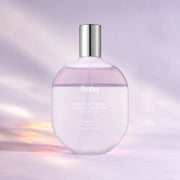
Huxley Perfume Hair Mist, Sunset Fog
The page directs application to mid-lengths and ends, away from scalp, face, and eyes. Do not treat fragrance mist as heat protection.
View product details
d'Alba Hair Perfume Serum
A hair-serum listing with perfume in its name. Compare its directions and finish with a mist; do not infer a repair result from the product title.
View product details
Hand cream and body lotion: fragrance attached to a care step
Choose scented hand or body care when you want the product's routine role and are comfortable with fragrance as part of that step. The scent may feel integrated into a product you already use. Compare texture, intended area, and directions alongside fragrance. Hand cream is for its stated hand-care use; body lotion should be used on the areas named by the label, not near eyes or on irritated skin unless specifically directed.
Think about where the scent will be noticed. Hands move close to the nose during the day, and frequent washing changes how often a cream is used. Body lotion may cover a broader area than a small perfume application. If you are sensitive to fragrance, leave-on use over a large area may not fit even if you like a scent in the container. You can use fragrance-free moisturizer for routine skin comfort and keep optional fragrance separate, if it suits your personal tolerance and its directions.
The catalog examples include Scentlier Perfume Hand Cream in a multi-type listing, EUNYUL Cloud Perfume Hand Cream in grapefruit, and two Scentlier perfume body lotions. They show how fragranced care is labeled in a public catalog, not how every person will experience the formula. The product title does not establish that a cream is rich, fast-absorbing, non-irritating, or suitable for a skin condition. Inspect the exact ingredients and directions.
When comparing two lotions, read each page instead of transferring claims across a brand or scent family. If an ordinary fragrance-free moisturizer already works for you, a scented lotion is not a required upgrade. It is an optional sensory choice. If dry skin is your main concern, prioritize a formula and routine you tolerate; fragrance can be a secondary preference.

Scentlier Perfume Hand Cream
A hand-care format with several listed types. Compare current options and directions on the public page.
View product details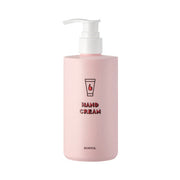
EUNYUL Cloud Perfume Hand Cream, Grapefruit
A second hand-cream listing for comparing package details and directions, not for inferring formula similarity.
View product details
Scentlier Perfume Body Lotion, Orange Blossom
A leave-on body-care example. Review the exact use area, current ingredients, and package directions.
View product details
Scentlier Perfume Body Lotion, English Daisy
A separate scented-lotion option. Check the exact page rather than assuming similar scent families have identical formulas.
View product details
Shower gel and soap are rinse-off formats, not perfume substitutes
A fragranced wash can make a shower more enjoyable, but it is not the same choice as wearable perfume or leave-on lotion. It is used for a limited cleansing step and then rinsed as directed. Do not expect it to act like an all-day fragrance. If you want a scent that remains part of your personal routine, compare a product intended to stay on skin or hair and follow its label. If cleansing comfort is your priority, compare formula and how your skin feels after washing, not only the scent in the bottle.
Soap and shower gel are also different product forms. The current page may say whether a bar or liquid cleanser is intended for the body, how to use or rinse it, and any cautions. A product called "perfume soap" is still soap; do not use it as a solid perfume. A scented shower gel remains a rinse-off cleanser. Keep each product within the purpose and areas listed on its current package.
Two public listings illustrate this category: SKIN U Inno:Scent Shower Gel and Bouquet Garni Deep Perfume Soap. The product page and package should guide actual use. The SKIN U page includes marketing text that appears to connect showering with vitamin C; this guide does not repeat or endorse that claim. A product name or promotional statement is not evidence that a cleanser changes skin tone or treats a skin condition. The question here is only whether a scented rinse-off format belongs in your shower routine.
For a closer look at choosing a cleanser, see ProtoClinical's body-wash selection guide. If you are organizing several body-care steps, the body-skincare routine guide covers that broader topic. Both pages address care formats; use them for those narrower decisions rather than expecting a cleanser guide to select a wearable perfume.
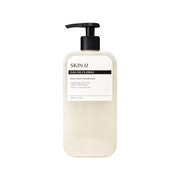
SKIN U Inno:Scent Shower Gel, Eau de Floral
A scented rinse-off cleansing example. Check directions and ingredients on the live page and package.
View product details
Bouquet Garni Deep Perfume Soap, Baby Powder
A scented soap listing. Compare it as a wash-off cleanser, not as direct perfume or leave-on moisturizer.
View product details
Choose by setting, contact area, and how often you will use it
Once the format is clear, context often makes the choice easier. A portable solid may suit someone who wants a compact product and can follow its storage guidance. A hair mist may fit when hair is the intended area and the application is comfortable. Hand cream can be convenient if it belongs to a step you already take. Lotion may cover more skin than a pulse-point product, so consider how much scent you want and how close it will be to other people. A wash-off product belongs in the shower.
Consider proximity to the face. Hand products move near your nose throughout the day. Hair products are applied near the face, even when their directions target lengths or ends. Body lotion may cover a broader area than a small perfume application. If a scent becomes distracting, if you have fragrance-related symptoms, or if people nearby are sensitive, reducing the amount or choosing a different format may be more useful than seeking stronger projection.
Routine friction matters too. A product that requires a special step may not be as useful as a format that fits naturally into something you already do. If you work with food, wear protective equipment, or share close spaces, check workplace rules and social expectations before using a noticeable scent. A fragrance choice can feel right in one setting and wrong in another. That is a context decision, not a judgment about anyone's taste.
Decide whether a product replaces a step or adds one. A scented moisturizer may replace your ordinary body lotion if you tolerate its formula, but it does not automatically replace perfume. A hair serum may replace another finishing product only if its stated role and directions fit. A shower gel replaces another cleanser, not a leave-on fragrance. Thinking in routine steps helps avoid duplicate products and unnecessary layering.

Sample fragrance without confusing a preference check with a skin test
Sampling should answer one question at a time. If you want to compare scent, start with the product description and any sample strip the retailer provides. Give yourself a quiet moment and avoid evaluating many fragrances at once. Your preferences can shift by setting, so an initial impression in a crowded store is only one clue, not a required verdict.
If you want to know how a product feels on skin, use a sample only as its own label directs and only if you have no reason to avoid that product. Do not apply a hair product to skin, a cleanser as leave-on perfume, or an unlabeled scent to a sensitive area. If you have a known fragrance allergy, prior reaction, eczema flare, or medical advice to avoid certain ingredients, do not run a home exposure experiment to test the product. A sample is not a diagnostic tool, and an uneventful brief trial cannot guarantee future tolerance.
Keep comparison notes simple: format, where you used it, what you noticed, and whether you would choose it again. Do not interpret one short trial as proof that an item is hypoallergenic or safe for everyone. FDA explains that "hypoallergenic" is not a standardized assurance that a cosmetic will not cause a reaction. Review the current ingredient information and personal history instead; see the FDA's explanation of hypoallergenic cosmetics.
For a gift, avoid making someone else's skin or scent preferences a guessing game. A fragrance-free care item, store credit, or returnable product can be more considerate than choosing a strong personal scent for them. Fragrance is experienced close to the body, and preferences vary widely.

Fragrance sensitivity, allergy, and label reading
Fragrance can cause allergic contact dermatitis in some people. The American Academy of Dermatology lists fragrance among common contact allergens found in perfume, skin care, shampoo, and other personal-care products, and describes symptoms such as itching, rash, swelling, burning, or excessively dry and tender skin. Contact dermatitis may appear hours or days after exposure, so an immediate "no problem" moment cannot rule out a later reaction. Read the AAD's contact dermatitis causes and symptoms guidance.
A patch-test study evaluated 4,975 patients with suspected contact dermatitis. The study reported positive reactions to fragrance mix in 6.6% of female and 5.4% of male patients in that selected clinic group. These referral-sample findings are not rates for the general population and do not show that any specific perfume or body-care product in this guide caused a reaction; see the original study.
FDA explains that a fragrance mixture may appear on a cosmetic ingredient declaration as "fragrance," while components may also be listed individually. A person checking a known trigger should read the actual label and ask for help interpreting ingredients when needed; the word "fragrance" alone does not reveal every constituent. See the FDA Cosmetics Labeling Guide and its Fragrances in Cosmetics overview.
Do not equate "natural" with non-allergenic. Fragrance materials from different sources can be unsuitable for an individual. "Unscented" and "fragrance-free" may not communicate the same thing for every product label; the AAD notes that fragrance ingredients can be used to mask other odors. If you have a diagnosed allergy or a recurring reaction, follow your clinician's avoidance guidance and ask which ingredient names matter for you.
Stop using a product that causes a reaction. If breathing becomes difficult or the lips, mouth, or throat suddenly swell, call 911 or your local emergency number immediately. MedlinePlus identifies anaphylaxis as life-threatening and advises emergency help for severe symptoms; read its anaphylaxis guidance. For a persistent or worsening rash, blistering, or a rash on the eyelids or around the eyes, contact a qualified clinician for advice. The AAD lists blistering and eyelid rash among possible contact-dermatitis symptoms; a shopping guide cannot diagnose the cause or replace medical care. See its symptoms guidance.

A useful shopping checklist for perfume and beauty fragrance
Before adding a product, write down the job it needs to do. This prevents a category mismatch and helps you compare pages without being pulled into every trend. Use the list for beauty fragrance searches and scented personal-care items:
- Format: Is it perfume, a hair product, hand or body care, or a rinse-off cleanser?
- Area: Does the package name the body or hair area where you plan to use it?
- Method: Is it a balm, spray, cream, lotion, serum, gel, or bar? Are you comfortable with that application?
- Routine role: Does it replace a step you use, or add another product?
- Ingredients: Can you read the full ingredient list and identify known personal triggers?
- Directions: Are there cautions about scalp, face, eyes, heat, rinse-off, storage, frequency, or amount?
- Setting: Will the scent fit your workplace, travel, shared home, and close-contact environments?
- Evidence: Do performance claims refer to this exact product, or are they broad marketing language?
- Value: Can you compare package size and intended frequency without relying on temporary price or stock?
- Exit plan: Can you stop or return the item if its smell or feel does not work for you?
A careful choice does not require a long routine. If a product solves no specific need and gives no sensory enjoyment, it may not be necessary. If you like fragrance but want simple skin care, separate one optional scent step from the functional parts of the routine. The right amount is the amount that feels comfortable for you and appropriate for its setting.
Layering perfume with fragranced body care
Layering may make a routine feel coordinated, but it can create more scent than you intend. Start with one scented product and decide whether it is enough. If adding another, choose a format with a clear role: moisturizer for body care, hair product for hair, or perfume for wearable fragrance. You do not need every step to share a scent. Similar words on different labels do not guarantee that the combined result will feel balanced.
Use each product as directed. Do not combine formulas in a container or apply one on top of another where the label advises against it. A practical sequence is to finish cleansing, apply ordinary leave-on care, allow it to settle as directed, then use optional fragrance only on its labeled areas. This keeps purposes clear; it does not promise that a scent will last longer.
People who want subtle scent can select one area instead of layering across the body. People who prefer no scent can keep the routine fragrance-free. If fragrance allergy is known, avoid the implicated ingredients and ask a dermatologist about evaluation rather than trying to cover a reaction with another scented product. Consider the comfort of coworkers and family who share the space.
One format, one clear purpose
Choose perfume for wearable fragrance, hair products for their stated hair use, care products for their routine step, and cleansers for rinse-off. Keep scent optional, readable, and comfortable.

Compare two listings without relying on promotional language
When two pages use similar words, compare concrete information: product type, intended area, application, rinse-off or leave-on status, ingredient list, directions, and package. Then separate verified facts from impressions. A title that says "repairing" does not prove that a serum repairs structural hair damage. A scent name does not verify particular notes. A phrase like "long-lasting" is not a guarantee of how long you will notice it.
For a fragrance-led product, check whether the page explains the format and how it should be applied. For a care-led product, first check its stated role, texture cues, and application area. In both cases, look for complete ingredient information and cautions. If a detail is missing, do not fill the gap from a similar item. Ask the seller or choose a page with enough information to make the decision.
Do not assume products from one brand share fragrance ingredients, formula, or directions. Variants and reformulations can change. Check the exact item you plan to buy, especially if you have a known allergy or avoid a specific ingredient. If the public page and package disagree, follow the current package directions and ask the retailer to clarify the listing.
Decision examples
"I want something portable for pulse points."
Compare wearable perfumes and choose a package that fits your use and storage needs. A solid format may be convenient if you are comfortable with balm application. Check directions, and do not assume a particular wear time. Closure and temperature guidance can matter as much as the name.
"I want my hair to have a scent after styling."
Look at products presented specifically for hair, such as a mist or perfume serum. Compare how each is applied and whether it adds a styling step. Follow directions that may identify lengths, ends, scalp, face, or eyes. Do not substitute body perfume without label permission.
"I want hand cream I will enjoy using."
Choose a hand-care format based on the product page, ingredient list, and how often you wash your hands. Fragrance is one preference among several. If scent near your nose becomes distracting, a fragrance-free hand cream may fit better.
"I want a scented shower."
Select a body wash or soap intended for that use. Evaluate it as a rinse-off cleanser; do not expect it to act like leave-on perfume. If your skin feels uncomfortable after washing, consider a cleanser that better fits your routine or ask a clinician if symptoms persist.
"I have reacted to perfume before."
Do not test a new scent by increasing exposure. Avoid known triggers, check ingredient information, and ask a qualified dermatologist or clinician if the cause is uncertain. A fragrance-free option is reasonable.
Common shopping mistakes
- Buying by name alone. "Perfume serum" still needs its hair directions and purpose checked.
- Expecting rinse-off products to act like fine fragrance. Cleansers are rinsed and have a different role and contact time.
- Assuming one format works everywhere. Hair mist, hand cream, body lotion, cleanser, and perfume can have different intended areas.
- Layering several scents before trying one. Multiple new products make it harder to identify what you like or tolerate.
- Using skin type to predict allergy. A broad skin-type label cannot identify a fragrance allergy.
- Assuming natural or hypoallergenic means reaction-proof. Neither word guarantees an individual will tolerate a product.
- Overlooking the variant. Similar product names do not prove identical ingredients or directions.
- Treating marketing copy as clinical evidence. Do not select fragrance products to treat a rash, acne, pigmentation, or another medical concern.
Frequently asked questions about perfume and beauty products
Is body lotion with fragrance the same as perfume?
No. Body lotion is a leave-on care format that may contain fragrance. Perfume is intended as wearable fragrance. The purpose, amount, application, and directions are not interchangeable.
Can I use perfume on my hair?
Use a product only on areas permitted by its own label. A hair mist or hair serum is intended for hair-directed use; body perfume may not have hair-specific instructions. Avoid scalp, eyes, and face unless a product expressly allows that area.
Does scented body wash leave fragrance all day?
A body wash is a rinse-off cleanser. Do not assume it will perform like leave-on fragrance. If you want a product to remain on hair or skin, choose one intended for that use and follow its directions.
Is natural perfume safer for sensitive skin?
"Natural" does not guarantee that an ingredient will suit every person. People can react to fragrance materials from different sources. If you have a diagnosed allergy or recurring reaction, follow clinician advice and check exact ingredients.
What does fragrance-free mean on a cosmetic label?
Read the full ingredient list and consider the specific product. FDA explains how fragrance ingredients may be declared, and AAD notes that some products may use fragrance to mask odors. If you avoid a known allergen, check its name and ask a clinician or manufacturer when a listing is unclear.
Can a hair perfume serum replace a regular hair serum?
Only if its stated use fits your goal. A product name does not prove it replaces a leave-in treatment, heat protectant, or repair product. Compare exact directions and supported claims.
How many beauty fragrance products should I layer?
There is no required number. Start with one product; add another only if you want its separate purpose and the combined scent remains comfortable. A fragrance-free routine is complete too.
Related ProtoClinical guides and official collection hubs
For narrower body-care questions, read the body wash selection guide, body skincare routine guide, skincare routine guide, skincare product selection guide, and dry-skin moisturizer guide. Those pages address their own topics; use this article when you are choosing fragrance format and routine role.
Browse official collections for body care, body washes and cleansers, body lotions and creams, hand and foot care, and hair and scalp care. Contents can change; check the exact product page for current formula, package, and directions.
Editorial scope: this is a format-selection guide, not a diagnosis or product-performance guarantee. Fragrance is optional. Follow the current product label and ask a qualified clinician about persistent, severe, or recurring reactions.
Evidence sources
- U.S. FDA: Fragrances in Cosmetics
- U.S. FDA: Cosmetics Labeling Guide
- U.S. FDA: Hypoallergenic Cosmetics
- American Academy of Dermatology: Contact Dermatitis Causes
- American Academy of Dermatology: Contact Dermatitis Symptoms
- Original fragrance-mix patch-test study (PubMed; clinical referral sample)
- MedlinePlus Medical Encyclopedia: Anaphylaxis
Written by ProtoClinical. Product details were checked on public ProtoClinical pages and should be verified again before purchase.
0 comments