
Best Retinol Body Lotion: How to Choose a Formula for Body Skin
A practical answer: A good retinol body lotion is one that clearly identifies retinol in its ingredient list, gives directions for the body area you plan to use, has a formula and package you can use consistently, and makes claims that match the evidence. "Best" does not automatically mean the strongest, most expensive, or most elaborate formula. It means a product that fits the intended cosmetic goal and your tolerance, with enough information to make a careful choice.
The ProtoClinical catalog contains a page titled APLB Retinol Vitamin C Vitamin E Body Lotion 300ml, and the page names retinol, vitamin C, vitamin E, and centella. Its use directions, however, say to spread it across the face and neck. The page does not show a complete INCI list or a retinol percentage in the reviewed text. Because the title and directions conflict, this guide does not treat it as a verified body-retinol recommendation. Ask the seller or manufacturer to clarify the intended area and current formula before considering it for body use.
That distinction matters. A store assortment can contain many body moisturizers and no listing that has enough consistent information to verify body use of retinol. The ten body moisturizers later in this guide are included for readers whose practical goal is everyday moisture, texture, or scent preference. They are not retinol products, do not perform the same ingredient role, and should not be read as substitutes with equivalent effects. The current catalog evidence does not support an honest ranking of ten retinol body lotions.
This guide focuses on how to check the label, what the retinol evidence can and cannot tell you about a body lotion, how to think about routine fit, and when an ordinary moisturizer is the more suitable choice. It is written for cosmetic decision-making. It does not diagnose a skin condition or replace instructions from a clinician who knows your health history.

What "best" should mean for a retinol body lotion
The word "best" is often used as if it meant "the product with the highest active percentage." That is a poor shortcut for body care. A product can have a high-looking number on the front and still leave shoppers unsure what that percentage describes. It can contain a retinoid but provide too little information about its amount, stability, directions, or tested use. It can also feel unpleasant over a large area, making regular use unrealistic. The label, the formula, the product's intended site, and the routine all matter together.
Start by naming the job you want the lotion to do. A retinol-containing body lotion is a leave-on cosmetic that includes a vitamin A ingredient. A shopper might be interested in the look or feel of roughness, visible texture, or early signs of photoaging on an area such as the arms or upper chest. That interest is not the same as diagnosing a condition or treating one. The word "retinol" does not turn a body lotion into a medicine for acne, keratosis pilaris, scars, stretch marks, eczema, psoriasis, or a pigment disorder.
Then decide whether retinol is actually necessary for the job. If your main goal is to relieve a dry, tight feeling after a shower, a straightforward moisturizer can be more relevant than an active ingredient. If you are curious about a retinoid but have never used one, a small-area, carefully directed trial is more sensible than applying a new active over most of the body. If you have recurring burning, rash, itching, scaling, or pain, a skin-care shopping guide is not the right tool for working out the cause.
A useful "best" framework has five parts:
- Identity: Is retinol itself on the current ingredient list, or does the name only mention "vitamin A," a branded blend, bakuchiol, or another derivative?
- Disclosure: Does the listing say what is present and give directions without inviting you to infer an amount that is not stated?
- Use: Is the product clearly intended for the body and for the area you have in mind?
- Tolerance: Is the full formula, texture, scent, and packaging compatible with your preferences and routine?
- Evidence: Are the advertised benefits phrased as cosmetic appearance claims, and is there product-specific evidence for the finished formula?
The catalog answer should also be transparent. A single live listing may be the best available match to a narrow query while still being only one candidate, not a comparative winner. A new formula or a label update can change that answer. Read the product page and physical package again when buying; a saved article cannot guarantee that stock, ingredients, or packaging will remain unchanged.
For a broader explanation of the ingredient itself, read What Is Retinol? What It Can Do, What It Cannot, and How to Read a Formula. For the difference between retinol and related vitamin A compounds, use What Is a Retinoid? Retinol, Retinal, Retinyl Esters and Prescription Boundaries.
What the evidence says-and what it does not say about your body
Retinol belongs to the wider retinoid family. Topical retinoids have been studied for changes in skin appearance, particularly photoaged skin. A review of retinoids in skin aging describes a body of clinical work across several retinoid types and formulations, with important differences in strength, tolerability, and evidence. A separate comparative study evaluated topical retinol and retinoic acid effects on skin. These sources help explain why retinoids are discussed in skin care; they do not establish that every over-the-counter lotion will produce the same result. Mukherjee et al., clinical efficacy and safety review; Kong et al., comparative study of retinol and retinoic acid.
Much of the readily discussed retinol literature concerns facial skin, specific concentrations, specific vehicles, selected participants, and planned study schedules. A lotion intended for arms, legs, or a broad area of the torso is not automatically comparable. Body products may differ in the amount of retinol, base formula, stability system, package, instructions, and amount applied. The area treated is larger; clothing, showers, friction, and the frequency of application can also differ. Those are reasons to keep claims narrow. They are not proof that body skin cannot respond, and they are not proof that a particular commercial product does respond.
The most important evidence question is not only "Has retinol ever been studied?" It is "Was this finished formula studied, on this body area, for this stated appearance goal, using a schedule like the one on the label?" If those details are not available, an article should not convert general retinoid research into a product-level promise. An ingredient's known biology is not a consumer trial of a particular bottle. An attractive front label is not evidence of a measured outcome.
A useful evidence ladder looks like this:
- Ingredient-family evidence: human studies of a retinoid ingredient or class in a defined formula and use setting. This can support a cautious explanation of why a category is of interest.
- Finished-product evidence: a human study of the exact commercial formula, in a relevant area, with outcomes matching the label claim. This is much more specific.
- Retailer description: the manufacturer or seller's description of what the formula is intended to do. It helps identify positioning and ingredients, but it is not independent clinical proof.
- Personal anecdote: one person's experience. It may explain what that individual noticed, but it cannot predict another user's result.
- Ingredient theory: a proposed mechanism. It may help explain a research question; by itself, it does not establish a visible result.
The APLB page reviewed for this guide has a body-lotion title and names retinol, vitamin C, vitamin E, and centella. Yet its numbered use directions instruct readers to spread the product across the face and neck, then use sunscreen in the morning. The same page displays a "Full INCI list" heading without the ingredient declaration in the reviewed text and does not disclose a retinol percentage. That is a meaningful catalog inconsistency, not a detail to smooth over. Until the seller or manufacturer confirms the product's intended site and supplies directions and a complete current ingredient list, the article cannot recommend it as a body lotion or compare its retinol strength.
This evidence boundary helps avoid both extremes. It would be inaccurate to say retinol is meaningless because one store lists only one body formula. It would be equally inaccurate to promise that the listed lotion will smooth, firm, lighten, or treat a particular concern for every buyer. The practical answer is to verify the ingredient and instructions, set a modest cosmetic goal, and evaluate fit over time without treating ordinary variation as a disease or failure.
Retinol, retinal, retinyl esters, and bakuchiol are not interchangeable labels
A package or product title may use "retinoid," "retinol," "retinal," "retinaldehyde," "retinyl palmitate," "vitamin A," or a branded complex. These words are related, but they do not identify the same compound or imply the same amount, stability, potency, or evidence. A product marketed with a "pro-retinol" phrase may use an ester or a blend rather than retinol itself. Check the current ingredient declaration instead of relying on a front-panel headline.
Retinol is one vitamin A compound. Retinal, also called retinaldehyde, is another. Retinyl esters such as retinyl palmitate are related forms that require additional conversion steps in skin. Prescription retinoids such as tretinoin are a separate clinical category, with a different regulatory and medical role. A body lotion labeled with an over-the-counter cosmetic ingredient should not be presented as equal to a prescription medicine.
Bakuchiol is not retinol. It is a different ingredient that is sometimes positioned as a "retinol alternative" in marketing. It may be an option for someone interested in a different formula, but an alternate ingredient name does not prove equivalent effects. The store catalog contains a body lotion titled "Vitamin A-mazing Bakuchiol Body Lotion" and tagged "retinol." Its product description identifies bakuchiol, not retinol. It is therefore excluded from the set of confirmed retinol body lotions in this guide. This illustrates why tag words, search labels, and product names must be checked against the actual formula.
Vitamin C, vitamin E, centella, ceramides, panthenol, peptides, and humectants may appear beside retinol in a product description. Their presence does not establish the amount of retinol or the final performance of the product. A blend can be designed for a particular feel or marketing story; the ingredient list is still a list, not a trial result. Do not infer that two products are equivalent because both say "vitamin A," or that the longer ingredient story is stronger.
If your goal is to understand the distinctions in more depth, the published Retinol Alternatives in Korean Skincare: What Can and Cannot Replace a Retinoid and Bakuchiol vs Retinol: Evidence, Irritation and Routine Fit cover related questions. A category page is useful for browsing, but it does not replace reading the exact product label.

How to read a retinol label without guessing
Read the ingredient declaration and the directions together. A name on the front can help locate a product, but the list on the package tells you which ingredients the manufacturer declares. Look for "retinol" itself if the product is being considered as a retinol lotion. If a list says retinal, retinyl palmitate, or another vitamin A-related name, record that exact name instead of renaming it. If the product page only mentions "vitamin A complex" but does not clearly identify its retinoid component, pause and check a current official product source.
Next, look for an amount. Some manufacturers disclose a retinol percentage; many cosmetic listings do not. If no percentage is stated, treat it as undisclosed. Do not calculate a percentage from the position of an ingredient in the list, assume that a branded complex percentage represents pure retinol, or compare one number to another unless both are defined on a like-for-like basis. Even a correctly disclosed percentage would not tell you everything about stability, vehicle, application, area, or tolerance.
Look for basic use information:
- Is it a leave-on product or a rinse-off product?
- Is it intended for the body, face, or both?
- Does the label provide a use schedule or cautions?
- Does it warn against use on compromised or irritated skin?
- Does it say what to do if irritation occurs?
- Does the package have a clear product name and ingredient list you can still read after opening?
- Is the product identity consistent across the page, images, package, and instructions?
These are practical checks, not a substitute for clinical trials. FDA explains that cosmetics marketed in the United States do not generally receive premarket approval as complete products, with color additives as an exception; cosmetics remain regulated under applicable law. FDA also distinguishes cosmetic intent from intended uses such as treating or preventing disease or changing body structure or function. This is why a cosmetic article should discuss appearance and use fit without promising disease treatment. FDA: Authority Over Cosmetics.
The ingredient list also cannot tell you whether the formula will feel light or rich on your skin, whether its scent suits you, or whether it will remain comfortable on a large area. Reviews can help identify practical sensory comments, but they do not establish clinical results. Product details can change. A responsible buyer checks the current official listing and the package received rather than treating a saved ingredient list or old review as permanent.
Be especially careful with phrases such as "retinol complex," "vitamin A blend," "renewal system," "clinical strength," or "retinol-like." Those may refer to a mixture, a branded system, a claim, or a particular ingredient. Unless the source defines the term, it does not establish a retinol percentage. A "retinol-like" ingredient is not retinol merely because the phrase appears beside it. A product can still be worth considering, but the decision should be made on facts the label actually states.
Product packaging matters for more than appearance. Retinoids can be sensitive to conditions such as light, air, or heat depending on formula and stabilizing system. A package that limits repeated exposure may be sensible, but the package alone does not prove stability. Do not open a container to inspect the formula or transfer it to another bottle unless the manufacturer instructs you to do so. Use the original directions, store it as directed, and replace it according to the product's use-by information.
For product-specific questions, use the official product page as a current retailer record, not as an independent medical source. The APLB listing names retinol, vitamin C, vitamin E, and centella, yet its visible directions say face and neck. Its full ingredient declaration and retinol percentage are not visible in the reviewed text. The right editorial description is therefore limited: the listing is unresolved for body use, and the seller should clarify its directions before it is considered a body product.

Choose the vehicle you can actually use
A body lotion has to work with daily life. It may be applied over arms, legs, or a torso after bathing, when the skin is damp, when someone is in a hurry, or when clothes will go on shortly afterward. A texture that is pleasant on the face may feel sticky across a larger area. A luxurious texture may be comfortable in winter and frustrating in heat. Neither preference is a measure of efficacy.
Think about how much skin you intend to cover. A small targeted area uses less product than a full limb or the chest and back. A pump can make dispensing easier, while a tube can be easier to control for a smaller area. An open jar exposes the product repeatedly to fingers and bathroom conditions. These differences affect convenience; they do not tell you the amount of retinol inside. A larger bottle is not a better value if you use more than the label directs or decide that the texture does not suit you.
Scent is a preference and a tolerance question. Some people enjoy fragranced body care and will apply it more reliably. Others avoid fragrance because they dislike scent or have a known fragrance sensitivity. "Unscented" and "fragrance-free" are not always used identically in consumer product descriptions. If fragrance matters to you, read the ingredient declaration and do not rely only on an "unscented" title. A fragrance-free claim does not guarantee that a formula cannot irritate; other ingredients can matter too.
A short sensory checklist can make the shopping choice more concrete:
- Does the product spread without requiring aggressive rubbing?
- Does it leave a film that bothers you under clothing?
- Is the scent acceptable when applied over the area you intend to cover?
- Is the dispenser practical for your hand and routine?
- Will the package make it easy to notice when it is nearly empty or past its use-by date?
- Does the product page show the actual package and a readable ingredient panel?
- Can you follow its directions without adding several new active products at the same time?
Do not try to answer sensory questions from marketing adjectives alone. "Fast absorbing," "light," "silky," and "non-sticky" describe intended feel. They are not standardized clinical measures, and they may not match every user's experience. A small, cautious test on intact skin is more informative than applying a new active across an entire body area on the first use.
If your main priority is a pleasant everyday moisturizer, start with the Body Lotions & Creams collection or the broader Body Care collection. Those commercial hubs contain many formats beyond retinol. Use the individual listing to confirm the full ingredients, stated size, instructions, and current availability. Do not assume every body lotion in a body-care collection contains retinol.

Where on the body are you thinking of using it?
"Body skin" is not a single uniform area. Arms, chest, shoulders, back, legs, underarms, skin folds, hands, and feet have different exposures, clothing contact, friction, hair, and sensitivity. A product that is intended for the body still has directions and cautions. Follow those instructions instead of assuming a formula can be used everywhere simply because it is sold as body care.
For an area that is frequently exposed to daylight-such as the backs of the hands, forearms, or upper chest-sun protection remains its own step. A retinol lotion is not sunscreen, even if it is used in a morning routine or contains other ingredients. If the product instructions specify a time of day or sun precaution, follow them. Use an appropriately labeled broad-spectrum sunscreen on exposed skin and follow its application and reapplication directions; clothing and shade are additional practical options. The FDA's sunscreen guidance explains how to use sunscreen as a separate sun-protection product.
Areas that experience frequent friction or shaving may be easier to irritate. Underarms, the bikini area, the groin, skin folds, and freshly shaved or waxed skin deserve extra caution. Do not apply a cosmetic retinol body lotion to mucous membranes, open skin, or a region excluded by the manufacturer's directions. If the product has no clear direction for a sensitive or high-friction area, do not assume that body labeling gives permission to use it there.
Dry, flaky, cracked, recently sunburned, or otherwise irritated skin is a reason to pause. Adding an active product over an already uncomfortable area can make the routine harder to evaluate. A basic moisturizer can be a more appropriate short-term choice while you work out what is causing the symptoms. If discomfort keeps returning or the skin is painful, swollen, bleeding, weeping, or spreading, seek medical advice rather than rotating through more cosmetics.

Hair removal and exfoliation also change the practical context. Shaving, waxing, scrubs, acid lotions, and rough washcloths can add friction or exfoliation. There is no need to create a complicated "active schedule" by stacking products because they appear in the same store. If a body product also contains exfoliating acids or other retinoids, count those as part of the same routine. A product marketed as a lotion is not necessarily a plain moisturizer.
The area and purpose should determine how much product you consider, what the label says, and whether a clinician's guidance matters. Do not use a cosmetic retinol product as a substitute for medical evaluation of a rash, persistent bumps, darkening, a new lesion, or a change that worries you. Body texture varies naturally. A new or changing skin concern is different from a routine preference.
A careful way to start, if the label supports use
This guide cannot prescribe a personalized schedule. Product directions differ, and an over-the-counter body lotion can combine retinol with other ingredients. Follow the current package first. If the label provides a frequency and a method, do not exceed them because a review, an influencer, or an article describes a different product.
If you choose to try a new retinol body lotion and its directions permit use on your intended area, keep the first use limited. Pick a small area of intact skin that is easy to observe. Avoid applying it to more than one new area at once. Do not introduce several new actives in the same week; otherwise, if you develop discomfort, it will be difficult to identify which change contributed.
Use enough to follow the label, but do not interpret "more" as "faster." A broad body area may tempt someone to use a generous amount; that also increases the area exposed. The right amount is whatever the product directions specify for that product. If directions are unclear, ask the brand or seller before improvising. Applying a facial retinol routine over the full body is not a sound shortcut.
Keep the rest of the routine simple while evaluating tolerance. A basic cleanser or bath routine, ordinary moisturizer where needed, and daytime sun protection for exposed areas are usually easier to assess than several products with overlapping actives. A separate moisturizer may help with comfort if its directions and the retinol product allow it, but a second active lotion is not automatically a helpful buffer. Read both ingredient lists and use directions.
Watch for dryness, peeling, stinging, persistent redness, itching, or swelling. These do not prove a specific diagnosis, but they are reasons to stop the new product and reassess. If a reaction is severe, involves swelling or blistering, or continues after discontinuation, seek medical care. Do not try to "push through" irritation on the theory that the product is purging or that discomfort proves effectiveness. An adverse reaction is not evidence that the product is working.
The Cleveland Clinic's medically reviewed retinol overview advises starting slowly and increasing use gradually for retinol generally; it also explains that prescription retinoids and over-the-counter retinol products differ. That general advice does not override the directions for a particular body lotion or establish a safe schedule for a large application area. Cleveland Clinic: Retinol. ProtoClinical's published guide How to Start Retinol in Korean Skincare Without Overdoing It can help with general routine thinking, but the specific product label still leads.
Patch testing is not a guarantee that a product can never irritate you. It is a way to avoid beginning on a large area and to learn whether an initial small application seems uncomfortable. A product may still irritate after repeated use, over a larger area, after shaving, or in combination with other actives. Sensitivity can also change with weather, illness, medications, or the condition of the skin. Keep expectations modest and avoid treating a one-day observation as a clinical result.

Retinoid irritation and the point to stop
Retinol can cause dryness or irritation in some people, especially when the product is new, used too often, applied over a large area, or combined with other potentially irritating steps. A lotion base may feel moisturizing, but that does not guarantee that a retinol product will feel gentle. "Hydrating," "calming," or "with centella" in a product description is not a promise that you will tolerate the retinoid.
An important distinction is between mild, brief sensory awareness and a reaction that keeps getting worse. A quick, mild feeling is still something to monitor. Burning, persistent stinging, swelling, rash, marked redness, blistering, or ongoing peeling are not milestones to chase. Stop using the product on the affected area and check its package instructions. If the reaction is severe or does not settle after stopping, contact a healthcare professional.
Do not use retinol to "fix" symptoms that are already present. A red, cracked, inflamed, infected, sunburned, or painful area is not a good place to test a cosmetic active. If the product was recommended by a clinician for a specific reason, ask that clinician how it fits into your care plan rather than relying on general consumer advice.
Think about all sources of exposure, not just a product's front label. A second lotion may contain retinol too. A toner pad, peel, acid body lotion, or acne product can add other actives. Friction from shaving or scrubbing adds another variable. It is easier to evaluate one new leave-on product than to start several at once. If you already use a prescription retinoid or treatment, do not add a broad-area cosmetic retinoid without checking with the prescriber or pharmacist.
A barrier-oriented moisturizer can be useful when the goal is moisture and comfort, but no single ingredient guarantees a repaired or protected barrier. Ceramides, panthenol, glycerin, emollients, and occlusive ingredients can appear in ordinary moisturizers; the complete formula matters. If your skin is uncomfortable, a simple moisturizer may be a better temporary choice than trying to counteract irritation with more actives.

The Barrier Repair collection and the Dryness collection are commercial browsing starting points for moisture-first products. They include different product types and ingredient stories; check the exact listing before use. A product's presence in a "barrier" or "dryness" collection does not establish that it treats dermatitis or another medical condition.
Sun exposure and daytime use
A retinol body lotion is not a sunscreen. It does not provide a labeled SPF just because it is described as an anti-aging, tone, or texture product. If a formula does not carry the required sunscreen labeling and drug facts information, it should not be used as a UV-protection step.
For body areas that receive daylight, plan for protection separately. Use a sunscreen labeled broad spectrum, apply it according to its directions, and reapply at the interval stated on the product. Clothing, hats, and shade can reduce direct exposure, depending on the area and activity. Do not treat a thin layer of body moisturizer or a retinol product as a substitute.
Some consumers prefer to use retinol products at night for routine convenience. That preference does not mean a cosmetic retinol body lotion can only be used at night unless its own directions say so. It also does not remove the need for daytime sun protection. Follow the exact package instruction if it gives a time of day, sun warning, or other caution. Ask the seller or clinician if the directions are ambiguous.

The APLB product listing reviewed here does not present the lotion as a sunscreen. This guide therefore makes no UV-protection claim for it. If a body product does make sunscreen claims, treat it as a separate regulated sun-care product and check its labeling rather than assuming that a retinoid, vitamin C, or vitamin E ingredient supplies UV protection.
Pregnancy, trying to conceive, and breastfeeding
If you are pregnant, trying to become pregnant, or breastfeeding, ask your healthcare professional before starting a topical retinoid product. Cleveland Clinic advises pregnant users not to use retinoids and recommends discussing new products with a healthcare provider; advice can differ according to product, route, and individual circumstances. This guide will not calculate exposure risk or tell someone that an accidental application caused harm. If you have used a retinoid and are concerned, contact your obstetric clinician or pharmacist for individualized advice.
For breastfeeding, avoid applying a topical retinoid where the infant could directly contact or ingest it, and ask a clinician about the specific product and use area. The product's own cautions and directions still apply. "Cosmetic" does not mean that an ingredient is automatically appropriate for every person at every time.
Retinol is not an essential body-care step. If you do not want the uncertainty of a new active, choose a regular moisturizer based on comfort, ingredients, texture, and directions. You can revisit a retinoid later after discussing it with a healthcare professional.

Separate an unresolved retinol listing from body moisturizers
The product page that names retinol and calls itself a body lotion has conflicting directions for face and neck. It belongs in an editorial clarification note, not in a product recommendation. The ten cards below are separate body moisturizers for readers whose goal is routine moisture, texture, or scent preference. They are not retinol products and are not a ranked list of retinol options.
That distinction must remain clear in the final page design. Do not place these products under a heading like "The ten best retinol body lotions." Do not give any card a "retinol pick," "retinol alternative," or "similar results" badge. Keep the APLB listing in a separate caution callout until the seller clarifies its intended use. The accompanying card copy should describe only useful, verifiable format or listing details and should not add a medical benefit.
Why include these other products at all? Because a search for retinol body lotion often reflects two possible needs: the shopper may specifically want retinol, or may simply want a body lotion for smoother-feeling, more comfortable skin. A non-retinoid moisturizer addresses the second need without implying it has the same retinoid activity. It may also give a reader a lower-complexity option on days when a retinoid is not suitable. That is a routine choice, not a claim that moisturizers produce the same result as retinol.
Use the cards as a starting set of choices, not a clinical ranking. The current product page, package, ingredients, and directions matter more than this summary. Product availability, product images, and formulas can change. The product details below omit price and stock because those change and are not useful as static editorial claims.

An unresolved listing: APLB Retinol Vitamin C Vitamin E Body Lotion
The public page title identifies a 300 ml body lotion and its product copy names retinol, vitamin C, vitamin E, and centella. Its step-by-step directions say to apply the product over the face and neck. The page also presents a "Full INCI list" heading without a visible ingredient declaration in the reviewed text, and it does not disclose a retinol amount. These statements do not resolve whether the product is intended for body or face use. Do not use the name alone as permission to apply it to the body; ask the seller or manufacturer to clarify the intended area, directions, and full current INCI. Review the live APLB listing.
Body moisturizers to compare when moisture is your goal
The cards below are format and routine comparisons only. Each links to the corresponding public product page and uses the store's official image URL. None is presented as a retinol product or as an equivalent to retinol. Read each current package and listing before purchase; when the page omits directions or a complete ingredient panel, ask the seller rather than guessing.
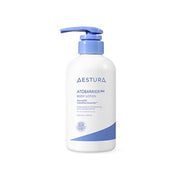
1. AESTURA ATOBARRIER 365 Body Lotion, 400 ml
The page gives body-use directions and names ceramides and panthenol in its product description. Compare this richer lotion format if your priority is post-shower body moisture; it is not listed as retinol.
View AESTURA Body Lotion
2. BENTON Ceramide Calming Ato Body Lotion, 300 ml
The listing identifies five ceramides and gives directions for use over the body. It is a moisture-format comparison, not a retinoid product or an independent efficacy result.
View BENTON Body Lotion
3. Dr.G Dermoisture Barrier.D Rich Derm Body Lotion, 400 ml
The public description names panthenol, and the directions describe smoothing it over the body after showering or as needed. Those details do not establish suitability for every sensitive-skin condition.
View Dr.G Dermoisture Body Lotion
4. CENTELLIAN24 Madeca Barrier Body Lotion, 500 ml
The listing names centella and directs application to slightly damp body skin, including arms and legs. Treat that as a product-format description, not a claim that it replaces retinol.
View CENTELLIAN24 Body Lotion
5. nutseline Super Nut Unscented Body Lotion, 200 ml
The page labels it unscented and gives body-use directions. Fragrance-free wording does not guarantee that every ingredient will suit every person; check the complete package list, particularly if you avoid specific ingredients.
View nutseline Body Lotion
6. Dr.G Moisture In Body 5.0 Body Cream, 250 ml
This is a richer cream rather than a lotion. The page lists glycerin, panthenol, shea butter, ceramide NP, and beta-glucan, and gives body-only directions for post-shower use.
View Dr.G Body Cream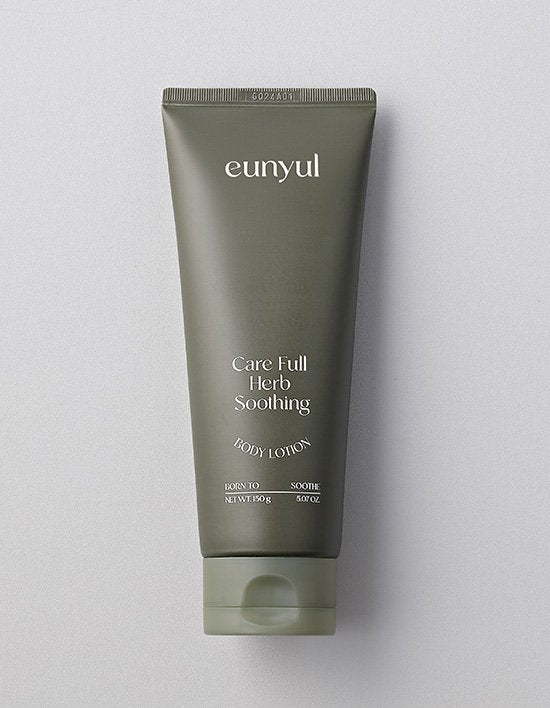
7. EUNYUL Carefull YACHO Herb Soothing Body Lotion, 150 ml
The page describes a richer body-lotion format and says to apply it to clean, dry skin. The card reports the store's format description only; it does not repeat broad botanical or treatment claims.
View EUNYUL Body Lotion
8. CHAHONG Snug Calming Body Lotion, 250 ml
The listing describes a light-absorbing lotion and directs application over the body, including dry areas such as elbows and knees. It is a daily-moisture comparison, not a retinol lotion.
View CHAHONG Body Lotion
9. Huxley Body Lotion, Blue Medina Tangerine, 300 ml
The page identifies a scented body-lotion format and gives directions for use over the body. Compare it for fragrance preference only; scent is subjective, and this is not a retinoid product.
View Huxley Body Lotion
10. whamisa Organic Seeds Body Lotion, 250 ml
The public product listing identifies a body lotion and describes its positioning around hydration. The reviewed page text does not populate the use directions or full ingredient details, so verify the package or ask the seller before relying on them.
View whamisa Body LotionThe list is deliberately divided by role rather than by a false claim of equivalent actives. If a future catalog review identifies more retinol body lotions, compare only those after verifying each product's current ingredient declaration and product page. Do not pad the retinol category with bakuchiol, a retinol face serum, or ordinary body lotions.
A quick comparison table for the shopping decision
| If your priority is. | Start by checking. | Keep in mind. |
|---|---|---|
| A product whose title names retinol and body lotion | A current full ingredient list, the intended area, and directions that agree | The APLB title says body lotion, while its directions say face and neck; clarify before body use |
| Basic moisture and a comfortable after-shower feel | Texture, scent, size, dispenser, and how the formula feels on a small area | Retinol may be unnecessary for a hydration-only goal |
| A product positioned around ceramides or panthenol | The exact formula and whether it includes other actives | A "barrier" label does not prove medical treatment or universal tolerance |
| A "vitamin A" or "retinol complex" headline | The exact ingredient name and what the percentage refers to | A blend percentage is not automatically the amount of retinol |
| A product for a sensitive or high-friction area | The package's directions and warnings; consider asking a clinician | Do not assume body labeling means use on folds or freshly shaved skin |
| A product for a diagnosed skin problem | Advice from a qualified healthcare professional | A cosmetic body lotion is not a substitute for diagnosis or treatment |
A good comparison begins with the person's goal, not the marketing shelf. If one shopper wants a retinoid, a plain lotion may not match that ingredient preference. If another shopper wants to moisturize dry arms, a retinol product may add complexity without addressing the main reason they are shopping. The two shoppers may choose different products and both make a sensible decision.
There is also no requirement to use one active on every area of the body. If you already have a facial retinol routine, you can choose a basic moisturizer for arms and legs. If you are interested in a cosmetic retinoid on one body area, you can still use a different moisturizer elsewhere. A routine can have separate roles instead of one "anti-aging" product for every square inch.
When comparing online listings, check that the handle, image, title, and selected variant refer to the same product. Read the directions and ingredients on the current listing, then confirm the physical package. If the listing is incomplete or appears to conflict with the label, ask the seller before use. Do not let a site tag or search filter make the ingredient decision for you.
Questions people ask before choosing a retinol body lotion
Is the APLB listing a verified retinol body lotion?
Not yet. Its title includes "Body Lotion" and its page names retinol, but the use steps say to spread it across the face and neck. The reviewed page text also lacks a visible full INCI list and a retinol percentage. Ask the seller or manufacturer to reconcile the intended area and provide the current directions and ingredient list before considering it for body use.
How often should I apply a retinol body lotion?
Use the product's current directions. If the label gives a schedule, do not exceed it. If it is unclear, contact the seller or manufacturer. General retinol advice to start slowly does not establish an exact body-lotion schedule, because formulas and target areas differ.
Can I use it on my face too?
Do not assume either direction. The public APLB page title says body lotion, while its displayed steps say face and neck. Until the seller clarifies the contradiction and supplies the complete current directions and ingredient list, this article does not recommend using it on the face or body.
Is retinol body lotion a treatment for keratosis pilaris or body acne?
This guide does not support that claim. Retinol is used in different ways across skincare, but a cosmetic body lotion is not automatically a treatment for keratosis pilaris, acne, or another diagnosed condition. Ask a clinician about persistent, painful, scarring, or widespread bumps.
Can I layer a retinol body lotion with an acid body lotion?
Check both full ingredient lists and directions. Two products can each be individually tolerated yet feel irritating when used together or across a large area. If you are new to either product, avoid introducing both at once. Do not use a product on broken or irritated skin, and stop if persistent irritation develops.
Does a retinol product make skin more sensitive to the sun?
Sun-sensitivity effects can vary by compound, formula, and use. Regardless, a retinol body lotion is not sun protection. Follow its own label and protect exposed skin with a separately labeled sunscreen, clothing, or shade. Do not rely on an active ingredient or moisturizer in place of sunscreen.
Can I judge how much retinol an unnamed formula contains?
No. The APLB page reviewed here does not disclose a retinol percentage, and the visible product-page text does not provide a complete ingredient declaration. Treat both details as unknown. Do not estimate an amount from the product name or from an unrelated blend claim.
Is bakuchiol the same as retinol?
No. Bakuchiol is a different ingredient that may be marketed as a retinol alternative. It should not be counted as a retinol product. An "alternative" claim also does not prove identical benefits, potency, or evidence.
Should I use retinol body lotion during pregnancy?
Ask your obstetric clinician or healthcare professional before starting any topical retinoid when pregnant or trying to become pregnant. Cleveland Clinic advises pregnant users not to use retinoids. If you are breastfeeding, discuss the exact product and area with your clinician and prevent infant contact with treated skin.
What if the lotion stings or my skin turns red?
Stop using it on that area and check the label. Persistent burning, swelling, rash, blistering, or ongoing peeling deserves medical advice, particularly if the reaction is severe or continues after stopping. Do not continue in order to "build tolerance" without product directions or clinician guidance.
Do I need retinol for dry skin?
No. If dryness or tightness is the main concern, a basic moisturizer may be the more direct choice. Compare the product format, ingredients, scent, and directions. A retinol ingredient is optional; it is not required for ordinary body moisturization.
Can I use a body retinol and a face retinol in the same routine?
The products cover different areas, but total exposure, ingredient overlap, irritation, and your personal circumstances still matter. Follow both labels. If one product is prescribed, or if you already have sensitive or irritated skin, ask the prescribing clinician before adding a broad-area cosmetic retinoid.
Does a body lotion with retinol need to be fragrance-free?
There is no universal answer for every shopper. If you know that fragrance causes a reaction or you have been advised to avoid it, check the full ingredient declaration and choose accordingly. "Unscented" and "fragrance-free" can describe different formulation choices; neither phrase promises that no other ingredient can irritate.
Related guides and product collections
For general ingredient background, read What Is Retinol? What It Can Do, What It Cannot, and How to Read a Formula, What Is a Retinoid? Retinol, Retinal, Retinyl Esters and Prescription Boundaries, and How to Start Retinol in Korean Skincare Without Overdoing It. For a comparison of other body-lotion choices, see How to Choose Body Lotion: Texture, Fragrance, and a Routine You Will Use.
Browse Body Care, Body Lotions & Creams, Retinol / Vitamin A, Barrier Repair, and Dryness when you want to compare current product listings. For exposed skin, browse Korean Sunscreen as a separate sun-care step. Check each product's page and package before buying or using.
Evidence and source notes
- FDA: Authority Over Cosmetics
- Cleveland Clinic: Retinol
- Mukherjee et al. Retinoids in the treatment of skin aging: an overview of clinical efficacy and safety
- Kong et al. A comparative study of the effects of retinol and retinoic acid on human skin
- FDA: Sunscreen-How to Help Protect Your Skin from the Sun
The evidence review above distinguishes ingredient research from product-specific proof. The current APLB store page has a title/directions mismatch: its title says body lotion, while the displayed steps say face and neck. Recheck the live page and physical package, and obtain seller clarification before any body-use recommendation. Product cards are current catalog references for moisture-format comparison, not endorsements or clinical outcomes.
0 comments