
PROTOCLINICAL � SKINCARE GUIDE
Dry Scalp and Hair Care: A Gentle Plan for Comfort and Softer Lengths
Separate scalp comfort from dry hair lengths, match cleansing to the scalp and hairstyle, and know when symptoms need clinical assessment.
By ProtoClinical

THE PRACTICAL STARTING POINT
If you are looking for a treatment for dry scalp and hair, start by treating the scalp and hair shaft as two different surfaces. Remove avoidable irritation, wash the scalp gently at a frequency that fits your oil level and hairstyle, and put conditioner on lengths that feel dry. If itching or scale is persistent, inflamed, painful, spreading, or linked with hair loss, do not assume that a richer oil or another cosmetic is the answer: dandruff, seborrheic dermatitis, psoriasis, eczema, contact reactions, and other conditions can look similar and may need clinician assessment.
That distinction matters because a shampoo can be appropriate for the scalp while drying the hair lengths, and a rich conditioner can soften the lengths without treating a scalp condition. The useful first question is therefore not "Which one product cures dry scalp and hair?" It is "Which surface feels dry, what changed, and what is the safest next step?"

Start by separating scalp discomfort from dry hair lengths
People often say "my scalp and hair are dry" as if that were one problem. It can describe at least three different experiences:
- Scalp tightness or fine flaking: the skin under the hair feels uncomfortable, and small loose flakes may appear. This can happen after a change in washing, weather, heat, or styling products, but those observations do not establish a diagnosis.
- Dry-feeling lengths: the hair feels rough, tangles more, looks dull, or breaks more easily. The hair fiber is not living skin; conditioner and gentler handling can improve feel and reduce friction, but they do not repair a scalp disorder.
- Visible scale with itch or inflammation: flakes, redness or discoloration, soreness, or itch may point beyond simple dryness. Dandruff and seborrheic dermatitis can have dry or greasy scale; the appearance alone is not a reliable self-diagnosis. The NHS lists eczema, contact dermatitis, psoriasis, and fungal infection among other possible explanations for scalp flaking. The NHS guide to dandruff and the American Academy of Dermatology overview of seborrheic dermatitis explain why a symptom label is not the same as a confirmed cause.
Use the surface that bothers you most to choose your next step. If your scalp feels tight but the lengths are smooth, begin with scalp habits and product exposure. If your scalp is comfortable but the ends feel rough, focus conditioner and leave-in care on the hair, not the scalp. If both are uncomfortable, simplify both sides at once rather than adding a stack of new products.
A practical first-week reset
For the next several wash cycles, keep the routine simple enough that you can tell what helps. You do not need a "detox," a scalp scrub, or several new oils to run this check.

- Write down recent changes. Note when tightness or flaking began, any new shampoo, scalp serum, hair dye, fragrance, dry shampoo, styling gel, or wash schedule, and whether symptoms are on the scalp only or also around the ears, eyebrows, hairline, or neck. Timing can help you and a clinician spot a possible trigger; it cannot prove one by itself.
- Pause optional products that sting or leave the scalp uncomfortable. Do not stop prescribed treatment without advice. If a nonprescription leave-on product repeatedly burns or causes a rash, rinse it off and stop using it. NHS guidance notes that hair products, including dyes, sprays, gels, and mousses, can be associated with contact dermatitis symptoms.
- Use lukewarm water and a gentle wash. Wet the scalp fully, use finger pads rather than nails, and rinse thoroughly. Scrubbing harder is not a way to remove dryness and can add friction to already uncomfortable skin.
- Put shampoo where cleansing is needed. Work it into the scalp rather than rubbing a large amount through every inch of the hair. The rinse carries cleanser along the lengths. This approach aligns with AAD guidance that applying shampoo to the scalp helps remove buildup and excess oil while avoiding unnecessary drying of the hair.
- Condition the parts that feel dry. Apply rinse-out conditioner to the hair lengths after shampooing. Fine or straight hair may need conditioner mainly at the ends; dry, curly, or coily hair may benefit from conditioning through more of the length. Keep a product off an irritated scalp unless its directions or a clinician say it belongs there.
- Dry without roughing up the hair. Blot or wrap rather than rubbing forcefully with a towel. Detangle gently, beginning near the ends. Use lower heat and fewer high-heat styling sessions while the hair feels brittle.
This is a short observation period, not a treatment for a diagnosed condition. If symptoms are strong, worsening, recurrent, or accompanied by redness, swelling, pain, sores, drainage, or hair loss, move to professional evaluation instead of extending a home experiment.

Choose a wash schedule from your scalp and hair, not a universal rule
There is no single correct number of wash days for every scalp. A scalp that becomes oily quickly may need more frequent shampooing. Coarse, curly, coily, or chemically processed lengths may feel better with fewer full-length washes and consistent conditioning. Hair texture, activity, climate, styling products, sweat, and scalp symptoms all affect the practical schedule.
The AAD advises washing based on how quickly hair becomes dirty or oily. Its general hair-care guidance notes that straight hair with an oily scalp may need daily shampooing, while dry, textured, curly, or thick hair may be washed when needed. The AAD also recommends putting shampoo on the scalp and conditioner on the hair; it gives different examples for fine or straight hair and for dry or curly hair. These are starting points, not a prescription for every person or every scalp condition. See AAD tips for healthy hair.
To adjust frequency without guessing, track two separate signals after each wash:
- Scalp signal: oil, sweat, product film, itch, tightness, or visible flakes before the next wash.
- Length signal: roughness, tangling, squeakiness, frizz, or breakage after shampooing and drying.
If your roots feel coated before your lengths are ready for another full wash, focus shampoo on the scalp and protect the ends with conditioner. If your lengths feel stripped but your scalp is oily, do not automatically cut washing so far that sweat and styling residue accumulate. Change one interval at a time and notice the result across a few cycles.
People who wear braids, locs, twists, wigs, extensions, or other protective styles may have a wash routine shaped by installation, drying time, access to the scalp, and stylist guidance. A schedule that is convenient for loose hair may not fit the style or the person's scalp. Ask a dermatologist or qualified stylist how to cleanse without pulling, leaving damp areas for too long, or placing a heavy leave-on product where it cannot be rinsed easily. The AAD specifically cautions that tight braids, cornrows, or weaves can damage hair; pain during styling is a reason to ask for a looser style. AAD everyday-care tips for Black hair offer texture-aware examples without requiring one routine for everyone.
What to look for in shampoo and conditioner
For a scalp that simply feels tight after washing, first examine the routine rather than searching for a miracle ingredient. Consider whether the shampoo is being used over the full length, whether you shampoo more often than your scalp needs, whether water is very hot, whether several exfoliating or "clarifying" products are being layered, or whether a new fragrance or styling product appeared shortly before the discomfort. A change in one factor at a time makes the outcome easier to interpret.


Shampoo: clean the scalp without turning the wash into a scrub
Shampoo is primarily a cleansing step. Choose a formula whose texture and cleansing feel are comfortable enough to use correctly, and follow its label. "Gentle," "hydrating," "sulfate-free," or "natural" can describe marketing or formula characteristics, but none of those words by itself proves that a product will suit an individual scalp. An ingredient list also cannot tell you everything about finished-formula performance or your personal tolerance.
Use the pads of your fingers to distribute shampoo over the scalp. Avoid scraping with nails, rough brushes, or abrasive scalp tools if the skin already feels sore or tight. Rinse until the scalp and hair no longer feel coated. If hair products accumulate, a periodic deeper cleanse may be useful for some people, but frequent clarifying or exfoliating washes can leave dry or chemically processed lengths feeling rough. A clarifying shampoo is not automatically a treatment for dandruff, eczema, psoriasis, or seborrheic dermatitis.
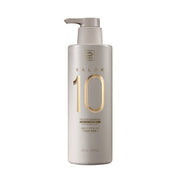
mise en scene Salon 10 Protein Shampoo for Extremely Damaged Hair 500ml
A shampoo example listed for damaged hair. The product name does not establish scalp suitability; compare its current directions and full formula with your needs.
View product detailsConditioner: improve the feel of the hair, not diagnose the scalp
Conditioner can improve slip, reduce tangling, and make the hair easier to handle. Apply it to the portions that feel dry: often the ends for fine or straight hair, and more of the length for dry, curly, or coily hair. Rinse-out conditioner is not a substitute for scalp treatment. If a product makes the scalp itch or feel coated, keep it away from the roots or discontinue it if irritation continues.
If the ends still feel rough after rinse-out conditioner, a small amount of leave-in conditioner on damp lengths may make detangling and styling easier. The AAD says some people, including those with dry, curly, color-treated, or heat-styled hair, may benefit from leave-in conditioner; it advises applying it to the hair rather than the scalp and avoiding excess that can weigh hair down. Read its dermatologist tips for leave-in conditioner.

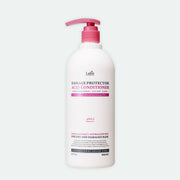
LADOR Damage Protector Acid Conditioner 900ml
A rinse-out conditioner listed for dry, damaged, or chemically treated lengths. Check the exact directions and size; conditioner does not diagnose scalp discomfort.
View product details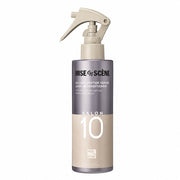
mise en scene Salon 10 Peptide Repair Leave In Conditioner 200ml
A leave-in length-care option. Apply only as its current directions specify; a heat-protection claim should be checked on the exact label.
View product details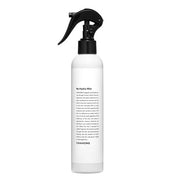
CHAHONG Re-hydra Mist 250ml
A hair-mist format to compare for length use. Check the product page for placement and ingredient directions; do not assume every mist is scalp-safe.
View product details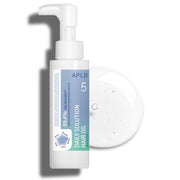
APLB Daily Solution Hair Oil 80ml
A hair-oil format to assess by feel on the lengths. It is not evidence of scalp-disease treatment; avoid scalp application unless the label directs it.
View product details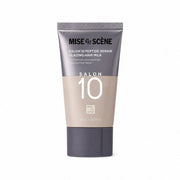
mise en scene Salon 10 Peptide Repair Glazing Hair Milk 150ml
A hair-milk leave-in format for the lengths. Use a small amount as directed and keep it off the scalp unless the product directions say otherwise.
View product detailsScalp serums, oils, and masks: match the format to the surface
Leave-on scalp products can be convenient when their intended use is clear and the applicator can reach the skin through the hair. A serum or tonic marketed for scalp care is not automatically a moisturizer or a medical treatment. Check the directions, avoid combining multiple new leave-ons at once, and stop a product that causes persistent burning, a rash, or worsening itch.
Hair oils and masks are often designed to make the lengths feel smoother or easier to style. That can be useful when the problem is dry-feeling hair. But an oil on the strands is not the same thing as treating dry or inflamed scalp skin. If an oily product leaves residue, makes the scalp uncomfortable, or is difficult to wash out from a protective style, it may not fit your routine. Essential oils deserve extra caution: "natural" does not mean non-irritating, and a fragrance or botanical can still cause a reaction in some people.
MATCH THE FORMAT TO THE SURFACE
Scalp care and length care answer different questions. Check placement before adding a leave-on step.
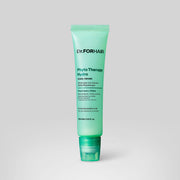
Dr.FORHAIR Phyto Therapy Hydro Scalp Serum 60ml
A leave-on scalp-serum format with a built-in roller. Review the full formula and directions; cosmetic listing claims do not diagnose or establish a treatment result.
View product details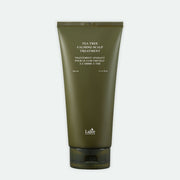
LADOR Tea Tree Calming Scalp Treatment 330ml
A scalp-and-hair treatment format. Check the product page for placement and rinse directions, then assess the complete ingredient list for your own tolerance.
View product details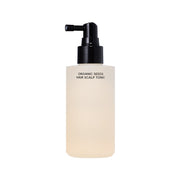
whamisa Organic Seeds Hair Scalp Tonic 165ml
A leave-on tonic example. Check the current ingredients and application directions, especially if fragrance or botanical extracts have irritated you before.
View product details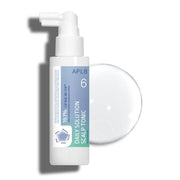
APLB Daily Solution Scalp Tonic 105ml
A scalp-tonic option to compare by application, ingredient list, and tolerance. Stop use if it causes persistent burning, rash, or worsening irritation.
View product detailsIf flakes are the main concern, do not assume that more oil or an exfoliating scalp scrub is the next step. Dandruff can be dry or greasy and may itch; medicated anti-dandruff shampoos use particular active ingredients and directions. NHS recommends seeking advice if symptoms persist after using an anti-dandruff shampoo for at least four weeks, become severe, or include a very itchy, red, swollen, or affected scalp elsewhere. Those instructions concern suspected dandruff, not every case of simple scalp tightness. Read NHS guidance on dandruff symptoms and care and the AAD's dandruff treatment tips.
When dandruff or another condition may be involved
Dryness and dandruff are easy to confuse because both can involve flakes. But dandruff is not simply a synonym for dry skin. The AAD describes dandruff as the mildest form of seborrheic dermatitis; the two can involve similar white-to-yellow scale, while seborrheic dermatitis can also cause inflammation and affect areas beyond the scalp. DermNet explains that diagnosis depends on clinical appearance and context, and that other conditions can resemble seborrheic dermatitis. DermNet's clinical overview lists eczema, contact dermatitis, psoriasis, and tinea among possible alternatives.
This is why a dry-scalp routine should not promise to clear every flake. Look for the pattern rather than one isolated symptom. A few loose flakes after a new shampoo are not enough to identify a condition. Recurring scale with strong itch, visible redness or discoloration, greasy yellow scale, spreading patches around the ears or eyebrows, soreness, crusting, or patchy hair loss deserves medical assessment. The NHS advises clinical review when dandruff does not improve after four weeks of anti-dandruff shampoo, is severe, or is accompanied by a very itchy, red, swollen scalp or flaky patches elsewhere. Seek earlier care if symptoms are painful, rapidly worsening, or affecting sleep or daily activities.

Do not treat a possible scalp rash by layering several acids, scrubs, essential oils, and fragranced products. That makes the cause harder to identify and can add irritation. If you suspect a reaction to a dye or styling product, tell the clinician what was used and when symptoms began. If hair is shedding or breaking in patches, include that detail; it changes the question from cosmetic dryness to a potentially different scalp or hair condition.
A simple way to build a routine that you can evaluate
Use this sequence as a practical template, then adjust the wash interval and conditioning area for your hair:
Wash day: Wet scalp and hair with lukewarm water. Apply shampoo to the scalp with finger pads, rinse fully, then condition the lengths. Detangle gently while the hair has slip, if that works for your texture. Blot instead of rubbing. Let hair air-dry when practical, or use a lower heat setting.
Between washes: Avoid scratching or scraping flaky skin. If the scalp is comfortable and only the hair lengths feel dry, apply a small amount of leave-in conditioner to the lengths as directed. Keep dry shampoo and styling products to the scalp schedule that suits you; they are not substitutes for cleansing when buildup, sweat, or discomfort is accumulating.
Product change: Introduce one nonprescription product at a time. Keep the rest of the routine stable long enough to notice a trend. Follow the label, especially for a rinse-off or active product. If a product promptly creates burning, swelling, a rash, or a marked increase in itch, rinse it off and stop using it. Get medical advice for a significant reaction.
Symptom log: Record the wash date, products used, style worn, scalp symptoms, and length feel. A short log gives a clinician more useful context than a long list of products without timing. It also helps you see whether the scalp feels worse after a particular wash or whether the hair shaft is the part that needs more conditioning.
Routine changes should be reversible. If a new serum, oil, scrub, or shampoo does not help, do not add another product simply to keep escalating. Return to the simplest comfortable routine and ask for guidance if symptoms continue.

A symptom-to-action guide for choosing the next step
Use the pattern to decide what to check next, not to diagnose yourself. Scalp skin and the hair shaft can react to the same wash day in different ways, so write down each separately.
- The scalp feels tight right after shampooing, but there is no persistent rash or heavy scale: review water temperature, rubbing, how much shampoo reaches the lengths, and whether a new product appeared shortly before the change. Try one adjustment at a time. If the scalp remains uncomfortable or symptoms return, ask a clinician rather than assuming that an oil will fix the cause.
- The scalp is comfortable, but the ends tangle, feel rough, or look dull: focus on conditioner placement, gentle detangling, and reducing unnecessary friction or high heat. A rinse-out conditioner or a leave-in product made for the hair type may make the lengths easier to manage; neither one needs to touch the scalp to do that job.
- Flakes keep returning with itch, soreness, or visible irritation: do not infer "dry skin" from flakes alone. Dandruff and several inflammatory or infectious conditions can look similar. If using an anti-dandruff product, follow its label and local professional advice. Seek medical review for severe symptoms, spreading patches, swelling, pain, or symptoms that do not improve after the recommended course.
- There are smooth bald patches, a sudden increase in shedding, scalp sores, drainage, or pain: treat that as a reason to get medical assessment. More conditioner may improve hair feel but cannot explain a change in hair density or diagnose an inflamed scalp.
Two examples show why separating the signals helps. A person with an oily scalp and dry, bleached ends may still need regular scalp cleansing; putting shampoo mainly at the roots and conditioner on the lengths can help avoid choosing between a coated scalp and unconditioned ends. A person whose scalp became itchy after adding a fragranced tonic may need to stop and review that leave-on product even if the hair itself looks smoother. Neither example proves a diagnosis, and the routine should not delay care for persistent or severe symptoms.
Keep dry lengths manageable without overloading the scalp
Hair that is wet, curly, tightly coiled, long, chemically processed, or heat styled can need a different amount of slip and a gentler handling method than short, straight hair. Treat "dry" as a description of feel rather than a label that determines one product. Work conditioner through the areas that tangle, use fingers or a wide-tooth comb if that suits the texture, and avoid forceful brushing through knots. Blotting with a towel rather than rubbing can reduce avoidable friction. If you blow-dry, use a setting and distance that feel comfortable, and do not assume that every leave-in provides heat protection: check the exact label for that claim.
Keep rinse-out and leave-in conditioners distinct. They are made for different use patterns; a shower conditioner should not be diluted in a spray bottle and repurposed as a leave-in. The American Academy of Dermatology recommends a small amount of leave-in on damp hair, applied to the strands rather than the scalp, because product left on scalp skin can contribute to buildup or irritation. A cream or lotion can be worked through the areas that need it; a spray can be directed from mid-lengths to ends. Start with less than you think you need, then adjust only if the hair still tangles or feels rough. Fine hair can become limp with too much product, while thicker or curlier hair may need more coverage.

An oil may add slip or shine to lengths for some routines, but that sensory benefit is not evidence that the scalp is hydrated or that a disease has been treated. Keep oils, masks, and fragrance-rich leave-ons away from irritated skin unless a clinician or product directions support that use. If a style makes rinsing difficult or traps a product against the scalp, consider whether that format is practical before adding it. For braids, locs, extensions, or wigs, plan cleansing and drying with the style in mind; pain, persistent odor, dampness that cannot be resolved, or new scalp symptoms are reasons to consult a qualified stylist or clinician.
Finally, distinguish hair breakage from shedding only as a prompt for the right question, not as a home diagnosis. Short snapped strands, split ends, and tangling can point to handling or chemical stress, while noticeable shedding, thinning, or patches may have causes unrelated to cosmetic dryness. The appearance of a strand alone may not settle that distinction. If loss is sudden, patchy, persistent, or accompanied by scalp symptoms, document when it began and seek a dermatologist's assessment instead of cycling through more products.
Frequently asked questions
What is the best treatment for a dry scalp and dry hair?
There is no single treatment for both surfaces. For dry-feeling lengths, a suitable rinse-out conditioner, gentle detangling, and less rough drying can improve manageability. For scalp tightness, review washing frequency, water temperature, product exposure, and technique. Persistent flaking or itch may be dandruff or another condition, so use medical guidance rather than assuming that a hair mask or oil will resolve it.
Should I wash my hair less often if my scalp feels dry?
Maybe, but not automatically. Washing frequency should reflect oil, sweat, product buildup, hair texture, and how the scalp responds. Some people need frequent scalp cleansing; others with dry, textured lengths may prefer fewer full-length washes. Apply shampoo mainly to the scalp and conditioner to the lengths so you can adjust scalp cleansing without leaving the hair ends unconditioned.
Can conditioner go on the scalp?
Most rinse-out conditioners are meant for the hair, and many people use them mainly on mid-lengths and ends. A product specifically labeled for scalp use is a different category. If a standard conditioner leaves your scalp itchy or coated, avoid the roots and stop it if symptoms continue.
Are scalp oils a good treatment for dryness?
They may make hair feel smoother, but a hair oil is not automatically a treatment for scalp dryness, dandruff, or inflammation. If your scalp becomes itchier or more coated, wash it out as directed and stop using it. Repeated flaking or irritation deserves a better assessment than adding more layers.
When should I see a dermatologist?
Ask a dermatologist if flaking, itch, or irritation does not settle, keeps returning, becomes severe, spreads beyond the scalp, or comes with redness, swelling, pain, sores, drainage, or patchy hair loss. A clinician can examine the scalp and distinguish conditions that can look similar. The AAD notes that seborrheic dermatitis can resemble other skin conditions, which is one reason accurate diagnosis matters.
Does dry scalp cause hair loss?
This article cannot establish the cause of hair loss. A dry feeling alone does not tell you why hair is shedding or breaking. If you notice thinning, broken hairs, bald patches, or hair loss alongside an irritated scalp, arrange medical assessment rather than treating it as a moisturizing problem.
Browse hair-care categories by format
The official collections below are starting points for comparing formats. Listings change, so open the exact product page to check current size, complete ingredients, directions, and availability before deciding. A collection label does not establish that a product treats a scalp condition.
- Hair & Scalp Care - browse across scalp and hair formats.
- Shampoos - compare cleansing formats and product-specific directions.
- Conditioners & Hair Treatments - compare rinse-out and treatment formats for hair lengths.
- Hair Oils & Leave-In Essences - compare leave-in formats and placement.
- Scalp Treatments - check each product's directions, ingredients, and intended use.
Related ProtoClinical reading
These articles cover distinct next questions: routine order, product claims, and hair growth versus breakage.
- Korean Scalp Treatment Routine: Shampoo, Tonic and Treatment
- Best Hair Serums for Hair Growth: How to Choose a Scalp Serum
- What Is Hair Growth? The Hair Cycle, Shedding, Breakage, and Product Claims
- Are Supplements Good for Hair Growth? Benefits, Limits, and Safer Next Steps
- Dry vs Dehydrated Skin: How to Choose Korean Skincare
Editorial note: This guide is educational and does not diagnose or treat a scalp disease. Product fit depends on the formula, directions, hair type, scalp sensitivity, and the cause of symptoms. Seek professional care for persistent or severe symptoms.
0 comments