
Skin changes and pregnancy
Is Acne a Sign of Pregnancy? What Breakouts Can and Can't Tell You
Medical editorial scope: This guide explains what acne can and cannot indicate. It does not diagnose pregnancy, explain an individual breakout, or replace prenatal or dermatology care. Its central conclusion is an inference from evidence that pregnancy-related hormonal changes can contribute to acne and that many other factors also cause acne. A pregnancy test, used at the right time, is the appropriate way to check for pregnancy.
The short answer: acne can happen in pregnancy, but it cannot confirm pregnancy
If you are searching "is acne a sign of pregnancy?", the clearest answer is: acne may develop or change during pregnancy, yet a pimple, a cluster of pimples, or a familiar acne pattern cannot tell you whether you are pregnant. The phrase "acne sign of pregnancy" is a common way to ask the question, but it does not make a breakout a reliable pregnancy indicator. The National Institute of Arthritis and Musculoskeletal and Skin Diseases (NIAMS) lists hormone changes related to pregnancy among factors that can cause acne. That describes a possible relationship, not a skin test. Acne also occurs in people who are not pregnant, at many ages, and for several reasons. NIAMS explains acne causes and risk factors.
Skin is an imprecise messenger. A breakout does not establish that conception occurred, identify when it occurred, estimate how far along a pregnancy might be, or say anything about pregnancy health. The same visible bumps can arise in different situations. Even a sudden flare cannot turn appearance into a reliable yes-or-no answer. The useful next step depends on whether pregnancy is possible and whether a test is due, not on counting blemishes or reading a facial zone as a sign.
Home pregnancy tests detect human chorionic gonadotrophin, or hCG. The NHS says most tests are most reliable from the first day of a missed period. If you do not know when your next period is due, the NHS advises testing at least 21 days after the last unprotected sex. An early negative result may be unreliable; if pregnancy still seems possible, follow the kit instructions and repeat the test after a few days or contact a clinician. Read the NHS guide to pregnancy tests.
Bottom line: acne can be a skin change that occurs during pregnancy. Acne alone is not a pregnancy test. If pregnancy is possible, use a pregnancy test at an appropriate time and speak with a clinician about medicines or skincare ingredients you use.

Why pregnancy and acne can overlap
Acne forms when hair follicles become clogged and inflamed. NIAMS describes a process involving oil (sebum), dead skin cells, bacteria that normally live on skin, and inflammation around the follicle. Lesions may include whiteheads, blackheads, small inflamed bumps, pustules, or deeper painful nodules. The condition affects people of different ages and can appear on the face, chest, shoulders, or back. NIAMS overview of acne.
Hormones can influence oil production. NIAMS states that increased androgens may enlarge sebaceous glands and increase sebum, and that hormonal changes related to pregnancy can cause acne. MedlinePlus also notes that hormone changes, including those during pregnancy, probably play a role in acne. These sources support a careful statement: hormonal shifts during pregnancy can be one contributor to acne in some people. They do not support using acne as proof of pregnancy, and they do not predict that every pregnant person will break out. MedlinePlus acne overview.
The biology is not a simple switch. A person's baseline skin, prior acne, medication history, cycle-related changes, genetics, friction, irritating products, and other influences can all matter. A flare may be noticed at the same time as a possible pregnancy because both are occurring in the same month. Timing alone cannot show that one caused the other. A clinician can review the full history when a new or persistent skin problem deserves assessment.
Pregnancy-associated acne is still evaluated as acne or another skin concern, based on what a clinician sees and the person's history. There is no dependable "pregnancy pimple" shape that identifies pregnancy. A whitehead does not mean one thing while a jawline papule means another. General acne lesion descriptions can help someone explain what they see, but they cannot establish the reason for the lesions. The right role for a skin description is communication, not self-diagnosis.
This distinction matters because the phrase "acne pregnancy symptom" can sound more certain than the evidence permits. A clinician may discuss acne as a possible change during pregnancy. The appearance of acne alone does not tell the clinician whether pregnancy has occurred. A urine or blood test, interpreted in context, addresses that separate question.
What acne cannot tell you
It cannot confirm conception
Pimples are not an hCG test. A breakout does not measure pregnancy hormones, and the skin does not provide the controlled detection method used by a pregnancy test. If there was a chance of pregnancy, consider the timing of a test rather than using acne as a substitute. The NHS notes that tests work by detecting hCG and that taking a test too early can produce an unreliable negative result. NHS pregnancy test timing and results.
It cannot rule pregnancy out
Clear skin does not rule pregnancy out either. NIAMS describes pregnancy-related hormonal changes as one possible acne factor, not an inevitable result. People vary in whether their acne changes. Someone who usually breaks out may have a quiet month; someone with no prior acne may notice new lesions for reasons that require a broader look. Either way, the skin pattern cannot replace a test.
It cannot tell how far along someone is
There is no reliable acne calendar. The number, location, color, or tenderness of lesions cannot date a pregnancy. Do not use a skin flare to estimate a due date or infer a trimester. If a test is positive, a clinician can explain the next steps for confirming and dating the pregnancy based on the person's medical history and care setting.
It cannot predict fetal sex or pregnancy health
Acne appearance cannot predict whether a pregnancy is progressing normally, whether a fetus is healthy, or the fetus's sex. Those are different questions assessed through appropriate prenatal care. Skin changes may be frustrating or noticeable, but they are not a scorecard for pregnancy outcomes.
It cannot identify the cause of a specific breakout
Even if a person is pregnant, acne may have more than one contributing factor. A new cleanser, a heavy or irritating product, friction from clothing or sports equipment, picking, or an existing tendency to acne may matter. NIAMS lists several factors that can worsen acne, including pressure, environmental irritants, picking, and aggressive scrubbing. A clinician can help sort out a persistent or unusual eruption. Do not assume every rash, bump, or patch is acne.
The responsible wording is therefore specific: acne can occur during pregnancy, and acne cannot confirm or exclude pregnancy. That answer respects the known hormonal link without turning a broad skin condition into a pregnancy detector.
Read skin changes in context without turning them into a home diagnosis
A useful skin note describes what changed, how quickly it changed, and what else changed around the same time. It does not need a theory attached to every detail. "A few new inflamed bumps appeared on my chin this week" is an observation. "This is definitely pregnancy acne" is a conclusion that the appearance alone cannot support. Keep those two kinds of statements separate when you talk with a clinician.
The comparison point is your own usual skin, not an idealized photograph or another person's pregnancy story. If you have a baseline of occasional acne, a small fluctuation may be familiar. If your skin is usually clear, a first breakout may feel striking, yet its surprise does not make it specific to pregnancy. Online accounts can describe one person's experience accurately and still fail to predict another person's cause. A story is not a diagnostic test.
Also notice the difference between a few lesions and a rash-like change. Acne often includes clogged pores or discrete inflamed bumps. A widespread itchy area, blistering, peeling, or a sudden reaction after applying a product deserves different attention. A photo can support a clinician's review, but the person examining you may need to ask about exposure, medicines, and other symptoms. Seek timely care if symptoms are severe or rapidly worsening.
Do not score a breakout by location charts, lesion count, or before-and-after comparisons from social media. The skin's appearance changes with lighting, camera distance, makeup, skin tone, and image processing. A bright ring light can exaggerate texture; a filter can erase redness. These visuals may be useful for remembering change when taken consistently, but they cannot reveal hCG or establish a pregnancy timeline.
The most helpful questions are practical: "Is a pregnancy test due now?" "Could this be acne or another skin issue?" and "Does my current medicine need review?" Each question has a different answer source. A properly timed test addresses pregnancy. A clinician assesses the skin. A prescriber, obstetrician, dermatologist, or pharmacist can review ingredients and medication exposure.
Why a missed period and a pimple should be evaluated separately
A late period and a breakout may happen together. Their overlap can raise a reasonable question about pregnancy, but the pimple does not explain the missed period. Test timing should follow reproductive-health guidance, while the skin issue should be assessed by its own severity and history. If periods are often irregular or have stopped for another known reason, tell the clinician instead of using a breakout to fill in the missing information.
The same separation helps after a test. A positive result answers the question of whether hCG was detected according to the test directions. It does not prove that pregnancy caused the acne. A negative result at an appropriate time makes pregnancy less likely, but it does not diagnose a different cause for the breakout. You may need two conversations, one about pregnancy and one about skin, even when the questions arose together.
This can feel unsatisfying when someone wants one simple explanation. Still, keeping the questions separate prevents accidental certainty. It helps avoid unnecessary medication changes and keeps care focused on what the evidence can answer today.

A breakout is a skin observation, not a pregnancy result
When a breakout appears after a late period, a change in contraception, or a stressful month, it can be tempting to connect the events. The sequence can be worth sharing with a clinician, yet sequence alone does not establish cause. Write down the dates and relevant changes so a clinician can see the pattern without treating one symptom as the answer.
Useful context may include when the lesions began; whether they are similar to prior acne; where they appear; whether they itch, hurt, drain, crust, or swell; any new medicines or skincare products; a recent contraception start or stop; cycle dates; and whether a pregnancy test has been taken. Keep the notes short. A simple timeline is more helpful than repeatedly inspecting or photographing every pore.
If you take a photo for a clinician, use even lighting and keep the image private. A photograph can help show a change over time, but filters, makeup, harsh lighting, and close magnification can distort what the skin looks like. A photo does not diagnose acne or pregnancy. It is a record of an observation.
Avoid squeezing lesions to see what is inside. NIAMS notes that picking or squeezing can worsen acne, and it can increase irritation. Repeatedly scrubbing the area also does not reveal the cause. Gentle handling protects the skin while you decide whether a test, clinician conversation, or routine review is appropriate.
If you have had acne for years, the word "new" may describe a change in severity rather than a first-ever lesion. If you have never had acne, a first breakout can still have ordinary explanations. Either story is possible. The next step comes from pregnancy possibility, test timing, medication exposure, severity, and persistence, not from a personality type of skin.
When a pregnancy test is more useful than another skin check
If pregnancy is possible, test according to the test kit instructions and the timing recommended by a reliable health service. The NHS says most home tests can be taken from the first day of a missed period. When a person does not know when the next period is due, it advises waiting at least 21 days after the last unprotected sex. A test may be used at another time of day, but the manufacturer's instructions matter. NHS: doing a pregnancy test.
A positive home result is usually reliable when the instructions are followed. A negative result is less reliable if the test was taken too early or not used as directed. If the result is negative but the period has not arrived or pregnancy still seems possible, the NHS advises waiting a few days and testing again. Contact a clinician if repeated results and the situation do not line up or if you need advice about the next step.
Do not use acne severity to decide whether a test is "worth it." A single small lesion does not lower or raise the test's accuracy. A clear complexion does not mean testing is unnecessary when there was a real chance of pregnancy. The test answers a different question from the skin exam.
Some people have irregular cycles, use hormonal contraception, recently stopped contraception, are postpartum, or have other reasons that make the expected period date hard to interpret. In those circumstances, a clinician, pharmacist, or sexual health service can help with test timing and follow-up. The guidance above is a general public-health reference, not a personalized schedule.
If the pregnancy test is positive and the pregnancy is wanted, contact a prenatal care provider or an appropriate local service to discuss care. If the result is positive and you feel uncertain about what you want, a qualified health professional can provide confidential, nonjudgmental information about available options in your location. Acne products do not decide what options are available or what is right for you.
If the test is negative at the appropriate time, acne still deserves ordinary skin care if it is painful, persistent, scarring, or upsetting. A negative pregnancy test does not tell you why the acne occurred. It answers the pregnancy question within the limits of timing and correct use.

A test answers the pregnancy question. Skin appearance does not.
How acne can change without identifying pregnancy
Existing acne may become more noticeable
Someone who has had acne before may see more or fewer lesions at different times. Hormonal changes can be relevant, but a flare may also reflect ordinary variation, cycle timing, a change in routine, or irritation. Keep the description practical: "I usually have a few clogged pores; this month I have several tender spots" gives a clinician more usable information than "my pregnancy acne is worse" when pregnancy has not been confirmed.
A first breakout can have several explanations
People can develop acne in adulthood. NIAMS notes that people of all ages can get acne and that acne can persist into the forties and fifties. A first episode therefore does not automatically point to pregnancy. Consider whether the lesions look like acne, whether a new topical product preceded them, or whether irritation, folliculitis, rosacea, or another condition might be involved. A dermatologist can assess the skin when the appearance is uncertain.
Location is not a pregnancy test
The face is common, but acne may also involve the chest, shoulders, and back. A particular zone or side of the face does not reveal pregnancy status. Maps that assign a body organ or reproductive state to a blemish are not a substitute for evidence. Describe location because it helps a clinician understand the extent and distribution; do not use it to predict a pregnancy result.
Appearance is not enough to identify every bump
NIAMS describes common acne lesions such as comedones, papules, pustules, and deeper nodules. Other skin conditions can also produce bumps or redness. If lesions are intensely itchy, blistering, spreading quickly, unusually painful, or unlike prior acne, ask a clinician whether the problem may be something other than acne. This guide cannot inspect the skin or distinguish every condition from a written description.
Skin care can affect comfort without answering why the flare started
Using a gentle routine can reduce extra irritation. It cannot establish pregnancy status or prove the cause of acne. If a routine has become complicated, temporarily focus on basic cleansing and moisturizer while you arrange appropriate medical advice, especially if pregnancy is possible and active ingredients are involved. Do not stack multiple new products in an attempt to force a quick answer from the skin.
Common search phrases can overstate what is known
People often search "acne a pregnancy sign" because they want a fast clue. Search wording compresses a complex situation into a few words. A page title, influencer video, or product advertisement may repeat the phrase without explaining that acne is common outside pregnancy and has multiple possible contributors. Look for the actual evidence statement: does the source say pregnancy hormone changes can be one contributor, or does it claim that a particular pattern predicts pregnancy? The first is supported by NIAMS and MedlinePlus. The second is not established by the sources used for this guide.
Be cautious with claims based on a single facial zone, a particular kind of bump, or a sudden "glow" or "pregnancy acne" chart. They may reflect an individual anecdote, a marketing message, or a simplified version of hormone biology. None substitutes for testing. If a source cites a treatment, check whether it is discussing safety in pregnancy, effectiveness for acne, or both. These are separate questions and require separate evidence.
What a clinician may ask when you describe acne
A primary-care clinician or dermatologist may start by asking how long the lesions have been present, whether they recur, whether they are painful or itchy, what products or medicines changed, and whether there are other symptoms. They may ask about menstrual history or pregnancy possibility because those details can affect which treatments are appropriate. Questions do not mean a clinician has already decided the cause; they help define the possibilities.
The clinician may examine the skin in ordinary light, look for different lesion types, and ask whether the pattern matches your previous acne. If the eruption does not look like typical acne or has concerning features, they may consider another skin condition or refer you. Many acne cases are assessed clinically, but a written online description alone cannot make that assessment reliably.
For the pregnancy question, the clinician may ask when a test was taken and what the result was. If testing happened early, repeating it later may be appropriate. If there is uncertainty about test timing, menstrual cycles, or a medicine exposure, ask how to follow up. There is no benefit in adding a complex skincare regimen while those facts are still unclear.
If a prescription is involved, bring the container or a current medication list rather than relying on memory. Generic and brand names can differ, and products in a category can have different ingredients. The clinician can decide whether an alternative, pause, or additional assessment is needed. The product label and pregnancy test are both useful pieces of information, but neither one answers every question alone.
Other reasons acne may appear or worsen
Pregnancy is one possible hormonal context, not the only one. NIAMS lists oil production, dead skin buildup, bacteria, family history, certain medicines, and age among acne-related factors. It also notes that stress, some dietary patterns, friction or pressure, pollution, humidity, picking, and hard scrubbing may worsen acne for some people. The exact contribution varies, and a trigger list cannot diagnose a person's case. NIAMS lists acne causes and factors that can worsen it.
Cycle-related changes and contraception
Skin may fluctuate around menstrual cycles, and changing a hormonal medicine can coincide with a change in acne. That does not prove a specific hormonal cause, and it does not prove pregnancy. If a new flare follows a contraception change, record the timing and ask the prescriber if you need help interpreting it. Do not stop prescribed contraception or another medicine based on a skin change alone.
New or irritating products
A leave-on serum, exfoliant, sunscreen, makeup, hair product, or occlusive balm can change how the skin feels. Burning, stinging, itching, scaling, or a widespread rash may point to irritation or an allergic reaction rather than ordinary acne, though only a clinician can assess the individual presentation. Keep the product name and ingredient list. If a product seems to be causing a reaction, stop using it and consult an appropriate professional, especially if symptoms are severe or spreading.
Friction, heat, and pressure
Tight straps, sports gear, masks, helmets, sweat, or repeated rubbing may aggravate areas where they contact skin. NIAMS includes pressure from sports helmets, tight clothing, and backpacks among factors that can worsen acne. Rinse after heavy sweating when practical, change damp clothing, and clean items that touch the skin according to their care instructions. Avoid abrasive scrubbing, which can add irritation.
Picking and over-treatment
Popping a lesion or applying several strong products at once can increase redness and discomfort. More steps do not make the cause clearer. If a product burns or a routine leaves the skin raw, pause and seek advice rather than adding another active ingredient. If you are pregnant or could be, product safety deserves a clinician review before acne treatment decisions.
Conditions that resemble acne
Not every red bump is acne. Some rashes, folliculitis, rosacea, or allergic reactions may resemble acne to a non-specialist. A clinician may ask about itch, pain, timing, medicines, and products, and examine lesion types and distribution. A text description is insufficient to diagnose those conditions. Seek professional evaluation when the pattern is persistent, rapidly worsening, unusually painful, or difficult to identify.

What to do if pregnancy is possible and acne treatment is part of your routine
The question "is acne a sign of pregnancy?" can lead to a second and more safety-sensitive question: "Should I keep using my acne products while I find out?" Product safety depends on the exact ingredient, route, dose, frequency, pregnancy stage, and health history. A Korean skincare label, a "natural" claim, or a low percentage does not prove a product is appropriate for pregnancy.
The American Academy of Dermatology (AAD) advises that isotretinoin, tazarotene, and spironolactone should not be used during pregnancy and notes that these medicines can cause serious birth defects. It says most experts recommend stopping adapalene and tretinoin during pregnancy. AAD also says that pregnancy acne treatment choices are harder to assess and recommends discussing treatment with an obstetrician or dermatologist. AAD: acne treatment during pregnancy.
If you might be pregnant and use a prescription acne medication, contact the prescribing clinician promptly for individualized instructions. If you already have a positive test and use a medicine that AAD identifies as unsafe during pregnancy, follow AAD's stop guidance and contact the prescribing clinician or obstetric provider promptly. Do not restart an acne medicine because a breakout appears. If exposure occurred before you knew about a pregnancy, share the medication name, dose, and dates with a clinician. Do not assume that exposure means harm; an individual risk assessment belongs with a qualified professional.
For over-the-counter ingredients, internet summaries can flatten important details. AAD describes limited information and discusses some ingredients with caveats. For example, it says benzoyl peroxide may be considered safe in limited amounts and that salicylic acid is generally considered safe for limited use, while advising discussion with an obstetrician or dermatologist. The same page says azelaic acid is thought to be safe based on available information. These are general statements, not a personal recommendation. The AAD page should be read in context with the clinician who knows your pregnancy and medical history.
Retinoids deserve particular care. AAD advises stopping topical tretinoin and adapalene during pregnancy, while prescription oral isotretinoin and topical tazarotene have more serious restrictions. A product marketed with "retinol," "retinal," "retinoid," or a derivative name should be checked carefully. Do not treat one retinoid ingredient as interchangeable with another, and do not decide that an unlisted derivative is safe because its name differs. Bring the container or a photo of the complete ingredient list to the clinician.
The same careful approach applies to prescription oral antibiotics, hormonal medicines, chemical peels, devices, and supplements. A product may be sold for cosmetic use and still have ingredients or directions that require review. A retailer's description can establish package size or advertised format. It cannot establish pregnancy safety, effectiveness for a medical condition, or suitability for a specific patient.
When a medication question feels urgent, use the contact channel your prescriber provided, your obstetric care team, a pharmacist, or a local poison-information service where appropriate. If you have severe symptoms or an allergic reaction, seek urgent medical care. Do not let a routine change delay pregnancy testing or a clinician conversation.

A low-complexity skin routine while you arrange advice
If your skin is uncomfortable and pregnancy is possible, a modest routine can avoid adding unnecessary irritation while you wait for professional guidance. This is a comfort-oriented framework, not a pregnancy-safe regimen and not an acne treatment plan. Confirm the ingredients and directions of any specific product with your clinician.
Cleanse gently
Use a mild cleanser that does not leave the skin feeling stripped. Wash with fingertips and lukewarm water. Avoid aggressive scrubs, brushes, repeated washing, and picking. MedlinePlus recommends gentle skin cleansing for acne. If a cleanser burns or causes an itchy rash, stop and ask a clinician or pharmacist about the reaction. Do not assume a product is gentle solely because it is labeled "Korean," "clean," "natural," or "for sensitive skin."
Keep moisture simple
If the skin feels dry or tight, a basic moisturizer may improve comfort. Introduce one product at a time and read the full ingredient list. A moisturizer does not identify the cause of a breakout and should not be described as pregnancy-safe unless a qualified clinician has reviewed its formula for your situation. If a product stings or seems to worsen irritation, discontinue it and seek guidance.
Protect from sun in a way that fits your clinician's advice
Sun protection can be part of everyday skin care. Choose a sunscreen you can apply as directed and confirm ingredients if you are pregnant, trying to conceive, or unsure about a formula. Do not infer pregnancy safety from SPF number, mineral/chemical category, or a store's general product description. Sunscreen is not an acne pregnancy test and does not determine pregnancy status.
Set aside unfamiliar active treatments until reviewed
Avoid starting a new exfoliating acid, retinoid, acne medicine, peel, or device simply because acne appeared. Make a list of current products and medications. Ask the clinician who manages your pregnancy or the medicine before changing a prescribed plan. For a nonprescription product, a pharmacist or dermatologist can help review the exact ingredients and use instructions.
Resist the urge to use acne as a progress marker
The skin may take time to settle, and a few days without new lesions do not answer whether you are pregnant. Keep pregnancy testing and skin management as separate tasks. Use a test for pregnancy questions; use clinical assessment and appropriate care for a persistent skin problem.

Practical ways to prepare for a clinician conversation
An organized question helps a clinician respond to the issue that matters most. You can say: "I may be pregnant, I have had a change in acne, and I use these products or medicines. What should I continue, pause, or replace while we clarify the pregnancy?" Include dates and exact product names. The point is not to arrive with a self-diagnosis. It is to make the medication and testing timeline visible.
Bring an accurate medication and product list
Include prescription and over-the-counter medicines, topical gels or creams, supplements, acne devices, and any recent changes. For each item, note the ingredient or brand, dose or strength if known, route, how often you use it, and last use. A clear photo of the ingredient panel can help when a product name is unfamiliar. Do not rely on a marketing name alone because similar product names can contain different formulas.
Write down relevant dates without trying to interpret them
Note the first day of the last menstrual period if known, the date of unprotected sex or contraceptive failure if relevant, test dates and results, when the breakout began, and when a medication changed. If your cycle is irregular or you do not know a date, say so. An approximate timeline is still useful when labeled as approximate.
Describe the skin in plain language
Mention whether lesions are whiteheads, blackheads, inflamed bumps, pustules, deep painful lumps, itchy bumps, or a rash-like patch. Say where the changes occur and whether they are new or familiar. Do not use a diagnosis label if no clinician has confirmed it. A simple description preserves uncertainty and lets the clinician ask follow-up questions.
Ask one question at a time
Helpful questions include: "When should I repeat this pregnancy test?" "Does this exact medicine need a change while pregnancy is possible?" "Could these lesions be something other than acne?" "What skin care can I keep using while you review my list?" If there is severe pain, scarring, rapid spread, fever, swelling, or a significant reaction, state that clearly rather than focusing only on the cosmetic appearance.
Know what the conversation can and cannot settle
A clinician may be able to recommend a test, evaluate a medication exposure, examine the skin, or advise on a safer routine. A single conversation may not identify every trigger, especially if the breakout is new or the timeline is incomplete. That is normal. The goal is a safe next step, not a forced explanation from one symptom.

Product examples are format examples, not pregnancy recommendations
The cards below point to products and formats currently listed on the public ProtoClinical site. They are included only as examples of cleanser, moisturizer, sun-care, hydration, and spot-care formats within a skincare retail catalog. They are not a list of products proven safe in pregnancy, and they are not acne treatments selected for you. Product pages can change. Check the current full ingredient list, directions, and warnings, then ask your obstetric clinician, dermatologist, or pharmacist about your exact situation.
Do not use product cards as a substitute for pregnancy testing. A product cannot confirm pregnancy, prevent all acne, or establish the cause of a breakout. The images are official retailer product images; editorial illustrations elsewhere in the article are separate and do not depict these products.
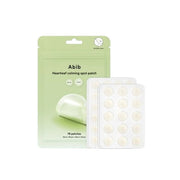
Abib Heartleaf Calming Spot Patch
The public page lists 78 hydrocolloid patches in 10 mm and 12 mm sizes. This is a spot-care format example, not a pregnancy or treatment recommendation.
View product details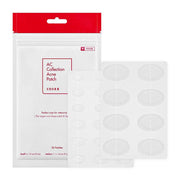
COSRX AC Collection Acne Patch
The page lists a 26-patch pouch, three sizes, hydrocolloid, and centella. The listing does not establish suitability for an individual.
View product details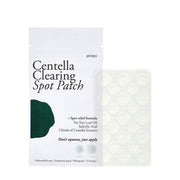
PETITFEE Centella Clearing Spot Patch
The public listing describes a 23-patch hydrocolloid spot-care format with centella. It is shown only as a catalog format example.
View product details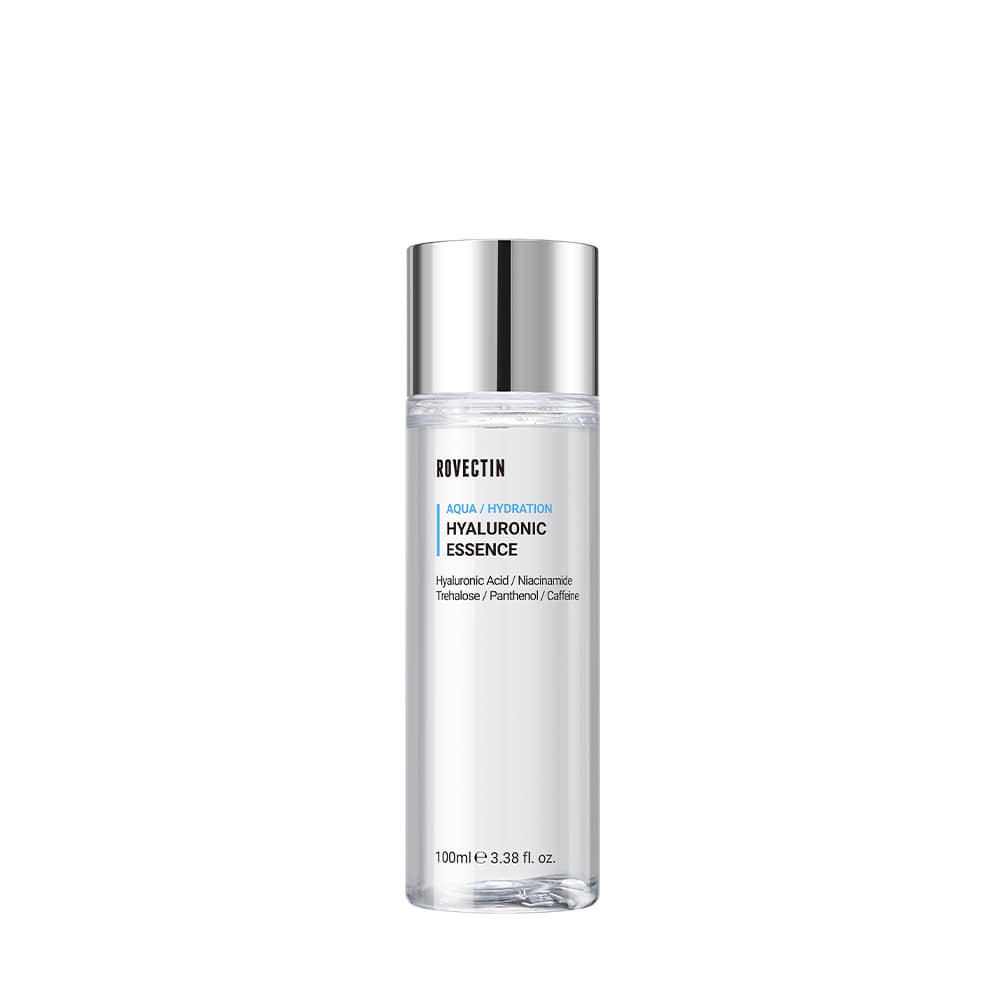
ROVECTIN AQUA HYALURONIC ESSENCE, 100 ml
A 100 ml hydration essence format listed on the public catalog. Check the current ingredient panel and ask a clinician about your situation.
View product details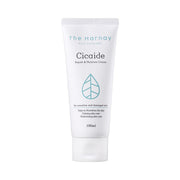
The Harnay Cicaide Cream, 100 ml
The catalog presents a 100 ml cream and lists ceramide. The listing is not evidence of pregnancy safety or medical benefit.
View product details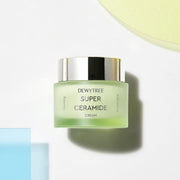
DEWYTREE Super Ceramide Cream, 50 ml
A 50 ml ceramide cream format in the public catalog. It is included as an example of a moisturizer format only.
View product details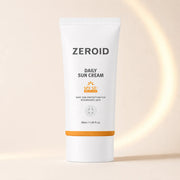
ZEROID Daily Sun Cream SPF50+ PA++++, 50 ml
The listing gives SPF50+ PA++++, 50 ml, and a full ingredient panel. No mineral-only or pregnancy-safety claim is made here.
View product details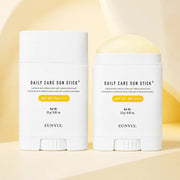
EUNYUL Daily Care Sun Stick Duo SPF50+ PA++++, 2 x 23 g
The public page lists two 23 g sun sticks with SPF50+ PA++++. Water resistance and pregnancy suitability are not asserted.
View product details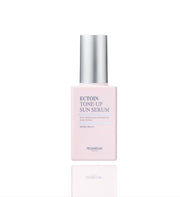
TROIAREUKE Seoul Ectoin Tone-Up Sun Serum SPF50+ PA++++, 50 ml
The title and page describe a 50 ml SPF50+ PA++++ tone-up sun serum with a peach finish. Confirm the current full formula before use.
View product details
belif Moisturizing Bomb Stick, 7 g
The public page presents a 7 g balm format for dry zones and lists shea butter and cedrol. It is a catalog description only.
View product details
When to ask for dermatology care
Seek a dermatology or primary-care assessment if acne is painful, deep, scarring, persistent, widespread, or significantly affecting your quality of life. Ask for care sooner when a rash spreads quickly, lesions are unusually painful, the area is warm and swollen, or you suspect an infection or an allergic reaction. This guide cannot decide whether a particular bump is acne, and pregnancy status does not remove the need to evaluate a separate skin problem.
If you have a history of acne scarring or have used prescription treatment, mention that history. A clinician can discuss options suited to the skin condition and pregnancy context. Treatment choices may differ if you are pregnant, trying to conceive, breastfeeding, or not pregnant. Those categories should be stated accurately because they can change a clinician's recommendation.
If the skin problem is affecting sleep, confidence, work, or social life, say so. The effect on daily life is relevant. You do not have to wait for severe scarring before asking for help. A care conversation can address both the medical issue and the distress caused by a visible flare.
Common questions about acne and pregnancy
Is acne a sign of pregnancy before a missed period?
Acne may happen at many points, but it cannot tell you whether pregnancy has occurred before a missed period. NIAMS recognizes pregnancy-related hormone changes as one possible acne factor. It does not identify acne as an early diagnostic sign. If pregnancy is possible, follow reliable test timing and the test instructions. The NHS says most home tests are most reliable from the first day of a missed period and warns that testing too early can make a negative result unreliable.
Can acne be an early pregnancy symptom?
Some people notice acne during pregnancy, and hormonal changes can contribute. The appearance of acne is nonspecific, so an early breakout cannot confirm pregnancy. The term "acne pregnancy symptom" describes a possible overlap, not a dependable sign. A pregnancy test is the appropriate tool for checking pregnancy.
Does pregnancy acne look different from regular acne?
There is no single visual pattern that lets a person identify pregnancy acne from a photograph. Common acne lesions include comedones, inflamed papules, pustules, and deeper nodules. A clinician considers lesion type, history, timing, and other findings. A visual impression cannot determine pregnancy status.
Can pregnancy cause acne on the face, chest, or back?
Acne can occur on the face, chest, shoulders, or back, according to NIAMS. Hormonal changes related to pregnancy may contribute to acne, but location does not prove the cause. A breakout on the back is not more or less diagnostic of pregnancy than a breakout on the face.
Can a breakout mean a particular trimester or fetal sex?
No reliable trimester or fetal-sex conclusion can be drawn from acne. The count and placement of pimples are not pregnancy dating or fetal assessment methods. Ask a prenatal clinician about dating and health questions.
If my skin is clear, could I still be pregnant?
Yes. Acne is not inevitable during pregnancy, so clear skin does not rule it out. If pregnancy is possible, test based on the timing of your cycle or exposure and follow the kit instructions.
If I have acne and a positive pregnancy test, should I stop everything?
Do not treat every product as identical. AAD specifically warns against isotretinoin, tazarotene, and spironolactone during pregnancy and says most experts recommend stopping adapalene and tretinoin. Contact the clinician who prescribed a medicine or your obstetric clinician promptly for advice about your exact regimen. Bring complete ingredient lists for over-the-counter products. Do not restart a prescription because of a breakout.
Can skincare products tell whether the breakout is hormonal?
No product can determine whether acne is hormonal or whether pregnancy caused it. A product page may describe its formula or intended cosmetic use. It cannot diagnose an individual's cause. A clinician reviews history and examines the skin when a diagnosis matters.
Does hormonal acne always appear in a predictable place?
No one location can establish a hormonal cause or a pregnancy. Face, chest, shoulders, and back can all be affected by acne. A clinician can interpret the distribution together with lesion type, history, medicines, and other details. A facial map is not a pregnancy test.
Can acne start before I know I am pregnant?
Acne can appear at any time for multiple reasons, so it could happen before someone knows whether pregnancy has occurred. Timing does not make the breakout diagnostic. Use an appropriately timed test if pregnancy is possible, and contact a clinician about medicines that may need review.
Should I wait for my skin to clear before taking a pregnancy test?
No. The skin has no role in setting pregnancy test timing. Follow the test kit and reliable reproductive-health guidance. The NHS says most tests are most reliable from the first day of a missed period or, when the expected date is unknown, at least 21 days after unprotected sex.
Can a pregnancy test tell me why I have acne?
No. A pregnancy test detects hCG according to its instructions. It cannot identify a skin condition or prove that pregnancy caused a flare. If acne is persistent, painful, scarring, or unusual, seek a skin assessment even when the pregnancy result is clear.

Should I change my routine if pregnancy is only possible, not confirmed?
Ask a clinician or pharmacist about active acne medicines and any product whose safety is uncertain. A low-complexity routine may limit extra irritation while you wait, but it is not a pregnancy safety clearance. If you use prescription medicine, contact the prescriber rather than making a guess from a product label.
What should I do if the test is negative but my period is late?
The NHS advises waiting a few days and repeating a negative test if pregnancy still seems possible. Speak with a clinician if a second test is negative and your period has not arrived, or if you need help understanding the timing. A breakout does not explain a late period by itself.
Are pimple patches a pregnancy test or acne treatment?
No. A patch is a topical product format, not a test for hCG and not a way to establish pregnancy. The cards in this article are retail examples only. Check the current label and ask a clinician about a product if you are pregnant or might be pregnant.
Can stress or diet cause this breakout instead?
NIAMS says stress and some other factors may make acne worse, and research on diet continues. Those factors may be relevant to some people, but they cannot be identified from a single breakout. Avoid assigning blame to yourself or making restrictive diet changes based only on acne. If you suspect a reproducible trigger, discuss the pattern with a clinician.
A clear decision path
- If pregnancy is possible, decide when to test. Use the first day of a missed period as the usual starting point for a home test. If the next period date is unknown, the NHS advises testing at least 21 days after the last unprotected sex.
- If the test is negative but may have been early, repeat it. Follow the kit instructions and the NHS advice to wait a few days if pregnancy still seems possible.
- If a test is positive and you use acne medication, contact the prescriber promptly. Share the ingredient, dose, route, and dates. Follow the AAD's pregnancy warnings for specified medicines and seek individualized advice.
- If the skin itself is painful, scarring, persistent, rapidly worsening, or hard to identify, seek clinical assessment. Pregnancy testing and skin assessment answer separate questions.
- While waiting, avoid experimenting with a stack of new actives. Keep a simple record and check exact ingredients with a qualified clinician or pharmacist.
The phrase "acne a pregnancy sign" is understandable as a search question. The medically careful answer is narrower: pregnancy-related hormonal changes can contribute to acne, but a breakout does not confirm or exclude pregnancy. A pregnancy test is the right tool for the pregnancy question. A clinician is the right person to review medication safety or an unusual skin problem.

Explore related ProtoClinical guides
These published guides cover neighboring skincare questions. They offer context about acne routines, breakout patterns, ingredients, and cycle-related skin changes. They do not diagnose pregnancy or replace pregnancy testing.
- Korean Skincare Routine for Acne-Prone Skin
- What Causes Acne? A Clear Look at Pores, Hormones, Inflammation, and Everyday Triggers
- Tea Tree vs Centella: Acne Evidence Compared
- Period Skincare Routine: What to Adjust When Your Skin Changes
- Sulfur vs Salicylic Acid for Acne: Which Is Better?
Explore commercial skincare hubs
These public collection pages organize product formats. They are shopping destinations, not medical references. Confirm a product's current ingredients and use directions before purchase, and ask a qualified clinician about pregnancy-related safety.
- Breakouts collection
- Acne patches and spot care
- Facial cleansers
- Sunscreen
- Dryness care
- Face moisturizers
- Barrier repair
Sources and editorial notes
- NIAMS: Acne. Used for acne lesion descriptions, age range, hormonal factors, pregnancy-related hormonal change, and factors that may worsen acne. Page lists a July 2023 review date.
- MedlinePlus: Acne. Used for the cautious description of hormones and pregnancy as possible contributors and gentle cleansing advice.
- American Academy of Dermatology: Is any acne treatment safe to use during pregnancy?. Used for pregnancy-related acne medicine cautions and advice to consult an obstetrician or dermatologist.
- NHS: Doing a pregnancy test. Used for test timing, hCG, test instructions, and retesting guidance.
Evidence boundary: NIAMS and MedlinePlus support that pregnancy-related hormonal changes can contribute to acne and that other contributors exist. The conclusion that acne cannot confirm pregnancy is a practical inference from those facts and from the NHS description of pregnancy tests as hCG tests. This article does not claim a pregnancy-specific acne morphology or a predictable trimester pattern.
Editorial note: The claims in this guide were checked against the linked public evidence on 2026-10-01. For personal care decisions, follow current product labels and seek advice from a qualified clinician.
0 comments