
Hair care � ingredient evidence � routine fit
Is Hyaluronic Acid Good for Hair? Benefits, Limits, and How to Use It
Hyaluronic acid is known for binding water in skin care, but the word "hydrating" does not automatically tell you what it will do on a hair strand. Here is what the small amount of hair-specific evidence can support, what remains unproven, and how to choose a routine by format instead of hype.
By ProtoClinical
1. What people mean when they ask whether hyaluronic acid is good for hair
The phrase can describe several different questions. Someone may be asking whether an HA serum belongs on the hair lengths, whether an ingredient in shampoo can make dry hair feel softer, whether a scalp serum can help hair grow, or whether hyaluronate can reverse damage from bleaching. Those are not equivalent claims. Each involves a different target, exposure time, formulation, and kind of evidence.
For a hair shaft, the practical question is about the exposed fiber: can a particular finished product help the strand feel smoother, less rough, or easier to comb for a while? For scalp skin, the question concerns a living skin surface and possibly a health condition. For growth, the relevant structures are follicles below the visible skin surface. A product that is applied to the ends of a ponytail cannot be assumed to reach or change those follicles.
That distinction prevents a common ingredient leap. Hyaluronic acid is frequently discussed in skin-care routines, where it is used in moisturizers and serums. Seeing a familiar skin ingredient in a hair product does not mean that the same benefits, dose, or application advice transfer unchanged. Nor does a product page that says "hydrating" prove that hyaluronic acid is present. The full ingredient list and the product's intended use are the starting points.
It also helps to translate the vague phrase "good for hair" into an observable aim. Do you want a rinse-out conditioner that reduces tangling? A leave-in essence that suits the ends after washing? Less friction while detangling? A scalp product for dryness? Or an answer about thinning? A product can be a reasonable fit for one of those goals and a poor answer for another. Choosing by the routine job is more useful than treating "hydration" as a catch-all promise.
In this guide, "HA" refers to hyaluronic acid and related hyaluronate forms as named on cosmetic ingredient lists. The article separates plausible cosmetic use from clinical claims, then gives a format-first way to shop. It does not assume that the products in the card section contain HA: those cards are examples of hair-care formats, not a list of verified HA formulas.
2. What hyaluronic acid is-and what "holds water" does not tell you
Hyaluronic acid, also called hyaluronan or hyaluronate, is a water-attracting molecule that occurs naturally in the body and is used in topical skin-care products. Its familiar skin-care role is connected to water binding and the feel or appearance of hydrated skin. A clear explainer from Cleveland Clinic describes those uses in relation to skin, eyes, and joints. That is useful background, but it is not direct evidence that a face serum will act the same way on a hair fiber.
A hair product is not simply a skin serum in another bottle. A formulation has to work in its actual format. A shampoo is diluted with water and rinsed away; a conditioner remains on the hair only for the labelled contact time before rinsing; a leave-in essence stays on the fiber until the next wash; and an oil or styling serum may mainly alter surface slip and finish. The same ingredient name can therefore appear in products with very different opportunities to contact the hair.
Ingredient lists may use terms such as hyaluronic acid or sodium hyaluronate, and some labels use related hyaluronate names. A marketing phrase or collection filter is not enough to confirm presence: inspect the individual product page and its complete ingredient list, when available. Even confirmed presence says nothing by itself about concentration, molecular size, how the ingredient is delivered, or whether it makes a meaningful difference in the whole formula.
Molecular weight can matter in how hyaluronate behaves in a formulation and on a surface. It is one of the details researchers may test, but it is not a consumer shortcut where "smaller" automatically means better. A published study can test a specific molecular size, concentration, vehicle, exposure, and hair sample; a retail product may use another form and another formula. Without a close match between the study material and the product, the research cannot predict the result for a shopper.
"Binds water" also does not mean "rebuilds a hair strand." Water interaction is only one possible part of the formula. Hair feel is influenced by cuticle condition, friction, surfactant residue, conditioning agents, silicones or oils where present, protein-containing ingredients, styling practices, and the amount applied. A product can feel smoother because its conditioning system coats or lubricates the fiber, even if the feature ingredient is not doing the work shoppers imagine.
The most defensible way to think about HA in hair care is therefore modest: it can be an ingredient worth noticing in a hair-labeled formula, especially if you like the product's overall texture and use pattern. It is not a standalone diagnosis, a required step, or proof that an item will hydrate every hair type. Fit the ingredient into the whole formula rather than shopping by name alone.

3. Hair shaft, scalp, and follicle are different targets

The visible strand is the hair shaft. It is the material you can shampoo, condition, style, and feel between your fingers. The scalp is skin, and the follicle is the structure within the skin where a hair begins to grow. A leave-in product spread across mid-lengths and ends is aimed at the shaft; a scalp serum is designed to contact scalp skin; and neither should be called a growth treatment without appropriate evidence for that outcome.
This is why a phrase such as "HA for hair growth" needs extra scrutiny. An ingredient that helps the surface of a strand feel more lubricated does not thereby change the hair cycle. It cannot make a damaged end regenerate, and there is no basis for applying an ordinary hair essence to the scalp to treat shedding or a medical condition unless the product is actually intended for that area and evidence supports the specific claim.
The distinction matters in day-to-day shopping. A scalp treatment may contain a hydrating ingredient for comfort, but it should be assessed as a scalp product with directions for that skin. A hair oil or essence may be designed for lengths, where it can contribute to the feel of the fiber, but putting it on the scalp could leave residue or create discomfort for some people. Read the package for intended area and contact time instead of borrowing directions from a different product category.
It also matters when hair seems thinner. Breakage can shorten visible length and produce flyaways; shedding from the follicle changes how many strands are released; scalp inflammation or a medical condition may affect growth. These experiences can overlap, but one HA product cannot distinguish among them. The related ProtoClinical guide What Is Hair Growth? The Hair Cycle, Shedding, and Breakage explains those separate patterns. Persistent shedding, sudden patches, pain, scaling, or scalp inflammation should be discussed with a qualified clinician rather than managed by trying more cosmetic ingredients.
When a question is actually about softness or manageability, keep it that small. A product can improve the cosmetic experience of a strand without changing its biology. That is a valid reason to use a conditioner or leave-in if you like the result; it is simply a different claim from making hair grow faster or restoring a follicle.
4. What the hair-specific HA evidence actually says
There is at least one published hair-specific investigation worth discussing instead of repeating the claim that "there is no research." In 2022, Qu and colleagues reported an experimental study of low-molecular-weight hyaluronate and mechanically damaged hair. The paper, published in Molecules, describes testing hyaluronate with different molecular weights and reports that the low-molecular-weight material-an average around 42 kDa-significantly improved the elastic modulus of overbleached hair fibers. The record is available at PubMed, PMID 36431803, and the study DOI is 10.3390/molecules27227701.
An elastic-modulus result is a measured materials property. It indicates how the sample responds to force under the study conditions. It is not the same thing as a participant saying that their hair looked better after using a store-bought product for several weeks. It does not establish that every HA form behaves alike, that every leave-in contains the studied molecule size, or that the product remains effective after repeated washing, brushing, heat styling, or chemical services.
The word "repair" needs the same boundary. In everyday product copy it can mean improved combability, less rough feel, reduced surface friction, or a short-term change in the fiber's mechanical behavior. In a biological sense, a visibly grown hair shaft is not living tissue that heals itself after it exits the follicle. A test result on a treated fiber cannot close a split end, restore an intact cuticle permanently, or undo the chemical history of a bleached strand.
The study should be treated as promising but narrow. It supports the proposition that a specific low-molecular-weight hyaluronate can affect a measured property of overbleached hair samples in an experimental setup. It does not prove a clinical benefit for people, a reduction in breakage during normal styling, scalp safety for every formula, or a growth effect. Replication, formula-matched tests, real-use studies, transparent product composition, and meaningful user outcomes would be needed to make broader consumer claims confidently.
The access path for the open-access full text returned a browser CAPTCHA in this research session; the cited PubMed record and article DOI were visible through the search result. The article summary in this guide sticks to the accessible bibliographic and abstract-level result and does not invent extra methods or numerical outcomes. That constraint is one reason the explanation avoids ranking products by supposedly proven HA performance.
For general hair care, the more practical baseline is still routine technique. The American Academy of Dermatology's healthy-hair guidance emphasizes washing the scalp rather than scrubbing the full length, choosing conditioner use by hair type, handling wet hair gently, and limiting excessive heat. These habits are not HA-specific, but they directly address common sources of tangling, roughness, and avoidable fiber stress.

A lab measurement on damaged fibers is not proof of hair growth or a guaranteed retail-product outcome.
5. What hyaluronic acid benefits for hair are plausible-and what is still a guess
For a finished hair formula, the most plausible everyday benefit is a change in feel, not a change in how hair grows. A conditioning system can make the surface feel more slippery, lower the sensation of roughness, make tangles easier to work through, or help a style look more polished until the next wash. If a formula contains hyaluronate and you like the way your hair feels, it may be a reasonable cosmetic choice. Without a study of that exact formula, however, there is no simple way to assign the result to HA by itself.
There is a difference between moisture language and measured water content. Brands may use "hydrating" to describe a sensory result or the intended role of the product. The word does not tell you how much water remains in the hair after rinsing, how long the effect lasts, or whether the fiber becomes less vulnerable to combing. Those outcomes depend on the whole system: the base, conditioning agents, pH, polymer size, how much product is used, the exposure time, and the individual strand condition.
A smoothing effect may be particularly welcome on hair that feels rough after color processing, heat exposure, or friction. That does not make HA a substitute for gentler handling. If the cuticle has been stressed, reducing repeated high heat, harsh detangling, and unnecessary chemical overlap can be more dependable than adding another product. A product can improve the finish and reduce some friction while you use it; it cannot erase the prior process history.
Some consumers may also like the lighter feel of a water-based leave-in compared with a heavier oil. That preference is about texture, application, and styling result. It is not an HA-specific advantage unless the formula has been directly compared with a similar product without HA. If the package calls the product an essence, mist, milk, or serum, the format name alone still does not predict how it will behave on fine curls, dense coils, color-treated lengths, or a humid day.
A useful standard is to ask three questions: What result is observable? How long should it last? What evidence measures that exact result? "Feels easier to comb while wet" is observable. "Repairs hair permanently" is much broader. "Makes hair grow" is a follicle claim that an on-length conditioner cannot substantiate merely by including a popular hydrator.

Choose a measure that matches the benefit
If you test a product for easier detangling or a smoother finish, note that specific result after use and at the next wash. Keep it separate from less shedding or new growth: those are different questions and cannot be inferred from a strand's appearance.
6. What hyaluronic acid cannot be assumed to do
There is no responsible basis for treating HA as a hair-growth ingredient on the strength of the fiber study. Growth begins within follicles and follows a cycle; a coating or leave-in applied to the exposed shaft is a different intervention. If you notice progressive thinning, a wider part, patches, persistent shedding, or changes that concern you, a cosmetic serum is not a diagnostic tool. The related guide to hair-growth scalp serums discusses product claims separately from clinician-directed care.
Do not assume it prevents hair loss, lengthens the growth phase, increases follicle count, or reverses hormonal, nutritional, medication-related, or inflammatory causes of shedding. Those claims would require evidence on the scalp and follicles, a suitable population, a defined product, a relevant comparator, and a meaningful time frame. A hair mask test or strand measurement cannot answer them.
Nor can an ingredient permanently "heal" split ends. A split is a physical separation in the fiber. A conditioner, serum, oil, or styling product can temporarily make the ends lie together more neatly or feel less snaggy. A trim is the durable way to remove the split portion. When advertising says "repairs," look for what was measured: appearance, combing force, tensile properties, or a clinical outcome. Those are different endpoints, and none should be quietly substituted for another.
HA also cannot be assumed to hydrate the scalp or treat dandruff, eczema, psoriasis, folliculitis, or other scalp problems. A product may be designed to moisturize scalp skin, but that is a separate use and a separate formula. If the scalp is persistently itchy, painful, inflamed, scaly, weeping, or losing hair, a healthcare professional can help identify the cause. Applying a fragranced hair oil or repurposed face serum to an irritated scalp can add exposure without solving the underlying problem.
Finally, the ingredient does not automatically guarantee protection from humidity or dry weather. Hair fiber interacts with its surroundings, and a formula may change how a style behaves, but the single label "hyaluronic acid" does not tell you whether a product will control frizz in your climate. The finish comes from the entire product, the amount, the hair's condition, the styling method, and the air around you. Test a small amount in ordinary conditions before deciding whether it suits your routine.

Use the right next step for the concern
A strand-level product trial can help you decide whether a formula suits the feel and handling of your lengths. A change in shedding, a widening part, patches, or persistent scalp symptoms calls for a different assessment; adding more conditioning products does not identify the cause.
7. How to choose an HA hair product without buying the claim
Start by naming the job. For easier detangling after shampoo, a rinse-out conditioner is the direct first format to compare. For light slip on dry ends between washes, a leave-in mist or essence may be more convenient. For a softer finish after drying, an oil or finishing serum may match the styling step. If the concern is scalp dryness, choose a product specifically directed to the scalp and check whether the symptom might need medical evaluation. Do not use "contains HA" to skip that decision.

Read the ingredient list, not just the collection name
Look for the ingredient name on the exact PDP or package. A collection page can group a product by a search term even when the item itself does not clearly disclose a full INCI list. If the list is unavailable, do not infer HA from "moisture," "water," "hydro," or "essence" in a title. When ingredient presence matters to you, contact the seller or manufacturer rather than guessing.
Then check the rest of the formula. A leave-in may also contain conditioning agents, oils, silicones, proteins, fragrance, or other ingredients that change slip and finish. These are not automatically good or bad. They help explain why two products with similar front-label language can feel very different. Choose by your own hair's response and how often you are willing to use the format.

Make the label check concrete
Before buying, record five items: intended area, rinse or leave-in format, directions, ingredients disclosed on the exact page, and the one cosmetic result you want to judge. If any item is missing, mark it unknown instead of filling the gap with an assumption.
Confirm the format and directions
A rinse-out product and a leave-in are not interchangeable. A conditioner that asks you to rinse after a short contact time should not be treated as a leave-in mask. A mist intended for towel-dried lengths should not be assumed to be a scalp tonic. A product that says "apply to mid-lengths and ends" should not be massaged into the scalp just because the shopper hopes to support growth. Small details on the package determine where, how much, and how long the product is meant to stay on.
Use directions as the first guide for damp versus dry application. There is no universal HA rule that every hair must be wet before application. Skin-care tips for an HA serum are not a hair-product protocol. Hair formulas differ in whether they are meant to be rinsed, layered under heat styling, or used only as a final step. If no directions appear on the listing, do not invent a routine on behalf of the brand.
Choose the amount and finish your hair can carry
Fine or low-density hair may feel weighed down by a rich leave-in or oil. Dense, coarse, highly textured, or long hair may be more comfortable with a richer cream or a broader conditioner application. Those are starting points, not rules based on ethnicity or a rigid curl chart. The actual fiber diameter, density, porosity, climate, and styling habits can change what works. Begin with less than you think you need, spread it evenly, and add only if the result still feels rough.
Check fragrance, texture, package size, pump or spray design, and whether the product is easy to use one-handed in the shower. A product can be technically interesting and still be a poor choice if its scent bothers you, it tangles in a dispenser, or it creates residue after repeated use. The routine you will actually repeat is a better selection criterion than a dramatic ingredient percentage with no clear use instructions.
Compare claims to the evidence level
Consider a claim a question to investigate rather than a conclusion. "Leaves hair feeling soft" is a near-term sensory promise that may be easy to assess personally. "Strengthens hair" should tell you whether the brand measured breakage, tensile behavior, or only the look of damaged ends. "Supports scalp health" is different from "promotes new growth." "Clinically proven" should identify the formula, method, duration, and outcome; if those details are absent, the phrase does not reveal whether the result applies to your concern.
When two products look similar, choose by the practical differences you can verify: intended area, rinse versus leave-in, container, directions, ingredients disclosed, amount in the package, and whether the product suits your existing shampoo and conditioner. You do not need to collect several HA products. One clear step is easier to evaluate than a stack of overlapping serums, essences, oils, and masks.
8. A simple routine if you want to try a hair-labeled HA formula
Keep the first trial boring on purpose. Use a shampoo and conditioner that already work for you, change only one leave-in step, and note how the hair feels after drying, after styling, and at the next wash. If several new formulas enter the routine together, it becomes difficult to tell which one caused residue, softness, tangling, or scalp discomfort.
- Wash the scalp according to its oil and buildup pattern. Put shampoo where cleansing is needed rather than scrubbing the entire length by default. Let the rinse carry suds through the lengths, especially if they are dry or fragile.
- Condition according to texture and density. The AAD guidance suggests focusing conditioner on the ends for fine or straight hair and applying it more broadly when hair is dry, textured, curly, or thick. Use the label and your own response to set amount and contact time.
- Remove water without friction. Gently squeeze or blot; rubbing wet hair vigorously can add mechanical stress. Wet hair can be more vulnerable to rough handling, so detangle patiently with a wide-tooth comb or the method that suits your texture.
- Add one leave-in only if the product directs that use. Follow its amount, placement, and wet-or-dry instructions. When a label specifically says mid-lengths and ends, start there instead of coating the scalp.
- Give it a fair, bounded trial. Notice feel, slip, weight, buildup, fragrance tolerance, and how it behaves across more than one wash. A personal preference test is not proof of a biological benefit, but it can tell you whether the product fills the cosmetic role you chose.

Change one routine step at a time so you can tell what altered the feel or handling.
Do not set a trial length based on a claim of new growth. Hair growth occurs on a longer biological cycle, and a consumer test that measures only the feel of ends cannot establish follicle change. If you are monitoring shedding or thinning, take the concern to a clinician and use the correct medical timeline. If you are monitoring frizz or combability, judge those immediate cosmetic outcomes and stop when the product no longer earns its place.
Keep heat and chemical services in view. If your routine includes bleaching, relaxing, frequent color, tight styles, or high-temperature tools, a water-binding ingredient is not the main protection plan. Reduce repeated damage where possible, use a conditioner suited to the hair, handle it gently, and follow the directions for any heat product you choose. A label claim should never make you feel that you can ignore the amount of heat or friction your hair is experiencing.

Keep the routine technique steady
During a product trial, keep washing, towel handling, detangling, and heat habits as consistent as practical. These steps can change how hair feels on their own, so holding them steady makes it easier to notice whether one new leave-in actually fits your routine.
9. Match the format to the job, not the ingredient trend
Hair care is easier to build when every format has a clear job. Shampoo primarily cleans the scalp and removes residue. A conditioner is used after washing to help with slip, detangling, and manageability. A rinse-out mask or treatment usually gives a longer conditioning step, but the label determines how long it stays on and whether it should be rinsed. A leave-in mist, essence, milk, or serum is applied to lengths when directed and remains until the next wash. Oils and finishing serums can be used for the finish the manufacturer specifies. A scalp tonic or serum belongs on scalp skin only if its directions say so.
The direct public storefront has dedicated browse routes for Hair & Scalp Care, Shampoos, Conditioners & Hair Treatments, Hair Oils & Leave-In Essences, and Scalp Treatments. These collections can help you find a format. They do not certify that every included product contains HA or that any listing treats hair loss.
Here are ten current product-page examples of different hair-care formats. The cards help compare where an item sits in a routine and what its public listing says. They are not HA recommendations, and the official pages reviewed for this set do not establish that these ten products contain hyaluronic acid. Check each individual page for the live ingredient list, variant details, directions, and current product information before deciding.

CHAHONG Re-hydra Origin Essence 120ml
An essence format listed for hair. The public directions reviewed specify application to damp or dry mid-lengths and ends, then leaving it in. Compare its feel with your existing conditioner step.
View product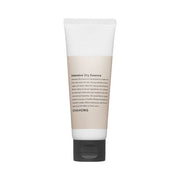
CHAHONG Intensive Dry Essence 120ml
A leave-in essence option. The public directions reviewed place it on towel-dried or dry mid-lengths and ends; start with the listed amount and assess whether the finish feels too rich or light for your hair.
View product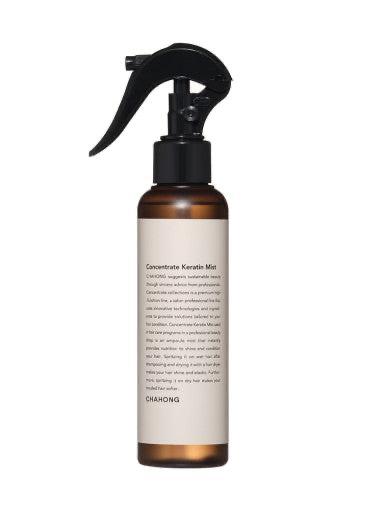
CHAHONG Concentrate Keratin Mist 150ml
A spray format. The page directions reviewed describe use on towel-dried lengths before combing and styling. Do not infer permanent repair from the product name or ingredient language.
View product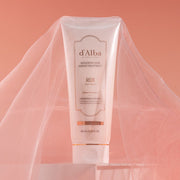
d'Alba Professional Repairing Hair Serum Treatment 180ml
Despite "serum" in the name, the directions reviewed are for a rinse-out treatment: use after shampoo on the lengths, leave for a few minutes, then rinse thoroughly. Follow the page for current use.
View product
d'Alba Professional Repairing Hair Perfume Serum 100ml
A leave-in perfume-serum format. The directions reviewed describe a small amount on damp or dry mid-lengths and ends. Fragrance preference and layering are relevant parts of the decision.
View product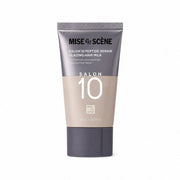
[mise en scene] Salon 10 Peptide Repair Glazing Hair Milk 150ml
A named hair-milk format and package size are visible in the listing. Full directions and a complete ingredient list were not verified in the public capture, so check the live page before use.
View product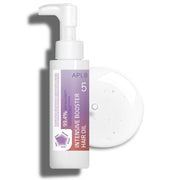
APLB Intensive Booster Hair Oil 80ml
An oil-format listing. The captured page mentions keratin and silk ingredients, but did not provide verified use directions or HA content. Consult the exact PDP and start cautiously if its directions fit your routine.
View product
LADOR Wonder Hair Oil 100ml
An oil format with directions reviewed for towel-dried hair. The page lists hydrolyzed silk protein and avocado oil. Compare the finish and follow the current product directions; this card does not promise heat protection.
View product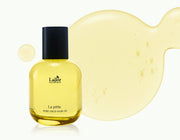
LADOR Perfumed Hair Oil 80ml (5 types)
A finishing-oil option with several listed types. The public directions reviewed position it after blow-drying or heat styling. Verify the chosen type and its current instructions on the product page.
View product
Kerasys Moisture Clinic Moisture Care Solution Conditioner 750ml
A rinse-out conditioner. The accessible page directions say to apply after shampoo to lengths while avoiding the scalp, leave for 2-3 minutes, and rinse. It fills a different step from a leave-in essence.
View productImportant: These are format examples only. They are not represented as containing hyaluronic acid, and none is being recommended as a proven treatment for hair growth, scalp disease, or permanent repair. Product information and availability can change; inspect the exact page before choosing.
10. How formats may fit different hair patterns
Fine or straight hair often makes residue easy to notice. If a leave-in makes strands look separated, limp, or coated, reduce the amount or choose a lighter routine step. That is not proof that the hair "needs" less water; it is a sign that the particular product and dose may not fit the style result you want. A light conditioner on the ends may be enough, while a serum can be reserved for a few dry tips.
Curly, coily, thick, or long hair may have more tangling and friction to manage. A broader conditioner application or a richer leave-in could feel more useful, especially if the product is designed for that hair type. The goal is not to cover every strand in a heavy layer. Work in sections when needed, spread a manageable amount evenly, and detangle gently with the technique that suits the pattern.
Color-treated, bleached, relaxed, or heat-styled hair can feel rough because the fiber has been exposed to chemical or mechanical stress. A rinse-out treatment and a leave-in may each support feel and manageability in different steps, but layering both is not automatically better. Choose one change at a time, follow its contact time, and reduce avoidable heat or friction. Do not rely on an HA label as a promise to reverse bleaching or eliminate split ends.
Low-porosity hair discussions often focus on whether a product feels heavy or leaves buildup. Those experiences can depend on formulation and amount; the term does not supply an HA-use rule. High-porosity hair may seem to absorb and lose moisture more quickly, but that also does not prove an isolated humectant will solve the concern. Trial the format that suits your styling habits, then pay attention to the next wash and the day-after feel rather than labeling the hair on one impression.
In humid weather, compare how the entire styling system behaves. In dry or heated indoor air, focus on whether lengths feel rough or tangled. Do not assume that HA will pull water from the atmosphere in a way that guarantees softness or frizz in either setting. A formula can behave differently across climates, and the marketing name does not reveal how it interacts with the rest of your routine.
If the problem is a flaky or uncomfortable scalp rather than dry ends, move away from length products. Choose products labeled for scalp use and consider that flakes can have causes beyond lack of moisture. Read the related guide on scalp routines for format distinctions; seek clinical advice for persistent symptoms. A hair oil on the scalp is not a universal solution for itch or flaking.

Let the hair response guide amount
For curls and coils, distribute product in sections only when the directions allow it, then judge slip, residue, and definition after drying. The same ingredient name does not tell you whether a formula will feel light enough, so begin with the smallest labelled amount and adjust only from your own result.
11. A practical decision checklist
Before you buy, name the result you want in plain language: easier combing, a lighter finish, less rough-feeling ends, or a scalp product for a scalp concern. Next, confirm the item is labeled for that area and format. Read the product page for directions, the full ingredient list if available, and whether the formula is rinsed out. Treat "hydrating," "strengthening," and "repairing" as claims to inspect, not proof that the ingredient is effective for your own hair.
If you do try a new HA-labeled hair product, change one step at a time. Follow the directions, use a small amount at first when the label permits, and note the finish after drying and at the next wash. If hair feels coated or weighed down, use less or stop. If the scalp becomes itchy or irritated, discontinue the product and rinse as appropriate. A personal feel test can tell you if the formula suits your routine; it cannot establish hair growth or permanent repair.
Keep the study in proportion. The 2022 report gives a reason to study specific low-molecular-weight hyaluronate on damaged fibers further. It does not make HA essential, prove every product performs alike, or replace basic care. Most people can keep a straightforward routine: cleanse the scalp as needed, condition according to hair type, handle wet lengths gently, reduce excessive heat, and choose a single leave-in only when it fills a genuine gap.
Related reading
Sources
- Qu W, et al. Improving the Mechanical Properties of Damaged Hair Using Low-Molecular Weight Hyaluronate. PubMed PMID 36431803; DOI 10.3390/molecules27227701.
- American Academy of Dermatology. Tips for healthy hair.
- Cleveland Clinic. Hyaluronic Acid: What It Is, Benefits, and More.
- Hair cosmetics: an overview. PubMed PMID 25878443.
ProtoClinical note: Educational information only, not an individual diagnosis or treatment plan. The product cards are format examples, not confirmed HA formulas or proven hair-growth treatments. Check the current product page for directions and ingredient disclosure.
0 comments