
SKINCARE GUIDE · PRODUCT SELECTION
Neck and Chest Cream: How to Choose by Formula, Texture, and Routine Fit
A practical guide to choosing a neck and chest cream by texture, formula, tolerance, and routine fit.

The short answer
Choose a neck or chest cream by matching the formula’s texture and directions to the skin area and your routine. For simple comfort, a familiar moisturizer that already works on your face may be enough. For dry-feeling skin, a richer cream may feel more protective; for a warm climate, oily skin, or daytime layering, a lighter cream or gel-cream may be easier to keep using. If you want an active such as a retinoid, read the complete ingredient list and use directions, introduce it slowly, and consider starting with a lower-irritation routine before expanding it to the neck or chest.
During the day, give exposed skin the same sun-protection attention you give your face. The American Academy of Dermatology recommends a broad-spectrum, water-resistant sunscreen with SPF 30 or higher. It specifically reminds people to cover the neck and to reapply outdoors about every two hours and after swimming or sweating, following the product directions. A moisturizer, a “neck cream,” or makeup with SPF does not remove the need to apply and reapply sunscreen as directed. See the AAD sunscreen FAQs.

What are you trying to improve?
The phrase “neck and chest cream” can refer to several different goals. Separate them before comparing products.
Dryness and a tight feel
If the area feels dry after bathing, after cleansing, or under cold or windy conditions, a moisturizer may improve comfort and the look of flaking or roughness. A cream’s value here is mostly practical: it should spread easily, feel pleasant after it settles, and fit the frequency you can maintain. A richer texture is not inherently better. It is only a better match if it provides the finish and comfort you want without feeling sticky, trapping heat, or transferring uncomfortably to clothing.
Visible lines and texture
A cream can make surface lines look less noticeable temporarily by improving hydration and surface smoothness. Some formulas include cosmetic actives marketed for visible firmness or fine lines. Ingredient names and marketing language do not establish that a finished product creates a meaningful structural lift. The concentration, full formulation, packaging, stability, and directions all matter. If an independent trial is not available for the exact formula, describe the claim as the brand’s stated cosmetic benefit rather than a proven clinical result.
Uneven-looking tone
Sun exposure, irritation, and other factors can contribute to uneven-looking tone. Do not assume that a darker patch is simply cosmetic pigmentation. A new, changing, bleeding, crusting, or persistent spot deserves medical assessment, especially if it behaves differently from the surrounding skin. A brightening cream cannot diagnose the cause or rule out a skin cancer. For routine sun-related darkening, prevention is more dependable than relying on a cream alone: cover the area and use sunscreen consistently.
Comfort for reactive skin
If the neck or chest stings easily, burns after products, or has recurring redness, a long list of actives is not a useful starting point. Pause recently added exfoliants, retinoids, fragrance-heavy products, and tools that create friction. Keep the routine simple and ask a clinician about persistent or recurring irritation. A moisturizer’s “sensitive skin” label does not guarantee that every person will tolerate it.
Is a separate neck cream necessary?
No single label makes a cream necessary for a body area. A separate product can be convenient if it has a preferred texture, targeted directions, or an applicator that makes a small area easier to cover. But many people can use a face moisturizer on the neck when its own directions allow it. Before extending any product downward, check the label for intended areas, active ingredients, warnings, and frequency. If the directions say face only, or if the formula irritates the neck, do not assume the label can be ignored.

The main decision is not “neck cream versus face cream.” It is whether a product’s actual formula and directions fit the area, your tolerance, and your daily habits. A rich face cream may be a comfortable neck moisturizer for one person and too heavy or fragranced for another. A lightweight gel-cream may layer well under a collar but leave dry-feeling skin wanting more. A targeted neck product may contain an active or massage head that calls for more caution than a simple moisturizer.
The chest is also more likely to be covered by a shirt, exposed to a neckline, or affected by friction from fabric, sports gear, and jewelry. Think about when you apply a product and whether it has enough time to settle before dressing. A soft, comfortable film can be useful; a greasy transfer mark on a blouse is a sign the texture or amount does not fit your routine. You do not need to force the same product, amount, or schedule on the neck and chest if their needs differ.

Choose by texture before chasing ingredients
Texture changes whether a product fits your life. It does not prove greater potency.
- Light lotion or gel-cream: often easier to spread quickly and layer in warm weather, under clothing, or beneath sunscreen. If the area still feels dry soon after application, try a richer moisturizer or a second thin layer rather than repeatedly adding new actives.
- Cream: offers a more cushioned finish for people who dislike a bare or tight feeling. It can work well at night or in cooler, drier weather, but a rich finish may not suit every skin type or neckline.
- Targeted neck cream: may be packaged for this area and may include a narrow applicator. Review its directions and ingredient list as carefully as any other leave-on product. A specialized name does not mean it is more effective for everyone.
- Cream with a roller, massage head, or spicules: treat the applicator and active ingredients as part of the formula. Pressure and repeated rubbing can add friction. A product containing retinoids or hydrolyzed sponge spicules may cause irritation or prickling, so follow its directions, clean the applicator as instructed, and stop if persistent burning, swelling, or significant irritation develops.
- SPF moisturizer: can combine steps, but only when it is labeled as a sunscreen and used in enough quantity to achieve its labeled protection. It must still be reapplied outdoors as the label directs. A small amount of a cosmetic cream with SPF may not provide the same coverage people expect from a dedicated sunscreen application.
What the ingredient list can and cannot tell you
Ingredients are useful clues, not a scorecard. A product can include a popular ingredient without containing the form, concentration, or finished formula that a study tested.

Humectants and emollients
Glycerin, hyaluronic acid, and similar humectants support a hydrated feel by interacting with water in the outer skin. Emollients and occlusive ingredients can make rough-feeling skin feel smoother and help limit moisture loss. The finished formula, amount used, and how your skin responds matter more than a single ingredient name. A product does not need a complex “active” list to be a useful moisturizer.
Peptides, collagen, and firming language
Peptide- or collagen-labeled products may be positioned for a smoother, firmer-looking appearance. Treat these as cosmetic claims tied to the product’s surface-level appearance, not proof that a topical cream rebuilds deeper tissue or permanently lifts skin. Topical collagen can contribute to a moisturizing film; it should not be described as replacing collagen inside the skin. A richer moisturizer may temporarily soften the look of fine surface lines by making dry skin look more comfortable, but that is different from changing the underlying structure.
Retinol, retinal, and other retinoids
A retinoid is not just another soothing moisturizer. It can be irritating, especially when first introduced, and irritation on the neck or chest can be harder to tolerate than a familiar cream. The Cleveland Clinic notes that retinol can irritate skin and advises starting slowly; research reviews of topical retinoids also describe irritation as a common limitation. Follow the exact product label, introduce one active at a time, and do not add a retinoid to already irritated or broken skin. Avoid stacking it with multiple exfoliants or another retinoid when starting. Ask a qualified clinician about retinoid use if you are pregnant, trying to become pregnant, breastfeeding, or using prescription skin treatments. Do not rely on a general skincare article to settle an individual medication question.
Fragrance, acids, and spicule applicators
Fragrance and essential oils can be pleasant to some users and irritating to others. Alpha hydroxy acids and other exfoliating ingredients may create a more active routine, but they can also make a sensitive area uncomfortable. A spicule cream may produce a prickling sensation because of its formulation; that sensation is not proof that the product is working. If the label warns about irritation, follow it rather than using discomfort as a performance measure.

A practical way to compare products
Use the same questions for every product page. This makes marketing easier to compare and reduces the temptation to buy more than one product for the same job.
- Does the label include the area? Look for neck or décolletage directions if you intend to use it there. If it only says face, ask the manufacturer or your clinician instead of guessing.
- What is the product’s routine role? A cream is usually a moisturizer step. An ampoule or serum may layer beneath it. A sunscreen is the daytime protection step. Do not treat those formats as interchangeable.
- What finish will you actually use? If you dislike residue, choose a lighter texture. If the area feels tight at night, try a richer cream. The best formula is one that does not lead you to skip the step.
- Are there active ingredients that need a slower start? Retinoids, exfoliating acids, and spicule products deserve closer attention to frequency and warnings than a basic moisturizer.
- Is the ingredient list complete? If the available listing does not provide a full INCI or clear directions, treat your confidence as limited. Do not infer the concentration of a named ingredient from marketing copy.
- What does the product claim? Translate “firming,” “lifting,” and “rejuvenating” into the modest question: could this make the surface feel more moisturized or look smoother while I use it? Do not treat a cosmetic claim as a promised anatomical result.
- What will protect the area during the day? Make sure a sunscreen step is practical for the neck and exposed chest. Clothing, shade, and sunscreen work together; a cream card cannot substitute for them.
A simple comparison note can prevent circular shopping: write the product’s format, stated area, texture, active ingredients, fragrance status, directions, warnings, and your reason for considering it. If two options solve the same routine problem, choose one to test rather than layering both at once.
A low-complexity routine for neck and chest
Morning
- Rinse or cleanse gently if needed; avoid scrubbing the neck and chest just because they are visible.
- Apply a moisturizer if the area feels dry or you prefer its finish. Use the product only on areas permitted by its directions.
- Apply a broad-spectrum, water-resistant sunscreen with SPF 30 or higher to exposed skin. Include the front and sides of the neck and exposed upper chest, and reapply outdoors according to the label. The AAD also recommends shade and sun-protective clothing as part of protection.
- Let products settle before dressing if transfer is an issue.
Evening
- Remove sunscreen, makeup, and sweat gently. Do not use repeated cleansing or aggressive exfoliation to “polish” the neck.
- Use one moisturizer that feels comfortable.
- If you are considering a retinoid product, first establish a calm routine. Then introduce only the product’s labeled schedule, on a small area, and watch for irritation. If the product is specifically a retinoid or spicule formula, do not treat it as a basic nightly cream.
This routine does not need to be a five-step protocol. If sunscreen and moisturizer are the only steps you can maintain, they can still meet the main cosmetic goals of moisture and daytime sun protection.


How to test and adjust without overreacting
Before applying a new formula broadly, read the label and test a small area as directed by the manufacturer. A small-area test cannot guarantee that a product will never irritate you, but it is a sensible way to notice an obvious reaction before using it on a larger area. Introduce one new product at a time so you can identify which change preceded a reaction.
Mild temporary sensations are not a reason to increase use. If you experience persistent burning, worsening redness, swelling, a rash, or discomfort that continues after stopping the product, do not keep testing it. Simplify the routine and consider contacting a qualified clinician, particularly if symptoms are severe, recurring, spreading, or do not improve. Allergic and irritant contact dermatitis can be caused by substances touching the skin; the MedlinePlus overview of contact dermatitis explains that redness and inflammation may follow contact with an irritant or allergen.
Do not exfoliate more often to compensate for a cream that feels ineffective. More rubbing, acids, or retinoids can worsen irritation. If you want to compare textures, switch the moisturizer while keeping other routine steps stable. If you want to test an active, avoid changing several products at the same time.
Product examples: compare roles, not promises
Product selection should be based on the live label and your needs. A targeted product can be a useful option, while a face moisturizer may be sufficient if its directions include the neck. Some products below are richer or active-heavy; others are simple hydration choices. The card details should be checked against the product page before purchase because formulas and directions can change.

For a dedicated neck product, compare the texture and directions of PETITFEE Gold Neck Cream and Dr.Melaxin Necklinephalt Neck Cream. A retinoid- or spicule-containing option, such as DERMATORY Retinal Spicule Wrinkle & Neck Cream or a retinol-labelled neck cream, calls for more caution than a basic moisturizer. If you prefer a face cream, compare a peptide formula, a hyaluronic-acid gel-cream, and a barrier-focused cream by texture and listed use directions. You do not need to buy one from each category. Pick one that fills a real gap.
When comparing a targeted neck cream with a face cream, check whether the neck product actually offers a useful difference for you: clearer directions, a texture that spreads well, a formula you tolerate, or a format you can use consistently. A higher price, special applicator, or more dramatic claim does not establish stronger evidence. Where the product page does not disclose a full ingredient list, avoid making assumptions about the exact strength or performance.
Browse the site’s Korean wrinkle creams, Wrinkles, Loss of Firmness, Korean Face Moisturizers, and Peptides pages to compare live categories. Those pages are shopping routes, not independent proof that every product in them produces a clinical result.
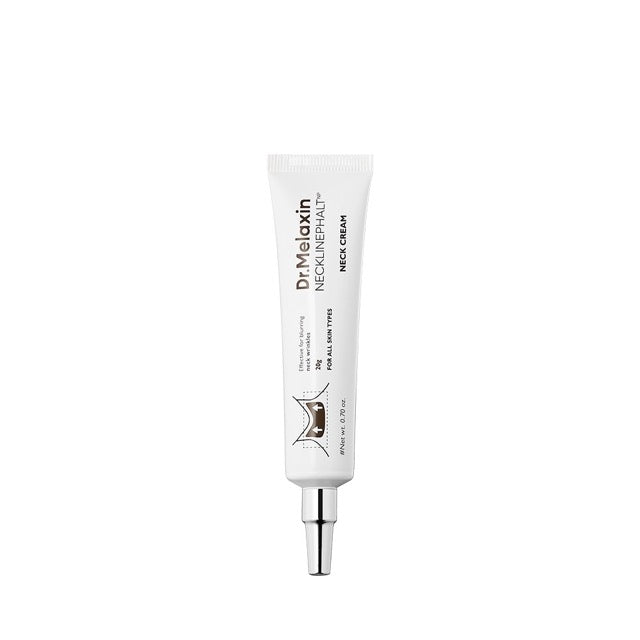
Dr.Melaxin Necklinephalt Neck Cream 20ml
A dedicated neck-cream option to compare when a separate neck step is the format you prefer.
View product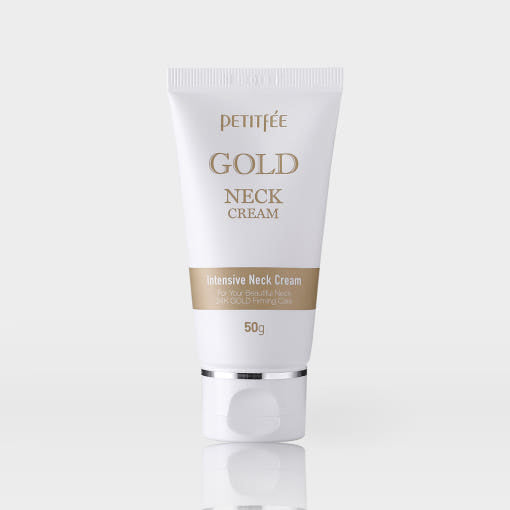
PETITFEE Gold Neck Cream 50ml
Another purpose-labeled neck cream. Compare its stated directions and texture with your existing routine.
View product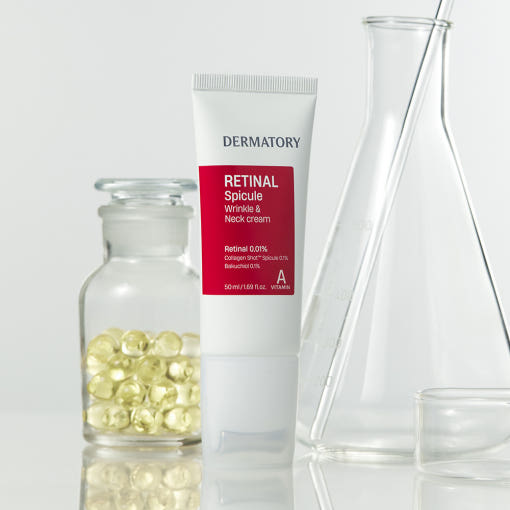
DERMATORY Retinal Spicule Wrinkle & Neck Cream 50ml
A more active-focused option to assess carefully against the ingredient list, directions, and personal tolerance.
View product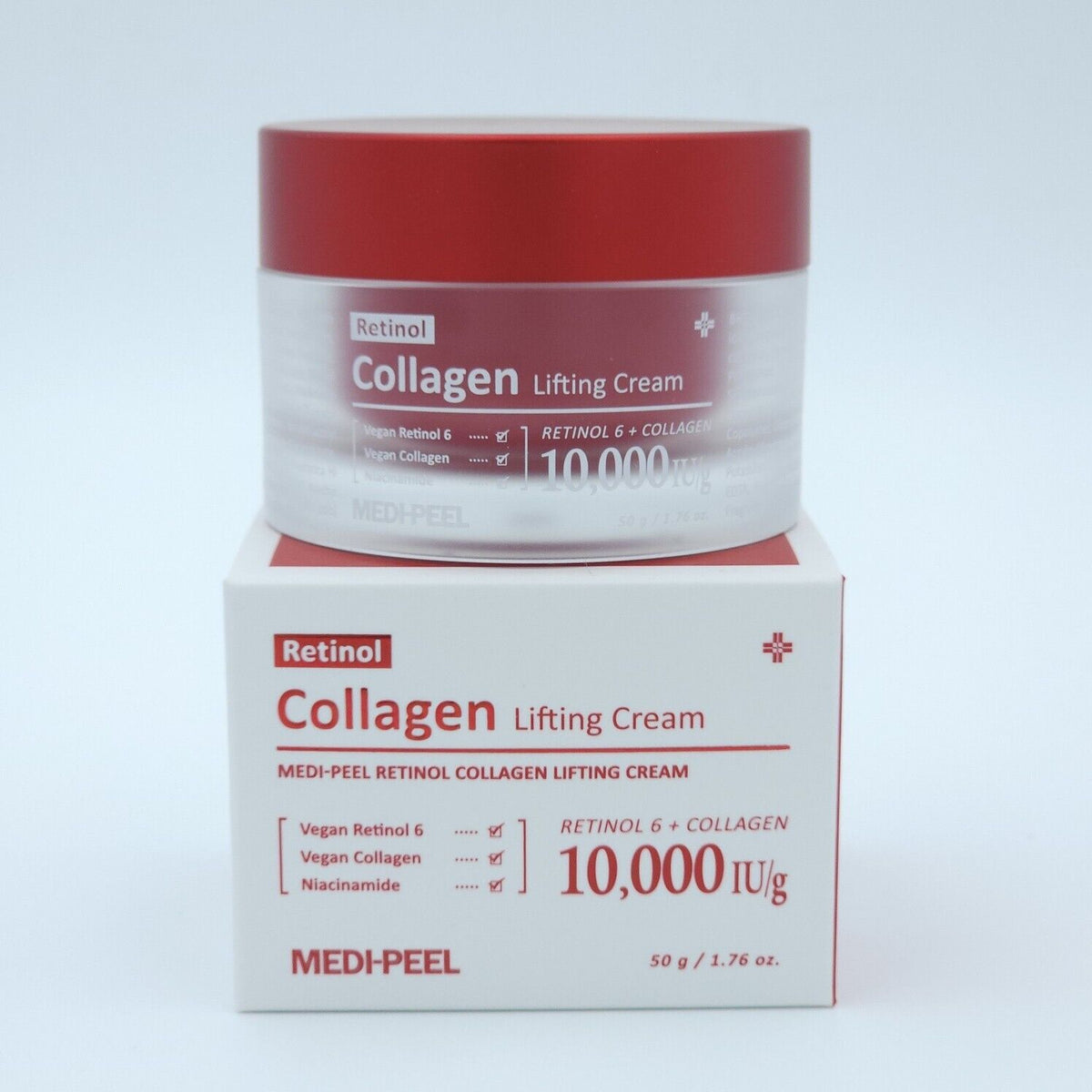
MEDIPEEL Retinol Collagen Lifting Cream 50g
Compare this retinol-named cream only if an active step fits your experience and the maker's instructions.
View product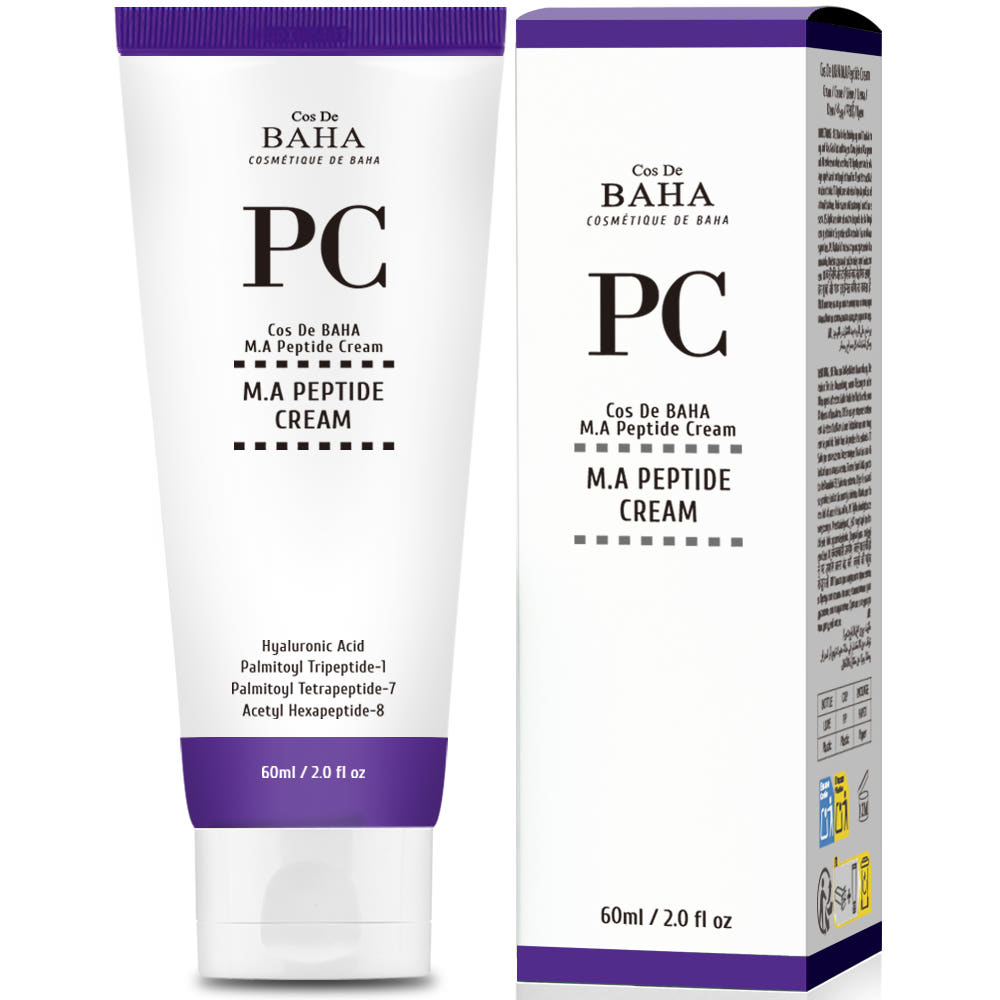
Cos De BAHA PC M.A Peptide Cream 60ml
A peptide-labeled formula to consider when you want to compare a general face cream for neck use.
View product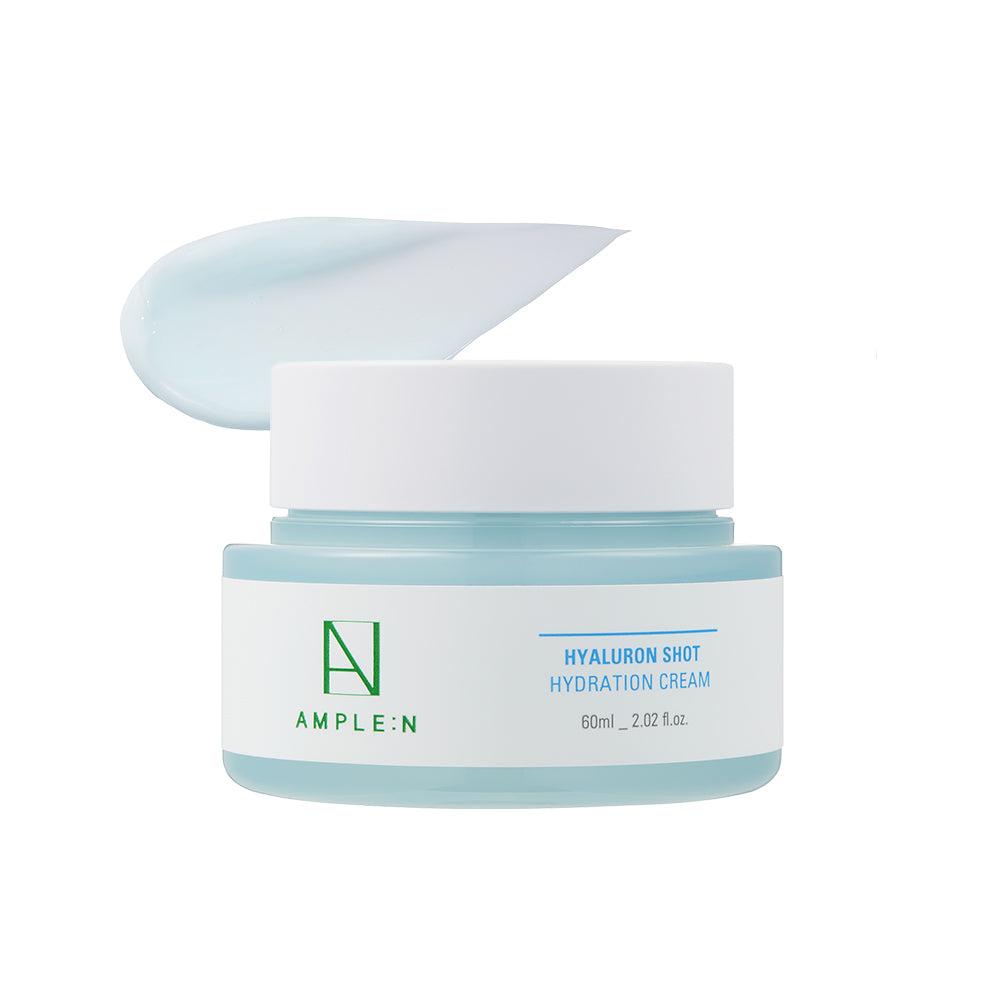
AMPLE:N Hyaluron Shot Hydration Cream 60ml
A hydration-oriented face cream that may be easier to add if you prefer one moisturizer for face and neck.
View product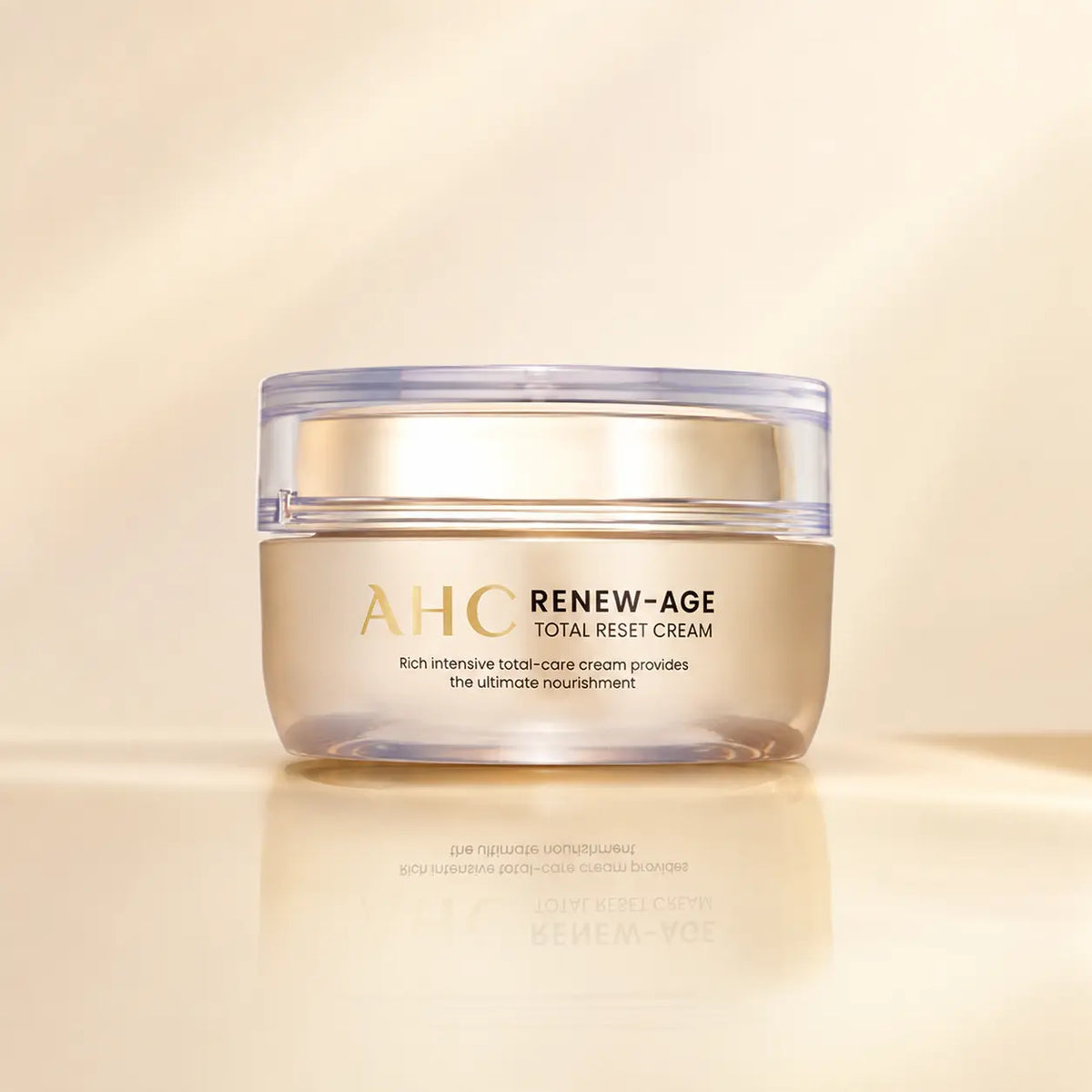
AHC Renew-Age Total Reset Cream 50ml
A general cream to compare for texture, directions, and whether it suits the neck and upper chest.
View product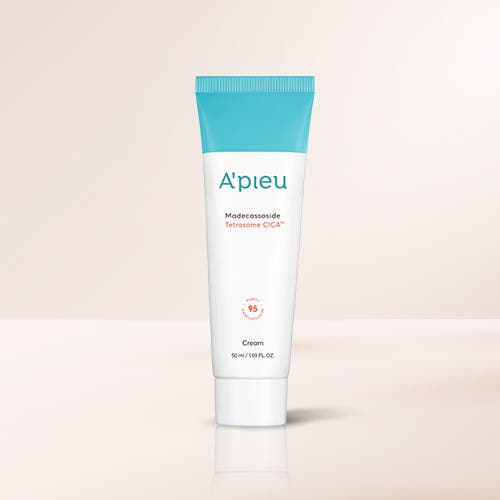
A'pieu Madecassoside Tetrasome CICA Cream 50ml
A general moisturizer option to evaluate when comfort and a familiar application matter most.
View product
belif Classic Collagen Firming Cream 50ml
Compare a collagen-named face cream by its actual formula and feel, not by an implied lifting result.
View product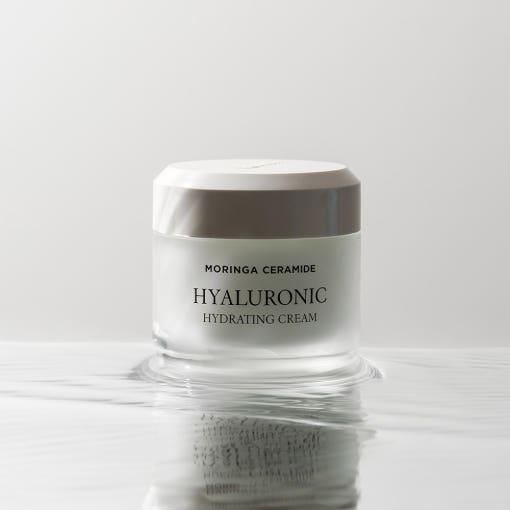
heimish Moringa Ceramide Hyaluronic Hydrating Cream 50ml
A face moisturizer to assess if a straightforward hydration step is more useful than a separate neck product.
View product
Related reading
- Korean skincare routine for mature skin — a broader routine guide that puts moisturizer in context.
- Korean skincare for fine lines: peptides, retinol, and hydration — compare active and moisturizer roles.
- How to choose body skincare products — apply the same texture-and-label checks to body products.
- How much sunscreen should you apply? — review coverage and reapplication for exposed skin.
- Best Korean skincare products for dark spots and uneven tone — separate a cosmetic routine from medical diagnosis.
Common mistakes to avoid

- Buying a separate cream because the body area has a name. A special label is only useful when its formula or directions fit your needs.
- Expecting a topical cream to lift loose skin. Moisture can improve surface comfort and appearance; it cannot reproduce surgery or other in-office procedures.
- Using the face amount on the neck and chest as if it were enough. Follow the sunscreen label and cover all exposed skin; an amount too small to spread evenly may leave gaps.
- Treating SPF in moisturizer as all-day protection. Reapply as directed when outdoors. A morning layer can be inadequate after time, sweating, or wiping.
- Using a new retinoid or spicule cream every night from the start. Follow its label and introduce carefully; reduce or stop if irritation develops.
- Combining many “firming” products at once. That makes irritation harder to trace and does not establish that the combination works better.
- Assuming all changes are ordinary aging. A persistent rash or a new or changing lesion should be assessed by a healthcare professional.
When a cream is not the right next step
Seek clinical advice for a persistent or spreading rash, recurrent burning, marked swelling, painful skin, open areas, or irritation that continues after stopping new products. Ask a dermatologist to assess a new or changing spot, a lesion that bleeds or does not heal, or a patch whose appearance concerns you. A skincare card is not a diagnostic tool. If you have a known skin condition, are using prescription medication, or have recently had a procedure, ask the clinician who knows your history before adding a retinoid, exfoliant, or massage device to the area.
There is also no need to hide a natural neck line or chest texture. Skin creases with movement, age, sun exposure, and individual anatomy. A product can support a routine you enjoy, but your choice should not be framed as a correction you owe anyone.
Frequently asked questions
Can I use my face moisturizer on my neck?
Often, if its directions permit that area and it feels comfortable. Check the label first, especially if it contains retinoids, acids, fragrance, or a spicule applicator.
Does a neck cream work better than a regular moisturizer?
Not automatically. A dedicated neck cream may provide directions or texture you prefer. The name alone does not show that it is more effective than a face moisturizer you tolerate and can use consistently.
What is the best cream for the neck and chest?
There is no universal best product. Choose by the stated application area, texture, ingredient list, tolerance, and routine fit. For dry-feeling skin, prioritize comfort. If you want to try an active, understand its label and potential irritation first.
Can a cream remove neck lines?
No topical cream should be promised to remove lines or lift loose skin. Moisturizing can make the surface look smoother while the product is used; it does not change the underlying anatomy.
Should I put sunscreen on my neck and chest?
Protect exposed skin. The AAD recommends broad-spectrum, water-resistant SPF 30 or higher and reminds people not to forget the neck. Reapply when outdoors according to the label and use shade or protective clothing when practical.
Can I use retinol on my neck?
It depends on the product and your tolerance. A cosmetic retinol or retinal product may irritate; follow its directions and ask a clinician if you use prescriptions, have a skin condition, or are pregnant, trying to become pregnant, or breastfeeding.
Should I massage a neck cream upward?
Follow the specific product directions and use gentle pressure. Massage is not necessary for a moisturizer to work, and vigorous rubbing can irritate skin. A roller or metal applicator should be cleaned as directed and should not be used on broken or inflamed skin.
How long should I try a moisturizer before deciding?
Give a simple moisturizer enough consistent use to judge comfort and whether you like the finish, while keeping other steps stable. Do not keep using it through a clear rash or persistent irritation. Cosmetic surface changes vary, and no particular timeline guarantees a result.
Can one product cover the neck and chest?
It can if the label permits use on both areas, the texture is comfortable, and you can apply enough without irritating the skin or causing unwanted transfer. You can also use different moisturizers for different parts of the routine.
What should I do if a cream burns?
Stop using it, rinse gently if needed, and avoid adding more active products to the area. If burning persists, becomes painful, or is accompanied by swelling or a spreading rash, seek medical advice.
The useful decision
A good neck and chest cream is the product that matches a modest, clear goal and fits your routine without adding avoidable irritation. Decide whether you want basic moisture, a lighter daytime finish, a richer night cream, or a carefully introduced active. Check directions for the actual application area. Keep sun protection separate and reliable. Treat dramatic lift claims as marketing unless they are supported by evidence for the exact product.
If a basic moisturizer is comfortable, a dedicated neck cream may add little. If a targeted formula gives you directions or a feel that helps you stay consistent, it can be a reasonable cosmetic choice. Use the product for the experience and appearance it can plausibly support, and let a dermatologist assess persistent symptoms or changing spots.
0 comments