
Pimple on the Lip: Acne, Cold Sores, and Safe Next Steps
A true acne pimple forms in a plugged hair follicle on skin. A bump on the pink lip or inside the mouth should not automatically be treated as acne. Cold sores, perioral dermatitis, normal Fordyce spots, and other mouth lesions need different care. Avoid picking, keep products off the lip interior, and contact a clinician or pharmacist when the pattern is unclear, unusually painful, recurrent, spreading, near the eye, or not healing.
A bump that looks like a pimple near your lip is not always acne. Start by locating it: is it on the skin above or below the lip, directly on the red part, at a corner, or inside the mouth? A single bump on hair-bearing facial skin may be an acne lesion, but a cluster of tingling fluid-filled blisters can be a cold sore, small persistent pale dots may be Fordyce spots, and a spreading rash around the mouth may have another cause. If you are unsure, do not squeeze it or cover it with an acne patch. First choose the safest next step for the pattern you actually see.
First locate the bump
"On the lip" can describe several neighboring surfaces. The distinction matters because the skin around the mouth is not interchangeable with the red vermilion of the lip or the moist lining inside the mouth.
The external skin above and below the lip is facial skin. It contains follicles and can develop acne, irritation, or a rash. A bump just outside the lip line may therefore be an ordinary acne papule or pustule, especially if similar blackheads or whiteheads appear elsewhere. The pink-red vermilion border is the visible lip surface. The inner lip is oral mucosa. Both look and behave differently from the hair-bearing skin around them. A sore in the mouth, a blister on the vermilion, and a pimple on the chin are not one diagnosis just because all are described as "a lip pimple."
The mouth corners add another location. Cracks, raw areas, or crusting at one or both corners do not have the same pattern as a discrete follicle-centered bump. Repeated licking, saliva, irritation, infection, or other factors may be involved, so recurrent corner symptoms deserve their own assessment rather than a dab of acne treatment.
Before choosing a product, note the exact spot in ordinary light. Is it on intact skin, on the red lip, in the mouth, or at the corner? Is there one bump or a cluster? Is it a blackhead or whitehead, a tender red bump, grouped blisters, small similar dots that have been present for months, or a raw patch? Did it start with tingling or burning? Has it happened before? These observations do not diagnose the lesion, but they help you avoid putting the wrong product on a sensitive area.

Location comes first. A bump on external skin, the red lip, and the inside of the mouth are not interchangeable sites.
What acne actually means
Acne develops in hair follicles when sebum and shed skin cells block the follicle and inflammation follows. The U.S. National Institute of Arthritis and Musculoskeletal and Skin Diseases describes acne as a common skin condition involving blocked follicles and inflammatory lesions. This is why a conventional pimple belongs to follicle-bearing skin, not simply any raised point on the mouth. See the NIAMS acne overview.
A closed comedone, or whitehead, is a plugged follicle that remains closed at the surface. An open comedone, or blackhead, is a plugged follicle open to the surface; its dark appearance is not dirt. An inflamed papule is a small raised bump, while a pustule has visible pus. Those descriptions can help explain what a clinician means by acne lesions, but a consumer cannot confirm a diagnosis from one close-up photo. Skin irritation, infections, and normal variants may resemble a spot.
Acne is not a sign that someone is dirty. Scrubbing harder can irritate the skin without clearing a blocked follicle. Nor does the location of a single spot prove that a specific food, hormone, or cosmetic caused it. If one lesion sits at the edge of the mouth, look at the whole pattern and its timeline rather than blaming lipstick, toothpaste, or a meal without evidence.
A "pimple on the lip" may mean a pimple on the skin just outside the vermilion. That can be acne. A lesion on the red lip itself or inside the mouth deserves more caution. Acne medicine is made for particular external skin uses and can irritate the lip surface or mouth. Follow the medicine label and clinician instructions; do not improvise an application site because a bump happens to be close to a breakout area.

Acne is a follicle-based skin condition; a raised spot is not automatically acne just because it is near the mouth.
Who can get acne around the lip?
Acne can affect people of every race and age, although it is most common during the teen and young-adult years. It may continue into adulthood, and some people first develop acne as adults. The National Institute of Arthritis and Musculoskeletal and Skin Diseases notes that acne during the teenage years is more common in males, while acne that continues into adulthood is more common in women. Those are population patterns, not a way to diagnose an individual bump or infer anyone's health from appearance.
The location still matters more than the search phrase. A follicle-centered lesion on the external skin beside the lip can be acne in a teenager or an adult. A blister on the vermilion border, an ulcer inside the mouth, or a ring of small rash-like bumps does not become acne because someone has had breakouts before. People of all skin tones can get acne, and the visible color of inflammation may differ; compare changes with the person's usual skin rather than relying on a single color cue.
Adult acne can be influenced by several factors, including hormonal fluctuations, family history, some medicines, stress-related flares, and skin or hair products. A single spot cannot identify which, if any, factor is involved. Do not stop a prescribed medicine or change hormonal medication because of a bump. If breakouts repeatedly follow a pattern, bring that timing and a current product-and-medicine list to a clinician.
Pregnancy or trying to become pregnant changes the safety discussion. Some acne medicines are not appropriate during pregnancy, including some products that may be available without a prescription. Ask a dermatologist, prescriber, or pharmacist before starting an acne medication in that situation. This advice applies to confirmed acne on external skin; it is especially important not to experiment with a medicine on the lip itself.
Pattern clues: acne, cold sore, rash, or normal spot?
No single appearance cue proves what a bump is. Use the comparison as a reason to pause, not as a home diagnosis.
| What you notice | Why it may matter | Safer next step |
|---|---|---|
| One bump on external facial skin, possibly with a blackhead or whitehead | This can fit an acne-type follicle lesion, especially when similar lesions occur elsewhere | Avoid squeezing; use only products labeled for that external skin area, and stop if the skin becomes irritated |
| Tingling, burning, or itching followed by grouped fluid-filled blisters around the lip | This pattern is more consistent with a cold sore than a comedone; cold sores are contagious | Avoid direct contact and sharing lip items; ask a pharmacist or clinician about appropriate care, particularly early in the outbreak |
| Several similar small red bumps around the mouth with dry, flaky, burning, or tight skin | Periorificial dermatitis can look acne-like and may involve the skin around the mouth | Do not layer acne actives or topical steroids on your own; seek clinician guidance if persistent or spreading |
| Tiny pale or yellow-white dots that have been present for a long time, often in groups on the lip border | Fordyce spots are visible oil glands and are usually a normal variant, not an acne infection | Do not squeeze or treat a stable normal-looking pattern as a breakout; ask a clinician if it is new or changing |
| A sore on the inner lip, an ulcer, or a bump that is not on external skin | Mouth ulcers and other oral lesions are not the same as facial acne | Keep facial acne products out of the mouth; ask a dentist or clinician if painful, recurrent, or slow to heal |
| Cracks or a raw area at a corner rather than one raised follicle | A corner rash has a different set of possible causes | Avoid using a pimple patch as a diagnostic tool; get advice if it recurs or worsens |
Cold sores often start with tingling, itching, or burning; painful blisters may follow. The NHS says they are contagious from the first warning signs until fully healed and advises avoiding kissing during that time. The NHS cold-sore guide and MedlinePlus oral-herpes information describe common features and precautions. A cold sore is caused by herpes simplex virus; it is not a clogged pore, and an acne patch does not treat the virus.
Periorificial dermatitis is an inflammatory rash that can form small acne-like papules around the mouth, nose, or eyes. DermNet notes that the immediate lip border is often spared, although patterns vary, and that acne, contact dermatitis, and other conditions are among the differential diagnoses. That overlap is one reason not to diagnose a ring of bumps by counting them or matching them to a social-media image. See DermNet's periorificial dermatitis overview.
Fordyce spots are visible ectopic oil glands without hair follicles. DermNet describes them as small, pale or yellowish papules that can occur on the vermilion border and are generally harmless. A steady pattern of tiny dots is different from a newly inflamed single bump. Do not pick at them or use acne products to "clear" normal anatomy. Read DermNet's Fordyce-spots guide.

A pattern is a reason to pause and compare location and timeline, not a way to diagnose yourself from one image.
If it might be a cold sore
A cold sore can feel familiar to someone who has had one before, but the first episode or a different-looking episode can be confusing. A tingling or burning warning feeling followed by a group of small blisters around the lip is a common cold-sore sequence. Blisters may break and crust while healing. That sequence differs from a blackhead or whitehead, which is a plugged follicle. The NHS notes that cold sores are usually contagious until completely healed.
If a cold sore seems possible, do not share lip balm, lipstick, utensils, drinks, towels, or other items that touch the area. Avoid kissing or oral sex while a sore is active, and wash your hands after touching the lesion. Avoid touching your eyes after touching the sore. These steps reduce opportunities for spread; they do not establish how or when a person acquired HSV. HSV infections are common, and symptoms may recur long after an earlier infection.
Antiviral treatment decisions depend on the person and timing. MedlinePlus notes that prescription antivirals can shorten symptoms and work best when started early. A pharmacist or clinician can explain what is appropriate where you live. Do not replace that advice with an acne active, a spot patch, toothpaste, alcohol, or an essential oil. If a sore is near the eye, symptoms are severe, the person has a weakened immune system, or an infant is affected, contact a health professional promptly. The MedlinePlus oral-herpes page lists additional situations that warrant medical advice.

A sequence over time can be more informative than a single snapshot. If the pattern is unfamiliar, seek qualified advice.
Why the area around the mouth can look acne-like
Periorificial dermatitis can create clusters of small red or skin-colored bumps around the mouth. Dryness, scale, burning, tightness, or sensitivity may accompany them. Unlike a typical acne pattern, comedones are not usually the defining feature. Still, appearance overlaps with acne and contact irritation. DermNet notes that clinicians distinguish these possibilities from the distribution, history, examination, and sometimes additional tests.
Because several factors can be relevant, a product experiment can make the picture harder to interpret. A new toothpaste, cosmetic, topical medicine, inhaled or nasal steroid exposure, or repeated friction may be part of a clinician's history. This does not mean a specific product caused a particular rash. It means that if a group of bumps persists, spreads, burns, or repeatedly returns, it is useful to bring a list of recent products and medicines to an appointment.
Do not start, stop, or taper a prescribed steroid based on a blog post. DermNet describes steroid use as a common association and explains that treatment decisions require clinician guidance. A rash can flare when a steroid is discontinued, and some medicines need a planned change. If you use a prescribed topical, nasal, inhaled, or oral medication, ask the prescriber or pharmacist before changing it.

A short record of the exact site, start date, and changes can help a clinician understand the pattern.
What to do right now
When the lesion is uncertain, the safest first move is to reduce irritation and avoid spreading anything. Avoid attacking an uncertain spot with several products.
- Wash your hands. If you have touched the area, clean your hands before handling food, contact lenses, or personal items.
- Stop squeezing and scraping. Picking can break the surface and cause more inflammation. It also cannot tell you whether a lesion is acne, a cold sore, or another condition.
- Pause products directly on the bump. Especially avoid putting facial acne treatments, exfoliating acids, retinoids, or patches on the pink lip, inside the mouth, an open blister, or an uncertain sore.
- Keep routine care gentle. Clean the surrounding face without vigorous rubbing. Avoid trying to dry the area with alcohol, toothpaste, baking soda, lemon juice, or concentrated essential oils. These can irritate; they are not diagnostic tests.
- Notice the pattern. Record when it began, exact location, whether it tingles or hurts, whether there are several similar bumps, and whether anything changed. A clear photo taken in normal lighting can help track change, but it cannot replace an exam.
- Choose the right professional. A pharmacist may advise on a familiar cold sore or an over-the-counter label. A clinician or dermatologist can assess a persistent, recurring, or uncertain skin lesion. A dentist or medical clinician can evaluate a sore inside the mouth.
If a clinician confirms that the bump is acne on external facial skin, follow their instructions or the product's label for that area. Use one new product at a time so that a reaction is easier to interpret. Do not use the absence of immediate results as a reason to apply extra product or to combine multiple spot treatments. A red lip is delicate tissue, not a spare treatment zone.

After touching an uncertain or sore area, wash your hands before touching your eyes or another person.
Should you use an acne patch or spot treatment?
A hydrocolloid patch can be sold for a particular external-skin blemish. That does not make every bump near the mouth an acne lesion, and it does not make a patch an appropriate cover for a cold sore or an oral lesion. A patch can also hide changes that a clinician would want to assess. Read the specific package directions and keep the product away from the lip surface and mouth unless its label explicitly says otherwise.
Leave-on acids, retinoids, benzoyl peroxide, and other acne products have their own directions and irritation risks. Their safe use depends on the product, site, age, other medicines, and individual circumstances. Do not transfer directions from cheek skin to the vermilion or inner lip. Do not layer an acne active underneath a patch to make it "work faster." If a product gets into your mouth or eyes, follow its label's first-aid directions and seek medical or poison-control advice if irritation is significant.
Some pimples are painful, deep, or recurrent and may benefit from professional acne treatment. That is different from experimenting with stronger cosmetics on an uncertain bump. The American Academy of Dermatology's acne resource center separates acne-friendly skin care from treatment selected for the type of blemish. A product card is never a substitute for that distinction.

Keep improvised remedies and facial actives off the red lip, mouth lining, and an open or uncertain sore.
When to get medical advice
Get professional advice if you do not know whether the bump is on the lip skin or inside the mouth, if several types of lesions appear together, or if your own history does not match the usual pattern. Arrange an assessment for a lesion that keeps returning, grows, changes color or shape, bleeds, becomes very painful, spreads, or does not heal as expected.
A cold sore near the eye deserves prompt attention. So does a suspected cold sore in someone with a weakened immune system. The NHS advises medical review for cold sores that are very large or painful, frequent, or not beginning to heal after about 10 days; the exact next step depends on the situation and local care access. Children and people with other health conditions may need different advice.
Seek timely care for fever, spreading redness, marked swelling, pus with worsening pain, difficulty eating or drinking, or signs that a mouth sore is affecting hydration. An online article cannot assess an infection, an allergic reaction, or a lesion that needs testing. If breathing difficulty or a rapidly developing severe allergic reaction occurs, use emergency services.
When you speak with a clinician, mention the exact location, first day noticed, progression, pain/itch/burning, earlier episodes, contact with a known cold sore, recent products, topical steroids, inhaled or nasal medications, and any immune conditions. Bring the product packages or ingredient lists if a product reaction is possible. These details help a professional decide whether the issue is acne, herpes, dermatitis, another infection, or something else.

A clinician can assess the distribution and history when a mouth-area change is persistent, painful, or unclear.
Preventing repeat irritation without overbuilding a routine
A routine cannot prevent every cold sore or every acne lesion. Do not promise yourself that a new cleanser, serum, or balm will make a lip bump impossible. For external facial skin, keep cleansing gentle and avoid repeated scrubbing. If a cold sore has been diagnosed, a clinician or pharmacist can discuss prevention and treatment options; the NHS notes that sunlight can trigger some episodes, and lip sun protection may be useful for some people. Use a lip product as directed and do not share it during an active sore.
If you suspect a cosmetic or oral-care product irritates the area, stop the new non-prescribed product and ask a clinician or pharmacist what to change. Keep a short record instead of removing every familiar product at once. Changing many products together can make it difficult to identify a trigger and may leave sensitive skin exposed to further experimentation.
Choose products by their actual format and directions, not by a marketing word such as "calming," "trouble," or "pore control." Product names do not diagnose a lesion or prove that a formula can treat a virus, dermatitis, or a mouth ulcer. If a clinician identifies acne on the skin beside the lip, products for an ordinary facial routine may be worth comparing for that external skin. They are not mouth treatments.
The product examples below come from the current ProtoClinical acne collection. They are included as catalog examples only for intact external facial skin. None of these products is presented as a treatment for cold sores, oral lesions, Fordyce spots, or perioral dermatitis. Do not apply them on the red lip or inside the mouth. Review each live product page for the current formula and directions, and do not buy a full routine just because a single bump appeared.
External-skin routine formats to compare

Only compare routine formats after you know the change is on external facial skin and acne is a reasonable fit.
These linked catalog examples are for comparing routine formats on intact external facial skin. They are not treatments for cold sores, oral lesions, Fordyce spots, or an uncertain bump. Do not apply them on the red lip or inside the mouth. Check each live product page for current directions.
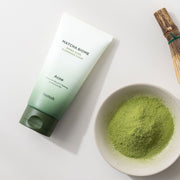
heimish Matcha Biome Amino Acne Cleansing Foam 150ml
150 ml rinse-off facial foam; not a lip treatment.
- Best for
- Readers comparing wash-off facial cleansing formats.
- Format
- Rinse-off foam cleanser
- Difference
- It is rinsed away; it is not a spot treatment and should not be applied inside the mouth.
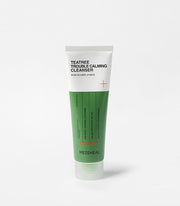
MEDIHEAL Teatree Trouble Calming Cleanser 120ml
120 ml cleanser format; compare its current use directions.
- Best for
- Readers comparing facial cleanser formats for intact external skin.
- Format
- Rinse-off cleanser
- Difference
- It is a wash-off step, not a treatment for an uncertain bump or lip lesion.
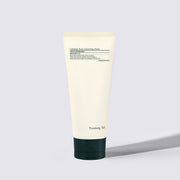
[Pyunkang Yul] Calming Acne Cleansing Foam 100ml
100 ml wash-off foam; external facial use only as directed.
- Best for
- Readers comparing wash-off facial cleansing formats.
- Format
- Rinse-off foam cleanser
- Difference
- It is rinsed away; it is not a spot treatment and should not be applied inside the mouth.
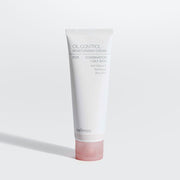
celimax Oil Control Moisturizing Cream 80ml
80 ml leave-on cream format; its title describes an oil-control positioning, not a medical promise.
- Best for
- Readers comparing cream textures for a facial routine on intact skin.
- Format
- Leave-on cream
- Difference
- A moisturizer format is not a treatment for an uncertain bump or lip lesion.
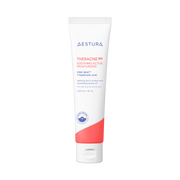
AESTURA THERACNE 365 SOOTHING ACTIVE MOISTURIZER 60ml
60 ml leave-on moisturizer; not for a lip lesion.
- Best for
- Readers comparing cream textures for a facial routine on intact skin.
- Format
- Leave-on cream
- Difference
- A moisturizer format is not a treatment for an uncertain bump or lip lesion.
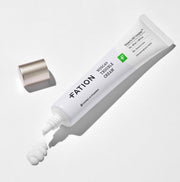
FATION Nosca9 Trouble Cream 45ml
45 ml cream format listed in the acne collection; not an acne diagnosis or lip-sore treatment.
- Best for
- Readers comparing cream textures for a facial routine on intact skin.
- Format
- Leave-on cream
- Difference
- A moisturizer format is not a treatment for an uncertain bump or lip lesion.
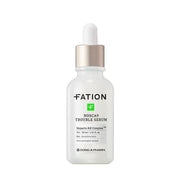
FATION Nosca9 Trouble Serum 30ml
30 ml leave-on serum format; keep away from mouth and use only as labeled.
- Best for
- Readers comparing a serum format for a facial routine on intact skin.
- Format
- Leave-on serum
- Difference
- A serum is not a diagnostic step or a treatment for a cold sore or oral lesion.
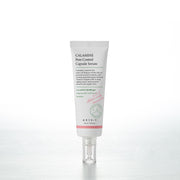
AXIS-Y CALAMINE Pore Control Capsule Serum 50ml
50 ml serum format; a catalog option for a facial routine, not a lip-bump therapy.
- Best for
- Readers comparing a serum format for a facial routine on intact skin.
- Format
- Leave-on serum
- Difference
- A serum is not a diagnostic step or a treatment for a cold sore or oral lesion.
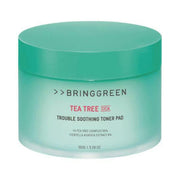
BRINGGREEN Tea Tree Cica Trouble Soothing Toner Pad 90P
90-pad leave-on pad format; do not swipe over the lip itself.
- Best for
- Readers comparing a pad format for a facial routine on intact skin.
- Format
- Toner pad
- Difference
- A pad is a leave-on format; keep it off the lip itself and follow the PDP directions.
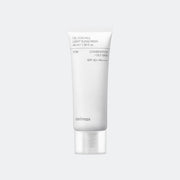
celimax Oil Control Light Sunscreen SPF50+ PA++++ 40ml
40 ml face sunscreen with SPF50+ PA++++ in the PDP title; follow the label on intact external skin.
- Best for
- Readers comparing a sunscreen format for intact external facial skin.
- Format
- Face sunscreen
- Difference
- Its listed role is sun protection; it is not an acne or lip-lesion treatment.
Browse the verified acne and breakout collection, facial cleanser collection, face moisturizer collection, lip-care collection, and Korean sunscreen collection. The acne patches and spot-care collection is for the format decision only; check package directions and never put a facial acne patch on the lip itself or inside the mouth.
Questions people ask
How do you get rid of a lip pimple safely?
First work out whether the bump is on the hair-bearing skin beside the lip, on the red lip, at a corner, or inside the mouth. If it is on external skin and the pattern resembles a mild acne lesion, do not squeeze it. Clean the surrounding area gently, then use only a product whose label permits that external-skin site. Keep acne medicines off the vermilion and oral mucosa, and do not layer several actives or put a patch on an uncertain blister. A patch cannot confirm acne or treat a cold sore.
If you are not sure what the bump is, the safer way to get rid of it is to stop adding products and arrange the right advice. A pharmacist or clinician can discuss a familiar cold sore and whether an antiviral is appropriate; a dermatologist can assess recurring, deep, painful, or scarring acne; and a dentist or clinician can assess a persistent sore inside the mouth. AAD guidance notes that some over-the-counter acne treatments take consistent use over weeks to reduce breakouts. That general treatment timeline is not a reason to wait on a changing, painful, or uncertain lip-area lesion.
How do I know whether it is a pimple on my lip or a cold sore?
Location and pattern help, but they cannot confirm a diagnosis. A single follicle-style bump on external facial skin may be acne. Tingling or burning followed by a cluster of fluid-filled blisters around the lip is a common cold-sore pattern. A sore inside the mouth, a spreading ring of small bumps, or persistent pale dots can mean something else. If the surface is the red lip or you are unsure, avoid acne products and ask a clinician or pharmacist.
Can I pop a pimple on my lip?
Do not squeeze it. A bump near the mouth may not be acne, and squeezing can break the skin, increase irritation, and spread infectious material if the lesion is a cold sore. If it is an acne lesion on external skin, picking still risks making the inflammation worse.
Can I put benzoyl peroxide, salicylic acid, or retinoid on the lip?
Do not apply an acne product to the vermilion, inside the mouth, or an open or uncertain sore unless a clinician or the product label specifically directs that use. Product directions vary. Keep the product away from eyes and mucosa and ask a pharmacist if the application site is unclear.
Does toothpaste dry out a lip pimple?
Toothpaste is not a proven acne treatment. It may irritate delicate skin and does not tell you what the bump is. Avoid improvised spot remedies such as toothpaste, rubbing alcohol, lemon juice, baking soda, or essential oils.
Can a hydrocolloid patch cover a cold sore?
An acne patch does not treat herpes simplex and should not be used to decide whether a lesion is acne. Do not cover a suspected cold sore with a facial acne patch. If you are considering a patch for a confirmed acne lesion on external skin, follow its specific directions and keep it off the lip itself and the mouth.
Why do I keep getting bumps around my mouth?
Possible explanations include acne on external facial skin, irritation, periorificial dermatitis, or another skin or oral condition. Toothpaste, cosmetics, steroid medicines, friction, or other factors may matter in some cases, but one bump cannot identify its cause. Recurrent or spreading clusters deserve a professional assessment.
Are small pale dots on the lip always pimples?
No. Fordyce spots are a common normal variation of visible oil glands on the vermilion border. If dots are long-standing and similar, do not squeeze or treat them as acne. New, changing, painful, bleeding, or ulcerated areas should be assessed.
When should I seek care?
Ask a clinician when the site or pattern is unclear, when lesions recur or spread, or when a sore becomes unusually painful, changes, bleeds, or does not heal. Seek prompt advice for a suspected cold sore near the eye, a weakened immune system, severe symptoms, fever, or difficulty eating or drinking. A clinician can distinguish conditions that look similar and decide whether testing or medication is useful.

Choose the next step from the location and pattern. When neither is clear, pause products and ask a professional.
Related reading
Sources and scope
This is general educational information, not a diagnosis or individual treatment plan. The location and appearance of a bump do not establish its cause. The primary references used for the distinctions and escalation guidance are NIAMS on acne, MedlinePlus on oral herpes, the NHS cold-sore guide, and DermNet on periorificial dermatitis and Fordyce spots. Store product names, sizes, images, and PDP URLs come from linked public ProtoClinical pages opened on 2026-09-30. Product listings are included only as routine-format examples for external facial skin and are not evidence of clinical efficacy.
0 comments