
A closer look at pimples on the outer nose
Pimples on the Nose: Common Causes and What Location Can't Tell You
Short answer: a pimple on the outer skin of the nose can form through the same acne process seen elsewhere: oil and dead skin cells collect in a pore, and inflammation can turn a blocked pore into a red or tender spot. Hormones, friction, repeated touching, or a product that does not agree with your skin may contribute, but a spot's location alone cannot establish a personal trigger or show that an internal organ is involved. A bump inside a nostril is a different question. It may not be acne, and cosmetics or acne treatments should not be put inside the nose.
Searches such as "what causes pimples on nose," "causes of pimples on the nose," and "nose pimple causes" sound as if the nose has a special explanation. Usually, the useful first question is more basic: is the bump on the outside skin, or inside the nostril? After that, think about the familiar acne process and any repeatable changes in contact, products, or routine. A single bump cannot reliably identify which of those mattered.

First, locate the bump precisely
"On my nose" can mean the bridge, tip, sidewall, crease beside a nostril, the rim, or the lining just inside the opening. These are not interchangeable places. This guide is about the external skin that you can see and wash as part of your face. The nostril opening transitions to delicate tissue; a sore or pimple on that inner surface needs a different kind of judgment.
That distinction matters because the appearance of a bump is not a diagnosis. A clogged pore, inflamed acne lesion, irritated follicle, minor injury, or infection can all be described casually as a "pimple." Location and color alone cannot sort them with confidence. If the lesion is inside the nostril, crusted, bleeding, very painful, or accompanied by swelling, do not test acne products on it. The brief safety note below explains when to contact a clinician.
The nose also attracts attention because it sits at the center of the face and reflects light. A small change can look dramatic in a mirror or close-up photograph. That visibility does not mean the bump is more informative about your health than acne elsewhere.
How an ordinary acne bump can form on the nose
Acne begins in a pilosebaceous unit, the skin structure built around a hair follicle and its oil-producing sebaceous gland. Dead skin cells and sebum can collect in the follicle opening. If the opening remains partly closed, the buildup may appear as a whitehead; if it stays open and the surface material darkens, it may look like a blackhead. A blocked pore can also become inflamed. That inflammation may make a spot red, swollen, or sore. The American Academy of Dermatology describes these common acne lesions and their pore-related development in its overview of acne signs and symptoms.
Hormones can affect oil production. Androgens rise during puberty and are present in people of all sexes; for some people, hormonal shifts can increase sebum and make acne more likely. This is a general mechanism, not a test that lets you infer a hormone problem from a single pimple on the tip or bridge of the nose. A dermatologist would consider the broader pattern, timing, symptoms, and medical history rather than diagnose from a location.
Not every pore that looks dark or raised is an inflamed pimple. Normal pores and sebaceous filaments can be especially visible on the nose. A cluster of evenly spaced grayish dots that looks similar from day to day may be something other than a new acne outbreak. By contrast, a single new red bump, a tender spot, or a visible plug may fit a different pattern. Even these clues are not conclusive: lighting, skin tone, magnification, and picking can alter what you see.

Why a nose pimple does not point to one special cause
Acne can show up in areas with oil-producing follicles, and the same lesion types may appear on the forehead, cheeks, chin, chest, or back. The Cleveland Clinic's discussion of face mapping notes that the nose and forehead share an oilier T-zone with larger pores and more sebaceous glands. That pattern can make location a useful clue to observe, but a single spot cannot establish its cause or tie it to an internal organ; a face map is not a diagnosis.
The visible location can still help with practical observation. If bumps repeatedly line up under a mask edge, sit where glasses rest, or appear after a new product is applied to the nose, those patterns can be worth tracking. A pattern is a clue to investigate, not proof. It is more useful to note what changed and whether the timing repeats than to start several new treatments and guess which one helped.
For broader background on oil, hormones, and commonly discussed influences, see the already-published guide to what causes acne. This nose-focused article adds location-specific boundaries rather than repeating that general explanation.
Possible contributors worth checking
There is no reliable way to name the cause of a particular nose pimple from a photograph or one day of symptoms. The possibilities below are useful as a checklist, not a scoring system. More than one factor may be present, and a breakout can occur without an obvious recent change.
1. Your usual acne pattern and oil production
People who already get acne may see it on the nose as well as other parts of the face. Hormonal changes can affect oil production and acne activity. If nose spots arrive with a wider pattern of whiteheads, blackheads, or inflamed blemishes, that broader history is more informative than the nose location alone. The AAD overview of acne causes explains that hormones and oil can play a role across acne-prone areas.
2. Makeup, sunscreen, skin care, or hair products touching the area
Some makeup, skin care, and hair care products can contribute to acne-like breakouts in some users. Foundation or concealer may sit over the nose; sunscreen can collect around creases; hair products can transfer when bangs or hands touch the face. This does not mean all makeup or sunscreen causes acne. The American Academy of Dermatology explains that some cosmetics can cause acne cosmetica and that finding the responsible product can be difficult because several exposures may overlap. A "non-comedogenic" or "won't clog pores" label may be a useful selection clue for many people, but it is not a guarantee for every individual.
If the timing makes a new product worth reviewing, record when you began using it and where it touches. Avoid changing an entire routine at once, because that makes the pattern harder to interpret. If you suspect a prescription medicine or a health condition, speak with the prescriber rather than stopping treatment on your own.
3. Pressure, friction, warmth, or repeated contact
Glasses, protective equipment, a face covering, or repeated rubbing can add contact and friction around the bridge, sides, or tip of the nose. The AAD's overview of acne mechanica and sports equipment explains that equipment or clothing can trap heat and sweat while repeatedly rubbing skin. Applying that general idea to a particular pair of glasses or mask is an inference, not a diagnosis. It becomes more plausible when the same area is affected repeatedly and the timing follows sustained pressure or rubbing.
Contact can also come from less obvious habits: resting a finger against the nose, wiping sweat with a sleeve, or handling a phone and then touching the face. These actions do not make acne inevitable. They are possible ways to irritate skin or transfer residue. Observe gently; do not scrub harder to compensate.
4. Picking, squeezing, or trying to extract a plug
It can be tempting to squeeze a visible whitehead or blackhead on the nose because it is easy to see. Squeezing can increase inflammation, make a spot take longer to settle, and raise the chance of infection, dark marks, or scarring. The AAD advises keeping hands off active acne and cautions against popping lesions. Extraction tools can injure nearby skin, especially when the diagnosis is uncertain or the bump is deep.
5. Overwashing, harsh rubbing, or stacking too many products
Trying to "degrease" the nose with repeated washing, abrasive scrubs, drying alcohol, or multiple exfoliants may irritate the skin. Irritation can make redness and roughness more noticeable and can be mistaken for more acne. AAD guidance favors gentle, non-abrasive cleansing and warns that excessive washing or scrubbing can irritate acne-prone skin. More steps do not necessarily mean more control. A sudden jump in strong products also makes it difficult to tell what is causing discomfort.
6. Stress, sleep, food, or medication: context, not a quick diagnosis
Stress is not considered a direct cause of acne, although it may worsen existing acne for some people. The AAD overview of acne causes also notes that too little sleep, certain foods, and oily products may worsen acne in some cases. Those statements do not mean that one stressful week or one meal explains an isolated nose pimple. Avoid restrictive food rules based on one spot. If breakouts begin after a prescription or supplement change, ask the prescribing clinician whether it could be relevant; do not discontinue a prescribed medicine without their guidance.

Use timing and repetition, not face mapping
A useful note is concrete: "Three small bumps appeared where my glasses rest after a week of longer wear," or "I started a new base product on Monday and noticed several closed bumps over the following weeks." A less useful note is "nose means liver" or "sugar caused this one." The first description can be checked against future days. The second turns an unverified explanation into a conclusion.
Keep a short record of the date, exact location, whether the surface was external or intranasal, what the bump felt like, products applied to the area, and any repeated rubbing or pressure. Record changes without repeatedly touching or photographing the lesion at extreme magnification. A few weeks of low-effort notes may help you and a clinician see whether a pattern exists. One pimple, even a memorable one, is weak evidence for a specific trigger.
If a product seems suspect, note its full name and when it began. Do not remove medically necessary products or medications without guidance. If you have recurring or widespread acne, a clinician can review the complete picture and discuss treatment options. This guide does not replace that assessment.

Change the question from "What does my nose mean?" to "What changed?"
That wording keeps the investigation grounded. Ask what touched the exact area, whether the same event happened before, and whether the bump is external. A newer product is only one possible clue. Regular glasses, a face covering, wiping, sweat, and other repeated contact may matter, while a bump can also arise without a visible trigger.
Try not to create a test that irritates the skin. Do not deliberately reapply a product you believe caused a strong reaction, and do not remove essential medication or sun protection without advice. If you choose to pause a nonessential cosmetic because the timing looks relevant, keep the rest of the routine stable enough to interpret what happens. If the condition is painful, recurring, or not behaving like ordinary acne, get an assessment instead of continuing the experiment.
What the visible pattern can and cannot tell you
| What you notice | What it may help you ask | What it cannot prove |
|---|---|---|
| A spot where glasses or a mask repeatedly press | Is there a repeatable friction or heat pattern? | That friction is definitely the only cause, or that acne is confirmed. |
| Several new products touched the nose recently | Which products were applied, and when did the bumps begin? | That the newest product is responsible or that a label guarantees no reaction. |
| Black-looking dots across the nose | Are these longstanding visible pores or sebaceous filaments rather than new lesions? | A diagnosis based on color alone, especially in magnified images. |
| A painful bump or crust just inside a nostril | Could this be an issue for a healthcare professional rather than a skincare routine? | That it is ordinary facial acne or safe to treat with a cosmetic active. |
| A pimple on the nose during a stressful week | Is there a broader recurring acne pattern and any other timing change? | That stress directly caused that one lesion. |
Blackhead, sebaceous filament, inflamed acne, or something else?
Blackheads and whiteheads are both types of comedonal acne, but a visible pore on the nose is not automatically a blackhead. Sebaceous filaments are normal structures that help carry oil through pores; they may look like tiny, relatively uniform dots. They can be more visible on the nose and return after attempts to remove them. Trying to empty every pore can injure the skin without changing the underlying structure.
An inflamed acne papule may be a raised red bump without a visible center. A pustule may have a visible white or yellow head. A deeper nodule can feel tender beneath the skin. These are descriptive terms, not a self-diagnosis. Other skin conditions and irritated follicles can resemble acne. A lesion that rapidly changes, repeatedly bleeds, remains open, crusts, or does not behave like your usual acne deserves professional assessment.
Folliculitis is a broad term for inflammation of hair follicles and has more than one possible cause. It can resemble acne, so the name should not be assigned from a single image. If the bump is in the nostril rather than on the external facial skin, read the next safety section instead of applying an acne label.

What to do while you watch an external spot
For a small bump on the outside skin, keep the next step simple. Wash gently with a non-abrasive cleanser and lukewarm water. AAD guidance says to wash acne-prone skin gently, including after sweating, and avoid rubbing with rough tools. If you wear makeup, remove it before bed. Leave the lesion alone instead of pinching, scraping, or repeatedly checking it.
Review the routine around the area without adding several new treatments at once. Check whether makeup, sunscreen, hair products, glasses, masks, or repeated wiping contact the affected spot. If you are already using acne treatment, follow its package or clinician directions and avoid layering extra products just because the nose looks oily. If a product stings, burns, or produces persistent irritation, stop using it on the affected area and seek appropriate advice.
Keep any acne product on external skin only, and use it only as its label directs. "More" is not a safe shortcut, particularly around the nostril rim. Do not use a patch to seal an inner-nostril sore. If the bump is deep, markedly painful, recurring, spreading, leaving scars, or uncertain, a dermatologist or other clinician can assess what it is and discuss care based on the diagnosis.

Keep external care uncomplicated
A reasonable routine is often simpler than an urgent search for a spot-only fix. Wash gently, rinse, and avoid repeated scrubbing. If you wear makeup, remove it before bed. Keep hands and tools off the lesion. Follow the directions for any acne product you already use, and do not extend those directions into the nostril.
This is not a promise that basic cleansing will clear acne. Persistent acne may need professional diagnosis and treatment. The point is to avoid making a small, uncertain bump harder to understand through harsh washing, multiple new products, or squeezing.
When a nose bump needs professional attention
Arrange a clinical assessment if the lesion is inside the nostril; if there is a sore, crusting, bleeding, significant tenderness, or recurring infection-like bump; or if swelling or redness is spreading. Cleveland Clinic advises contacting a healthcare provider for sores or pimples inside the nostrils and for itching or crusting, with prompt follow-up for fever or spreading redness, soreness, or swelling. Do not wait for a skincare experiment to answer a question about possible infection.
For external skin, consider a dermatologist when bumps are deep or very painful, keep returning, leave scars or lasting dark marks, spread beyond a small area, or remain difficult to identify. A clinician can distinguish acne from other conditions and discuss appropriate treatment. Seek urgent care for rapidly worsening facial swelling, fever with a spreading skin change, or severe symptoms. These are general safety cues, not a diagnosis of what is happening to you.
If you are unsure whether a spot is outside or inside, avoid applying a cosmetic product while you clarify the location. Take note of symptoms and ask a clinician or pharmacist for guidance. Never put products into the nostril based only on a photo, social post, or advice about ordinary facial acne.

A low-noise way to review possible triggers
- Mark the location. Note bridge, tip, sidewall, crease, nostril rim, or inside the nostril. If it is internal, switch to the safety guidance above.
- Describe, do not diagnose. Record whether it is a single bump or several, tender or not, open or closed, and whether it is changing. Avoid squeezing it to "confirm" a plug.
- Note exposures. Write down new makeup, sunscreen, cleanser, hair products, mask use, glasses adjustment, heavy sweating, or repeated contact that actually reached the area.
- Change one nonessential exposure at a time. When safe, this can make a pattern easier to notice. Do not stop prescribed medicine or essential protection without advice.
- Set a sensible follow-up point. If it worsens, becomes painful, recurs, leaves a mark, or remains unclear, ask a clinician rather than continuing experiments.
This process does not prove cause and effect. It helps keep a useful record so a dermatologist can consider the full pattern. Acne can have several contributing factors, and sometimes there is no obvious trigger to remove.
Product examples for reviewing what touches the outer nose
The items below are live product pages on ProtoClinical's public site. They illustrate categories that may appear in a facial routine, such as cleansers, moisturizer, sunscreen, a patch, serum, or makeup. They are not a treatment plan for nose pimples, are not ranked, and do not prove that any formula causes or prevents a bump. Use the cards to check product format and directions if you are auditing what touches external skin. Do not use any cosmetic or acne item inside the nostril. A listed product's current instructions and ingredient panel should be checked on its own page.
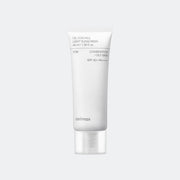
celimax Oil Control Light Sunscreen SPF50+ PA++++ 40ml
Example of a leave-on sunscreen to include when reviewing products applied across the nose. The card makes no claim that this sunscreen treats acne or suits every skin.
View product details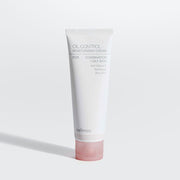
celimax Oil Control Moisturizing Cream 80ml
A moisturizer-format example. If you are checking a new product, note when and where it is applied instead of assuming its name predicts your individual response.
View product details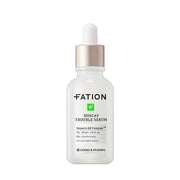
FATION Nosca9 Trouble Serum 30ml
A serum-format example from the breakouts collection. Check its label and directions; the product name does not establish what caused a particular nose bump.
View product details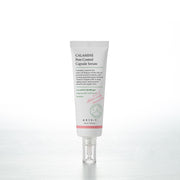
AXIS-Y CALAMINE Pore Control Capsule Serum 50ml
Another leave-on serum example. It is included for routine review only, not as a recommendation to add another active or spot treatment.
View product details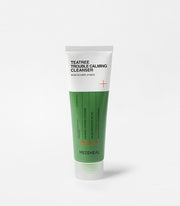
MEDIHEAL Teatree Trouble Calming Cleanser 120ml
A rinse-off cleanser example. Rinse-off format and leave-on format are different exposures; follow the product's own directions.
View product details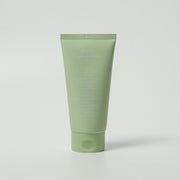
Abib Acne Foam Cleanser Heartleaf Foam 150ml
A second cleanser-format example. It is not a reason to cleanse more often or scrub the nose; gentle use matters more than adding steps.
View product details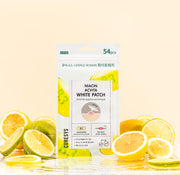
CURESYS Niacin Acvita White Patch 54pcs
A patch-format example for external skin only, when label directions permit. A patch should never be placed inside a nostril or over an uncertain internal sore.
View product details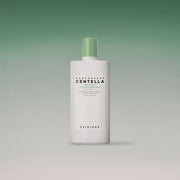
SKIN1004 Madagascar Centella Tea-trica Soothing Sun Milk SPF 50+ PA 50ml
A second sunscreen format for comparison when checking products already used on the nose. No product can be declared non-triggering for everyone.
View product details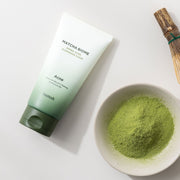
heimish Matcha Biome Amino Acne Cleansing Foam 150ml
A third cleanser example from the public acne selection. Compare current instructions and avoid stacking cleansers or increasing washing to chase oil.
View product details
so natural FIXX COVER PACT SF17 / PA+ 6.5g Peach Pink
A makeup-format example because foundation and cover products can be part of the exposure review. This is not an endorsement or an acne treatment recommendation.
View product detailsRelated collections and guides
These public collection hubs help readers compare categories and formats. They are navigation aids, not evidence that a product cures acne.

What this location cannot tell you
A spot on the nose cannot tell you that your liver, stomach, or another organ is "out of balance." It cannot identify a vitamin deficiency, prove poor hygiene, establish a food intolerance, or reveal that a specific product is the sole cause. It also cannot tell you whether a tender bump inside the nostril is acne. These conclusions require more than a location or a photograph.
What location can do is help you describe a repeated contact pattern and keep external skin separate from the nostril lining. That is enough to make your next question more precise. If the same outer area flares after a recurring exposure, document it. If the lesion sits inside the nostril or has signs of infection, switch to clinical evaluation. If the external bumps persist or scar, a dermatologist can review the complete acne pattern.
Use claims cautiously. A product described as "oil control" is still a product format and marketing name, not proof that it addresses the mechanism of your own breakout. A cleanser containing an exfoliating ingredient is still a rinse-off cleanser, not automatically equivalent to a leave-on treatment. The context and directions matter.

What a clinician can add
A clinician can inspect the lesion in context, ask how long it has been present, review medications and product changes, and check for other affected areas. That information is more useful than trying to map a facial location to an internal cause. If the bump is inside the nostril, a clinician can examine the tissue directly and decide whether a medical condition needs care.
Bring a short timeline rather than a long list of internet theories. Note the first day, whether it has changed, what touches the area, and any tenderness, crusting, swelling, or drainage. If a healthcare professional has already given you a plan, follow their instructions and ask them before changing it.

The practical takeaway
The short answer to "what causes pimples on nose" is usually the same general acne process that can affect other facial skin: oil and dead cells can block a pore, and inflammation may follow. Product contact, friction, hormones, and habits may be relevant, but one spot cannot prove which factor mattered. Keep the skin-versus-nostril distinction clear, avoid squeezing, and seek care for inner-nostril sores or concerning changes.
If your question is really "what causes a pimple in the nose," do not answer it with a face-care routine. A lesion inside the nostril is a reason to ask a healthcare professional, especially if it is painful, crusted, swollen, recurrent, or worsening.
Related reading
Frequently asked questions
What causes pimples on the nose?
On the outer skin, a nose pimple can form when oil and dead skin cells block a follicle and inflammation develops. Hormones, product contact, friction, and touching may contribute for some people. A specific lesion cannot be assigned a cause from location alone.
Can a nose pimple tell me what is happening inside my body?
No. A nose location is not a reliable organ map or a stand-alone hormone test. Consider the broader acne pattern and any repeatable exposures instead of diagnosing from one spot.
Is a bump inside my nostril the same as acne on my nose?
Not necessarily. A sore or pimple inside the nostril can have a different cause, including nasal vestibulitis. Do not apply facial acne products inside the nose. Contact a healthcare professional for an inner-nostril sore or pimple, crusting, pain, or swelling.
Can touching or squeezing make a nose pimple worse?
Picking and squeezing can increase inflammation and raise the risk of infection, dark marks, or scarring. Leave an external lesion alone and get professional advice for a deep, painful, recurring, or uncertain bump.
Does an oily nose mean oil caused this pimple?
Not by itself. Sebum is part of the general acne process, but visible shine or an oily feel cannot identify the cause of one lesion. Overwashing or scrubbing to remove oil can irritate skin.
Should I use a pimple patch on a bump in my nostril?
No. Do not place patches, cosmetics, or acne actives inside the nostril. An internal sore or bump needs clinical guidance rather than a facial-skin product experiment.
Sources and scope
This article uses dermatology guidance for general acne mechanisms and skin-care behavior, and Cleveland Clinic information only for the brief intranasal safety distinction. The direct-to-consumer product pages linked above establish their names, formats, official images, and links; they are not the evidence base for medical claims.
- American Academy of Dermatology: Acne causes
- American Academy of Dermatology: Acne signs and symptoms
- American Academy of Dermatology: Tips for managing acne
- American Academy of Dermatology: Skin-care habits that can worsen acne
- American Academy of Dermatology: Makeup and acne cosmetica
- American Academy of Dermatology: Acne mechanica and equipment friction
- Cleveland Clinic: Nasal vestibulitis
This educational article cannot diagnose a skin lesion. A bump inside the nostril, an uncertain lesion, or a painful, spreading, persistent, or scarring problem deserves advice from a qualified healthcare professional.
0 comments