
Skin health, explained
What Causes Crepey Skin on the Arms?
A careful guide to age-related change, sun exposure, dryness, other possible contributors, and what skin care can-and cannot-do.

Time, exposure, and everyday care
Skin changes rarely have one simple cause.
Age-related change, UV exposure, and dryness can overlap. A routine can support comfort and protect exposed skin, while a clinician can assess a new or unusual change.
Quick answer: what causes crepey skin on the arms?
"Crepey skin" is a descriptive phrase for skin that looks finely wrinkled, thin, loose, or finely crinkled-some people compare it with crepe paper. It is not a diagnosis and does not point to one cause by itself. On the arms, the most common contributors are ordinary changes with age, years of ultraviolet (UV) exposure, and dryness. These factors can overlap. A person's skin type, family traits, the amount of sun their arms have received, and their general health also affect what they notice.
Skin-care products can make dry skin feel more comfortable and look less ashy or temporarily less lined while the surface is moisturized. A lotion cannot restore lost elastic tissue or reliably tighten loose skin. Sunscreen and clothing can help limit additional UV damage, but they do not erase changes that have already accumulated. If a change appears quickly, affects one area in an unusual way, comes with easy bruising, pain, a persistent rash, or a changing spot, seek individualized medical advice instead of assuming it is ordinary aging.
This guide focuses on the phrase "crepey skin on arms" and the question "what causes crepey skin on arms." It explains common contributors, gives a low-irritation approach to everyday care, and describes when a clinician can help sort out a new or concerning change. It cannot tell from a description alone what is happening to any one person's skin.

What does "crepey skin" mean?
People use "crepey" to describe fine, close-set lines and a delicate, slightly crinkled appearance. On an arm, it may be easiest to notice when the skin is dry, when the arm is stretched or bent, or when light falls across it from the side. The word is visual shorthand. It does not identify a particular disease, and it does not tell you whether the underlying change is caused mostly by sun exposure, normal aging, dryness, changes in skin thickness, a medication, or a combination.
Skin has several layers and many jobs: it helps limit water loss, provides a flexible outer covering, senses touch and temperature, and contributes to protection from the environment. The visible surface changes as the deeper supporting structures and the outer barrier change. The Cleveland Clinic's guide to sun-damaged skin describes changes in texture, pigment, and elasticity in areas that receive ongoing exposure. The phrase "crepey" can overlap with those descriptions, but it is not a precise clinical measurement.
Not every fine line is a problem that needs treatment. Arms naturally bend, fold, stretch, and move. Texture also varies across people and across locations on the same body. The skin over an elbow is not expected to look like the skin over the center of the upper arm. Lighting, hydration, temperature, posture, and the way a photograph is taken can all change how much texture appears in a moment. A single close-up image therefore cannot establish a cause or measure a treatment result.
It also helps to separate a surface appearance from a feeling. Someone may see tiny lines but feel no dryness or discomfort. Another person may have flaking, itching, or tightness that makes the texture more noticeable. Those are different observations. A moisturizer may be useful for dry-feeling skin even if the skin's underlying firmness does not change. If the skin is fragile, bruises easily, or changes suddenly, that information matters more than the cosmetic label "crepey."
There is no single universal definition of "crepey skin on arms" used for diagnosis. In clinical language, a professional may instead describe thinning, laxity, fine wrinkling, dryness, sun damage, a rash, or another finding based on an examination. That more specific description helps guide the next step. When asking for help, explain when the change began, whether it is on one or both arms, whether it is changing, and whether there are other symptoms. That is more useful than relying on a cosmetic term alone.
The common causes are usually overlapping
When someone asks what causes crepey skin on the arms, the most useful answer is usually a short list rather than one culprit. Chronological aging can change skin thickness, elasticity, and natural oil production. UV exposure can add photoaging, especially on body areas that are often uncovered. Dryness can make existing surface lines look more obvious. Genetics and individual skin characteristics influence how these changes appear. A person's history and any accompanying symptoms can point toward other possibilities that need professional review.
1. Changes that happen with age
Skin changes gradually over time. Mayo Clinic explains that aging skin tends to become thinner, less elastic, and more fragile, and that reduced natural oils may make it drier. Such changes do not happen at the same age or rate for everyone. Family traits, hormone changes, health conditions, environment, and cumulative exposure all influence the visible result. These broad age-related changes can make fine lines and looseness easier to notice on the upper arms and forearms.
Chronological aging is not the same thing as damage or poor self-care. It is a normal biological process. Care can support comfort and help protect skin from avoidable exposure, but it does not stop aging or make every person's skin behave the same way. Any guide that claims one ingredient or routine can reverse aging for all users is making a stronger promise than the evidence supports.
2. Cumulative ultraviolet exposure
Sunlight includes UVA and UVB radiation. Repeated exposure over years can contribute to photoaging: changes in exposed skin that may include uneven pigment, roughness, wrinkles, reduced elasticity, and a thinner or more fragile feel. The backs of the hands and forearms receive incidental exposure during ordinary activities such as driving, walking, gardening, or sitting near windows. Upper arms can receive substantial exposure during outdoor activity or when clothing leaves them uncovered.
Photoaging and chronological aging can occur at the same time. One person may show more visible sun-related change on the outer forearm than on the skin normally covered by clothing. That does not prove UV exposure is the only cause, but the location and exposure history can be useful context. Sun protection is relevant for skin health regardless of whether a person wants to change the cosmetic appearance of their arms.
3. Dryness and temporary surface dehydration
A dry outer surface can look more finely lined, flaky, or dull than skin that feels comfortable and has been moisturized. Dry indoor air, cold weather, frequent hot showers, harsh cleansers, and friction can make dryness more noticeable. Age-related reduction in natural oils may also contribute. Dryness can coexist with photoaging or age-related changes; it does not automatically explain every fold or loose area.
Moisturizing can improve the feel and appearance of dry skin for a time by supporting the surface's moisture balance. That is a reasonable skin-care goal. It is not the same as rebuilding deeper support or permanently changing laxity. Think of a body lotion as a comfort and maintenance step, not as a diagnosis or guaranteed tightening treatment.
4. Personal variation and context
Skin varies. The thickness, pigment, oiliness, elasticity, and tendency to dryness differ among individuals and body sites. Family patterns may matter. Past sunburns and years of repeated exposure matter. So can the person's recent health history and medications. A difference in appearance does not mean that someone has done something wrong, and a product label cannot account for every individual's response.
The most accurate explanation may be a combination: a normally aging arm with years of outdoor exposure and seasonal dryness, for example. A clinician can look at the pattern, ask about timing and symptoms, and decide whether an additional cause needs attention. Self-diagnosing from a trend term can miss that nuance.

How aging changes the look and feel of skin
As skin ages, it can become thinner and less elastic. Mayo Clinic also notes that lower natural oil production can make older skin drier. Those changes offer a practical explanation for why fine lines may show more clearly, why the surface can feel less supple, or why an arm can look looser than it once did. They do not prove a disorder. The rate and timing vary considerably, so comparing one person's arms with another person's arms is not a reliable way to judge health.
Elasticity describes the way skin stretches and returns toward its earlier shape. It is only one part of the visible picture. Surface moisture, tissue volume beneath the skin, movement, temperature, and lighting all affect appearance. A person may see fine creases in one posture and fewer in another. It is normal for skin to form folds when joints bend; a photograph that freezes a movement can make them appear more dramatic than they look in everyday life.
Skin aging is not confined to the face. The forearms and backs of the hands are often exposed. The upper arms may be covered more often but can still receive sun. These areas also experience friction from clothing, bathing, sports, and daily movement. A simple routine can support the outer barrier, but no topical product can be assumed to restore every structural change associated with aging.
Changes across decades can also be affected by hormonal transitions, including menopause, and by broader health circumstances. Because many influences overlap, it is not possible to identify a single cause from age alone. If a new skin change coincides with a medication change, sudden weight change, illness, or another new symptom, mention the timing to a clinician. Do not stop a prescribed medicine based on an internet article; ask the professional who prescribed it what to do.
It can be helpful to set a realistic goal before buying products. "I want my arms to feel less dry after a shower" is a specific, measurable comfort goal. "I want a cream to erase aging" is an expectation that a cosmetic moisturizer cannot reliably meet. If your main concern is a rapid or unexplained change, evaluation is more appropriate than escalating a skincare routine. If your concern is long-standing texture and there are no warning signs, a low-irritation routine and sun protection are reasonable starting points.
Age-related change is not a verdict about attractiveness or personal worth. Many images in advertising use directional lighting, posed arms, retouching, and smoothing filters. They are not a fair baseline for ordinary skin. The goal of this guide is to explain common causes and offer useful choices, not to persuade anyone that normal skin texture needs correction.

Sun exposure is a major, modifiable contributor
Photoaging refers to changes associated with long-term UV exposure. The Cleveland Clinic notes that sun-damaged skin is commonly visible on exposed areas, including arms, and can show changes such as wrinkles, loss of elasticity, uneven texture, and pigment variation. The underlying biology is complex. UV radiation can reach deeper layers and affect structures that help skin remain resilient. A peer-reviewed review of skin photoaging describes UV as a major external contributor while also emphasizing the role of natural, internal aging.
This does not mean that every crepey-looking arm has photoaging, or that a person can reconstruct their lifetime sun exposure by looking in a mirror. Nor does it mean that one sunburn created a specific cosmetic change. It means that repeated UV exposure is relevant to exposed skin and is one reason daily protection is useful. A history of frequent outdoor work, sports, driving, or intentional tanning may be worth mentioning during a skin examination.
Sun protection is important even when the weather is cool or cloudy. UV exposure can still occur through ordinary outdoor time. The American Academy of Dermatology recommends broad-spectrum sunscreen, SPF 30 or higher, and water resistance when swimming or sweating. Broad spectrum on the label means the product is designed to protect against UVA and UVB. The AAD advises applying enough to cover uncovered skin and reapplying every two hours while outdoors, and after swimming or sweating.
Protection can also come from clothing, shade, timing, and habit design. Long sleeves with a comfortable weave can reduce direct exposure; a hat can protect other areas; shade can reduce exposure during peak outdoor periods. A practical plan combines options instead of relying on a single product. Clothing is especially useful for someone who dislikes the feel of sunscreen on large areas. Sunscreen remains useful for skin that clothing does not cover.
It is important to separate prevention from reversal. Protecting arms now may help limit additional UV damage. It cannot undo prior exposure or promise that existing lines will disappear. A product that advertises "sun damage repair" needs to be read carefully: a moisturizer can hydrate, and some medical treatments may change the appearance of selected findings, but those are different claims. If you have a spot that is new, changing, bleeding, or not healing, sun protection alone is not the right response; arrange a professional assessment.
A person with a history of skin cancer, immune suppression, or a treatment that affects sun sensitivity may need tailored advice. Follow the instructions from the clinician who knows that history. General sunscreen tips cannot replace advice for a specific medical risk. If sunscreen causes a rash, stinging, or persistent irritation, stop using that product on the affected area and ask a pharmacist or clinician about a suitable alternative. Do not respond by applying less than the labeled amount of a product you know you tolerate; instead, select a formula and application method you can use as directed.
Dryness can make lines more visible without being the whole cause
Dryness is one of the most practical contributors to address because everyday habits can make it better or worse. When the outer layer loses water or its surface lipids are disrupted, it may feel tight, rough, flaky, or itchy. Fine lines can appear more prominent on a dry surface. A moisturizer can reduce that dry feeling and leave the skin looking more comfortable for a while. It does not establish why the skin changed, and it cannot be expected to permanently tighten an arm.
Hot, long showers can remove some of the skin's surface oils. Strongly fragranced or harsh cleansers can irritate some people. Repeated scrubbing with a rough cloth may add friction. Low humidity and cold weather can make dryness more noticeable. These factors do not affect everyone the same way; a product that is comfortable for one person may sting or irritate another. Start with the habits that are easy to change: use comfortably warm rather than very hot water, keep washing gentle, and apply a moisturizer if the skin feels dry.
Timing can help. Many people find it convenient to moisturize shortly after bathing, while the skin is clean. There is no need to scrub the arm first or wait for a precise number of minutes. Spread a modest amount over the area and follow the product label. If a moisturizer burns, causes a rash, or seems to worsen irritation, wash it off if practical and stop using it on that area. A clinician or pharmacist can help identify a better option, especially if the skin is already inflamed or broken.
It is useful to notice whether dryness is seasonal, confined to one area, or present across the body. Persistent itching, cracking, widespread scaling, painful redness, or symptoms that disturb sleep deserve more than a cosmetic fix. The Mayo Clinic's general skin-aging guidance suggests moisturizing and using mild soap, while also advising people to report concerning skin changes. If dryness continues despite gentle care, consider seeking an evaluation rather than layering more active ingredients.
"Dehydrated skin" and "dry skin" are used loosely in marketing. A temporary lack of water at the surface is not the same as a diagnosed condition, and a product's "deep hydration" wording is not a clinical assessment. For choosing a basic moisturizer, texture, fragrance, directions, and whether you can use it consistently matter more than dramatic promises. If you have a known allergy or a history of reactions, review the ingredient list and ask a professional when uncertain.
Other factors to consider-and why timing matters
Age, sun exposure, and dryness explain many gradual changes, but they are not the only possible influences. Skin can become more fragile for several reasons, including some medications. Mayo Clinic describes thinning skin and easy bruising among possible side effects of topical corticosteroids, and notes localized thinning or pigment change after steroid injections. These are not reasons to stop a prescription on your own. They are reasons to tell the prescribing clinician what changed, where it changed, how long you have used the medicine, and whether you apply it to the arm.
A change after starting a medication does not prove the medicine caused it. The underlying condition, other treatments, and natural changes can also matter. Bring the medication name and instructions to the appointment, including over-the-counter products and supplements if relevant. A clinician may decide whether the medicine is likely related and whether the plan needs adjustment. Do not reduce a dose, switch application frequency, or abruptly stop treatment because an article mentions a side effect.
Recent changes in body size can alter how skin drapes over the tissue underneath it. That observation is not a judgment about weight or a complete explanation for an individual's skin. It is one context a clinician may ask about when the change is new or prominent. Aging, UV exposure, tissue distribution, and skin's natural elastic properties can interact, and no cosmetic topical can be assumed to recreate lost volume or remove loose skin.
Some health conditions affect the skin, but this guide cannot screen for them, and a visual description alone cannot identify them. A clinician may ask about new symptoms, healing, bruising, pain, medication history, or other changes before deciding whether further assessment is appropriate. Avoid online lists that link every cosmetic texture to a long menu of diseases; that can create worry without helping you distinguish what is actually happening.
The pace of change is an important clue. A gradual, bilateral change over a long period is different from a sudden change on one arm, a rapidly spreading rash, or a new thin area that bruises easily. A difference does not automatically mean an emergency, but it deserves a more careful conversation. When in doubt, write down when you first noticed it and take a well-lit, unfiltered photo for your own comparison or for a healthcare visit. Do not use a photo to self-diagnose.
Crepey texture, loose skin, and rough bumps are not interchangeable
Several different things can be described casually as "crepey." Fine surface lines, visibly loose skin, roughness, scaling, small bumps, and a dry feeling are not identical findings. They can coexist, but each may call for a different discussion. Using more precise words helps you make better choices and helps a clinician understand your concern.
Fine surface lines
These are small, close-set lines that may become easier to see with dry skin or side lighting. A moisturizer may make dry surface lines temporarily less noticeable, but that does not show that deeper support has changed. Observe the skin in ordinary lighting and in a relaxed position rather than relying on magnified images or filters.
Loose or lax skin
Laxity describes skin that hangs or drapes more than before. It can reflect changes in elasticity and in the tissue underneath. A surface lotion cannot be assumed to tighten loose skin. If it bothers you, a dermatologist or another qualified clinician can explain what options, if any, are appropriate and what their limits and risks are. Do not let a product page's "lifted" language stand in for a clinical result.
Dry, rough, or scaly skin
Dryness often comes with tightness, flaking, or itch. Roughness may be felt more than seen. Gentle cleansing and a tolerated moisturizer can be reasonable for uncomplicated dryness. Persistent scale, inflammation, open areas, or pain may need evaluation. Avoid aggressive exfoliation on skin that is already irritated, fragile, or bruised.
Small bumps or a rash
Small bumps on the upper arms are sometimes associated with conditions such as keratosis pilaris, but appearance alone is not enough to diagnose them. A rash may be raised, red, itchy, or sharply outlined; a change in skin color or texture can also occur without a rash. If you are unsure whether you are seeing a long-standing texture or a new eruption, use a neutral description and ask a clinician. Strong exfoliating acids or retinoids can irritate the skin and are not a safe default for an unexplained rash.
Bruising, purpura, and fragile skin
Easy bruising is a separate observation from fine wrinkles. Thin skin may bruise more easily, and some treatments can contribute, but bruising can also have other causes. Mention any new bruising, bleeding, or skin tearing to a clinician, especially if it appears without a clear bump or begins after a medication change. Seek urgent help for severe, uncontrolled bleeding or a serious injury.
These distinctions do not require you to choose a label yourself. They are prompts for better questions: Is the main issue dryness, fine lines, looseness, bumps, a rash, or bruising? When did it begin? Is it changing? What makes it feel better or worse? Clear observations are more useful than buying products based on a broad term.

How to assess a gradual change without chasing every line
If the appearance is gradual and there are no other symptoms, start by observing a few basics. Compare the same area in similar lighting and posture, and look at the skin at a normal conversational distance. Note whether it is one arm or both, the inner or outer arm, and whether the skin feels dry or uncomfortable. Remember that cameras, overhead lights, and close-up magnification exaggerate texture. An image is a record of appearance, not a diagnosis.
Think about exposure and routine. Are the forearms uncovered during walks or driving? Has the weather become drier? Did bathing habits, soap, detergent, or moisturizer change? Was there a new medication, a new topical, a recent illness, or an abrupt change in the skin's behavior? You do not need to keep a detailed diary forever. A short note can make a healthcare conversation more concrete.
Do not repeatedly stretch, pinch, or rub the skin to "test" elasticity. Repeated manipulation can irritate fragile skin and will not provide a reliable measurement. Do not compare your arm with heavily edited photos, before-and-after marketing images, or a different person's body. If you take a photograph for a clinician, use a neutral distance, natural light if possible, and no filter. Save it securely and avoid posting private health images publicly.
When the main concern is cosmetic and stable, you may choose to focus on comfort, sun protection, and realistic expectations. If the texture changes rapidly or the skin becomes tender, intensely itchy, swollen, bruised, ulcerated, or otherwise unusual, step out of the beauty routine mindset and seek medical advice. A clinician can examine the area and decide whether it needs further evaluation.

A practical, low-irritation approach to arm care
A simple routine is often more sustainable than a stack of corrective products. For many people, the basic sequence is gentle cleansing when needed, moisturizer if the skin feels dry, and sun protection on exposed areas. The purpose is comfort and prevention of avoidable irritation or UV exposure. It is not a promise to reverse age-related changes or tighten the arm.
Keep cleansing gentle
Use comfortably warm water rather than very hot water, and avoid scrubbing the arm to remove normal texture. A mild cleanser may be sufficient for daily washing. If the skin is not oily or visibly soiled, it may not need repeated cleansing throughout the day. Pat rather than vigorously rub with a towel. These habits reduce avoidable friction, which can matter when skin is dry or fragile.
Choose a moisturizer for use, not a dramatic promise
Look for a texture you will actually use on a broad area. A fluid lotion can feel quicker to spread; a cream may feel richer. Fragrance may be pleasant to some users and irritating to others. Read the directions and ingredient list, especially if you have allergies or have reacted to cosmetics before. A moisturizer may help with dry-feeling skin. Claims about visible tightening, rebuilding collagen, or changing a medical condition require evidence beyond an attractive product description.
There is no single best arm moisturizer for every person. A product is a poor match if it stings, causes itching, leaves an uncomfortable film, or is difficult to apply consistently. If a new product causes a reaction, stop using it on the affected area. A patch test can be a cautious first step for a new leave-on cosmetic: apply a small amount to a limited area as directed by the product or a clinician, and watch for a reaction before using it broadly. Patch testing does not guarantee that a product will never cause irritation or allergy.
Do not treat "more active" as "more effective"
Exfoliating acids, retinoids, and other active ingredients can irritate skin, particularly when several are used at once or when the skin barrier is already uncomfortable. Do not apply a face treatment to the arms simply because the ingredient is popular. Confirm that the product is intended for the body, follow its label, and consider professional guidance if you are pregnant, nursing, taking a photosensitizing medication, or have a skin condition. If the skin is broken or inflamed, avoid experimenting until it has been assessed or healed.
Starting one product at a time is easier to interpret than changing multiple steps at once. Use the least complex routine that meets your comfort goals. If you cannot tell whether a product has helped, do not keep adding steps to force a visible change. A clinician can help set a more appropriate expectation if the concern is persistent.
Protect your arms consistently
Use shade and clothing when practical. On uncovered skin, select a broad-spectrum sunscreen with SPF 30 or higher, and choose water resistance if you will swim or sweat. Apply it as directed and reapply during extended outdoor exposure. If a formula feels unpleasant, try a different formula rather than applying too little. Sunscreen is part of reducing future UV exposure, not a treatment that erases already visible texture.
If you need a streamlined plan, consider this: after a shower, apply a tolerated moisturizer to dry-feeling skin; before going outdoors, cover exposed arms with clothing or sunscreen; after swimming or sweating, follow the sunscreen label for reapplication. Keep the routine comfortable enough to repeat. A consistent simple habit is more realistic than an elaborate regimen that is abandoned after a week.

How to protect the arms that are exposed
The American Academy of Dermatology recommends choosing a sunscreen labeled broad spectrum, SPF 30 or higher, and water resistant if you are swimming or sweating. Broad spectrum indicates UVA and UVB protection. Water resistance is labeled for 40 or 80 minutes; it does not mean waterproof or all-day protection. Check the current label because formulas and instructions can change.
Apply sunscreen to all exposed skin before going outdoors, using enough to form an even layer. The AAD's application guidance gives an approximate amount of one ounce for the whole body of an average adult, with more needed for a larger body or if coverage is missed. The precise amount for both arms depends on their size and what remains uncovered. Apply over the forearms, upper arms, and any other exposed areas; do not forget the backs of the hands. Reapply at least every two hours while outdoors and after swimming or sweating, following the product label.
Clothing can make the routine easier. Lightweight long sleeves, a hat, or shade can reduce the area that needs sunscreen. UPF garments are specifically rated for ultraviolet protection; ordinary clothing protection varies with weave, fit, stretch, and wetness. A garment you are comfortable wearing is more likely to become a lasting habit. Sunscreen and clothing can be combined instead of treated as competing choices.
For arms that will be exposed for a few minutes during a commute or errand, build the habit around a dependable cue, such as applying sunscreen after dressing or keeping a tube near keys. If you have a desk near a window or spend time driving, ask a clinician whether additional protection is useful for your circumstances; UV transmission differs by glass and setup. Do not assume a cloudy forecast means there is no exposure.
People often under-apply sunscreen because a product feels greasy, leaves a cast, pills, or takes too long to spread over the arms. Those practical problems are real. Test a formula at home to see whether it dries comfortably, but maintain the amount and frequency on the label. If you hate the feel of a particular product, choose another suitable broad-spectrum formula or use more clothing and shade. Applying a token amount of an otherwise suitable formula can compromise the intended protection.
Do not rely on makeup, a moisturizer without a clearly labeled SPF, or a product's marketing phrase "daily defense" in place of a clear broad-spectrum sunscreen label. Do not use a sunscreen past its expiration date or if it has changed in smell, texture, or appearance. If you are using a medicine that increases sun sensitivity or have been treated for skin cancer, follow your own clinician's advice. People with a new or changing spot should arrange assessment; adding sunscreen is sensible but does not replace an exam.
UV prevention is beneficial even when cosmetic changes are not a concern. It supports a broader skin-health routine. It is also a realistic long-term goal: reduce additional exposure where practical, without blaming yourself for past exposure or promising that future sun care will reverse the past.

How to choose a body moisturizer for arms
A body moisturizer can be useful when an arm feels dry or tight. Product choice is mainly about the format, feel, directions, fragrance, and whether the product is appropriate for your skin. The items below are body lotions or creams listed on the ProtoClinical public site. They are shown as examples of formats to compare, not as treatments for crepey skin, not as a ranking, and not as proof that any ingredient tightens loose skin. Read the current product page and label before using a product, especially if you have sensitivities or a history of reactions. Product details and imagery can change.
If you prefer a quick application, start by comparing lighter lotion textures and pump or squeeze packaging. If you want a richer feel, compare creams and instructions for dry areas. If fragrance is a concern, inspect the individual ingredient list rather than inferring it from a product name. Package size is a convenience detail, not evidence of better performance. A product's listed claims are the seller's claims; they are not independent clinical proof.
None of the products below is presented as a medical treatment. Their appropriate use is the use stated on each product page. For a skin change accompanied by pain, rash, bruising, a spot, or persistent irritation, do not rely on a consumer lotion as a substitute for an evaluation.

CENTELLIAN24 Madeca Barrier Body Lotion
Body lotion format; 500 ml package. Compare the current directions and full ingredient list on its product page.
View product details
WHAMISA Organic Seeds Body Lotion
Body lotion format; 250 ml package. Check the page for current ingredients, directions, and fragrance information.
View product details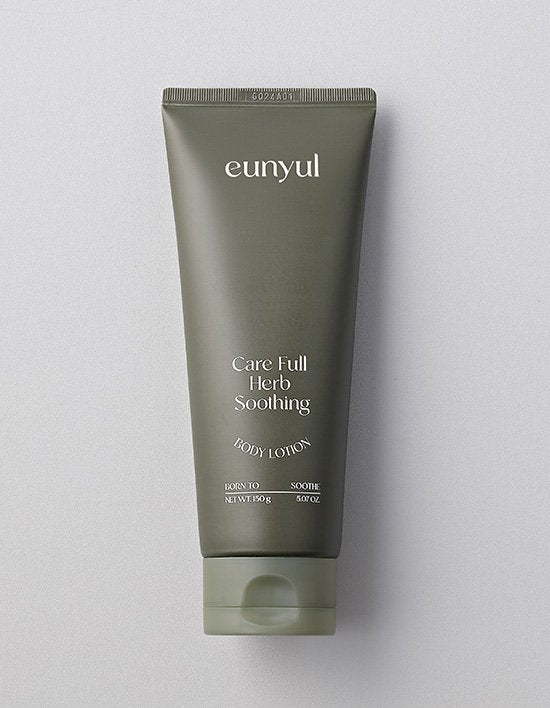
EUNYUL Carefull YACHO Herb Soothing Body Lotion
Body lotion format; 150 ml package. Review the current label and directions before deciding whether it suits your routine.
View product details
YUNJAC Whole Plant Effect Essential Body Lotion
Body lotion format; 250 ml package. Use the product page to review its current formula and instructions.
View product details
CHAHONG Snug Calming Body Lotion
Body lotion format; 250 ml package. Compare its label, directions, and current ingredient list with your preferences.
View product details
Huxley Body Lotion, Blue Medina Tangerine
Body lotion format; 300 ml package. The named scent makes the full fragrance details especially relevant to review.
View product details
MIGUHARA Moisturizing Body Lotion Origin
Body lotion format; 300 ml package. Confirm the listed use directions and ingredients on the current page.
View product details
d'Alba Vita Ceramide Body Cream
Body cream format; 270 ml package. Compare the current product directions with the areas you intend to moisturize.
View product details
isoi CICAGO Cica Vegan Family Lotion
Family lotion format; 350 ml package. Check the current directions and ingredient list for individual fit.
View product details
Dr.G Moisture In Body 5.0 Body Cream
Body cream format; 250 ml package. Review its listed cautions and directions before use.
View product detailsFor additional browsing, these real collection pages group products by broad shopping theme. A category page is a navigation aid, not a clinical recommendation: Body Care, Body Lotions & Creams, Dryness, Barrier Repair, Korean Sunscreen, and Sun Damage. Review each listing for intended area and directions.
Can retinol, peptides, or acids fix crepey arms?
It is tempting to translate a face-care ingredient trend directly to the arms. That shortcut can be misleading. An ingredient's name does not tell you its concentration, vehicle, stability, body-area directions, or whether a finished formula has been shown to change a particular outcome. The product page for a body lotion is not a clinical study of crepey skin, and a formula with a familiar ingredient is not automatically a firming treatment.
Topical retinoids are used for some skin concerns under specific instructions, and some may be prescription medicines. Cosmetic retinol products can also irritate, dry, or increase sensitivity for some users. Do not apply a facial retinoid to a large body area without checking the label and getting advice when needed. If you use a prescribed retinoid or corticosteroid, ask the prescriber before changing the site or frequency of use. If pregnant, trying to become pregnant, or nursing, ask a qualified clinician about retinoid use rather than relying on generalized cosmetic advice.
Peptides, collagen, niacinamide, botanical extracts, and other ingredients may be marketed for appearance or moisture. A marketing claim about "firmness" or "lift" should not be interpreted as proof that a cream rebuilds skin structure or removes laxity. Some ingredients can be part of a moisturizer that improves comfort or the surface feel; that is different from proving a lasting structural effect. Review the finished product rather than assuming that one ingredient creates a guaranteed result.
Alpha hydroxy acids and similar exfoliants can help some cosmetic concerns when used as directed, but more exfoliation is not automatically better. Overuse may irritate or dry the skin. Irritation is especially unhelpful if the skin is already thin, itchy, sun-exposed, or fragile. Avoid mixing several new actives at once, and do not use an exfoliant over open or inflamed areas without professional guidance.
If you decide to try a body product with an active ingredient, choose one intended for the body, read all warnings, use it exactly as directed, and introduce only one new product at a time. Protect the area from UV when required. Stop and seek advice if you develop persistent burning, swelling, blistering, rash, or unusual sensitivity. A clinician can help decide whether the active is appropriate for your skin and the concern you are trying to address.
A conservative rule is useful: if the product promises to "tighten," "lift," "rebuild," or "erase" crepey skin, look for controlled evidence in the relevant population, on the relevant body area, using the finished product and the claimed outcome. Without that evidence, treat the statement as marketing language. A pleasant moisturizer may still be useful for dryness; it does not have to be a miracle treatment to deserve a place in a routine.

What a clinician can evaluate or discuss
A clinician can examine the pattern, note whether the main change is fine wrinkling, dryness, pigment, laxity, a rash, bruising, or another finding, and ask about sun exposure, symptoms, and medications. That may be enough to reassure you or suggest a simple next step. When appropriate, the clinician may recommend a treatment or refer you to a dermatologist. The right choice depends on the finding, the person's health, skin tone, medication history, tolerance for downtime, and goals.
Some office-based treatments are used for selected signs of sun damage or texture. They differ in mechanism, expected outcome, cost, number of visits, risk, and recovery. No procedure is guaranteed to remove all visible change, and suitability cannot be determined from a blog post. Ask the treating professional what evidence applies to the exact area and concern, what side effects are possible, whether pigment changes or scarring are concerns for your skin, and what maintenance may be needed.
Do not book a procedure because an advertisement uses a dramatic before-and-after. Lighting, posture, hydration, editing, and timing can influence images. Ask to see representative examples and understand the conditions under which the images were made. Make sure the practitioner is appropriately qualified and explain your full medication and medical history. A careful consultation should include limits as well as potential benefits.
Cleveland Clinic emphasizes that treatment of sun-damaged skin is not a complete cure or total reversal. That is a useful expectation for any discussion: a professional may be able to improve selected visible features, but "make skin young again" is not a precise or realistic treatment goal. A clinician can also help determine whether the concern is cosmetic at all. A changing lesion or bleeding area needs evaluation rather than aesthetic treatment.

A simple routine for dry-feeling arms
Here is a practical routine for someone whose main issue is dry-feeling skin and who has no new rash, open areas, unusual bruising, or other warning signs. Adjust it to the product labels and your own clinician's advice. The routine is not a treatment plan for a diagnosed skin condition.
After bathing
- Use comfortably warm water and a gentle cleanser when needed. Skip aggressive scrubbing.
- Pat the skin dry without rubbing. If the arms feel dry, spread a tolerated body lotion or cream over them.
- Check the product's label for intended use, ingredient warnings, and directions. Do not apply it to broken or irritated skin if the label says not to.
Before outdoor time
- Choose clothing, shade, and a broad-spectrum SPF 30 or higher sunscreen for exposed skin.
- Apply sunscreen as directed, including the forearms and backs of the hands if uncovered.
- Reapply during extended outdoor exposure, after swimming or sweating, and at the interval on the product label.
When you introduce a new product
- Change one product at a time so it is easier to identify a reaction.
- Start on a small area in line with product directions. A small-area test lowers uncertainty but does not guarantee that a reaction will not occur.
- Stop using a product that causes persistent burning, rash, swelling, or other concerning symptoms, and ask for advice.
Give a basic moisturizer time to show whether it improves comfort, but do not interpret a short-term surface change as proof of deeper tissue remodeling. There is no required "four-week transformation" or guaranteed deadline. If the skin becomes more comfortable, that is a useful outcome. If the primary concern is looseness rather than dryness, a body lotion may not match the goal; ask a clinician about realistic options instead of buying multiple creams in hope of a different result.
A routine should fit your life. Some people prefer a lotion they can apply quickly before dressing; others prefer a richer cream at night. Some prefer unscented products; others value scent. None of those preferences is universally correct. The best routine is one you tolerate, can afford, and can repeat without causing irritation.
When should you ask a clinician about arm skin?
Arrange an appointment if the change is new and unexplained, is progressing quickly, occurs mainly on one arm, or is accompanied by persistent itching, pain, redness, swelling, repeated bruising, tearing, or a sore that does not heal. The Cleveland Clinic advises contacting a healthcare provider about new or changing moles or spots and concerning signs such as spontaneous bleeding. Mayo Clinic likewise advises having dark or growing spots, non-healing sores, or bleeding moles checked.
Seek professional advice if your skin seems much more fragile than before, if bruises appear without a clear cause, or if a change follows a prescription medication. Bring a list of products and medicines, including how often and where you use topical treatments. Do not stop a prescribed medicine without checking with the prescriber. If symptoms are severe, rapidly worsening, or associated with a serious reaction, use urgent medical care appropriate to your situation.
A clinician visit can be useful even when the change is not urgent. You can ask: "What do you think this appearance represents?" "Could a medication or sun exposure be contributing?" "Is moisturizer enough for the dryness, or should I avoid particular ingredients?" "What signs would mean I should come back?" These questions focus the conversation on your situation instead of a generic product promise.
For a stable cosmetic concern, a dermatologist can discuss what treatments are supported for the exact finding and what results are realistic. Ask whether the suggested approach is medical or cosmetic, which risks apply to your skin tone and history, and whether the treatment is likely to address dryness, pigment, fine lines, or laxity. Those are distinct outcomes. You deserve a clear description of benefits, limits, alternatives, and cost.

Frequently asked questions
What is the most common cause of crepey skin on the arms?
There is not one cause for every person. Gradual age-related changes, cumulative UV exposure, and dryness are common contributors, and they can overlap. Skin characteristics, exposure history, health, and medications also matter. "Crepey" is a visual description, not a diagnosis, so an exam may be needed if the change is new, rapid, symptomatic, or unusual.
Can sun exposure cause crepey skin on the arms?
Long-term UV exposure can contribute to photoaging in exposed areas, including arms. Photoaging may include uneven texture, wrinkles, pigment changes, and reduced elasticity. That does not mean that sun exposure is the only explanation for a person's skin. Broad-spectrum SPF 30 or higher, protective clothing, and shade can help reduce additional exposure, but they do not reverse prior changes.
Can dry skin look crepey?
Dryness can make surface lines or flaking more noticeable. A moisturizer may make the skin feel more comfortable and temporarily soften the look of a dry surface. It cannot be assumed to change deeper laxity. Persistent itch, scaling, cracking, or inflammation should be discussed with a clinician rather than treated by repeatedly adding new products.
Can lotion tighten crepey skin?
A body lotion can moisturize dry-feeling skin. That is different from reliably tightening loose skin or rebuilding deeper support. Product claims about firming or lifting should not be treated as proof without evidence for the finished formula, the intended body area, and the claimed outcome. If laxity is your main concern, ask a qualified professional what options are realistic.
Does retinol help crepey arms?
There is no one-size-fits-all answer. Retinoid products vary in strength, directions, and evidence, and they can irritate or dry skin. Do not automatically use a facial retinoid on a large body area. Check the product label and ask a clinician if you have a skin condition, take medication that affects sensitivity, or are pregnant, trying to become pregnant, or nursing. Prescription treatment should be used only as directed by the prescriber.
Can weight change cause loose or crepey skin?
Changes in the amount of tissue under the skin can alter how skin drapes, but an individual's appearance has multiple possible influences. This is not a judgment about weight, and it cannot explain every case. If the change is rapid or accompanied by other symptoms, discuss it with a clinician. A moisturizer is not expected to restore lost volume or reliably remove loose skin.
Does drinking more water fix crepey skin?
Maintaining normal hydration is sensible for general health, but extra water is not a proven cosmetic treatment for age-related or sun-related skin changes. If you are thirsty or dehydrated, address that appropriately; do not expect water alone to tighten the arms. People with medical conditions that require fluid limits should follow their clinician's instructions.
When should I get crepey arm skin checked?
Ask a clinician about a new or rapidly changing area, one-sided change, persistent rash or itch, pain, unusual bruising or tearing, or a spot that changes, bleeds, or does not heal. A stable cosmetic texture can be discussed at a routine visit, especially if you are unsure what you are seeing or a medicine may be involved.
Can sunscreen improve existing crepey skin?
Sunscreen helps protect exposed skin from further UV exposure when used as directed. It does not erase existing photoaging. It can still be useful to add sun protection because prevention matters even when the visible change is already present. Use clothing and shade as practical additions, and ask a clinician about a concerning spot.
Is crepey skin on arms a medical condition?
The phrase by itself is not a medical diagnosis. A clinician may describe the finding more specifically after looking at the skin and considering symptoms and history. Do not assume that a cosmetic label means a disease, but do not dismiss sudden or symptomatic changes as "just aging" either.
Sources and evidence notes
This article distinguishes general clinical guidance from interpretation. "Crepey skin" is used here as a consumer description, not a diagnosis. The product cards describe listed format and package size only; they do not claim that a featured product treats crepey skin. Reviewed September 2026.
- Cleveland Clinic: Sun-Damaged Skin (Photoaging) - exposed areas, common signs, prevention, treatment limits, and when to contact a clinician.
- Mayo Clinic: Aging-What to Expect - age-related thinning, reduced elasticity, dryness, and advice to report concerning changes.
- Research progress on skin photoaging and oxidative stress - peer-reviewed review of intrinsic aging, UV exposure, and photoaging. A review does not establish a product claim for a particular consumer formula.
- American Academy of Dermatology: How to Select a Sunscreen - broad-spectrum, SPF, and water-resistance label guidance.
- American Academy of Dermatology: How to Apply Sunscreen - application and reapplication guidance.
- Mayo Clinic: Corticosteroid Side Effects - possible localized thinning or easy bruising; medication changes should be discussed with the prescriber.
0 comments