
What Causes Oily Skin? Common Causes and Triggers
Short answer
Oily skin usually reflects how active your sebaceous glands are and how much sebum reaches the skin surface. Hormones-especially androgens-help regulate that activity; oil output also varies with age and individual biology. A temporary greasy or shiny finish can have other explanations: sweat, warm weather, sunscreen, makeup, a rich moisturizer, or several layers reflecting light. Those conditions can change how the surface feels without proving that your glands suddenly started making more oil. Harsh cleansing can irritate skin, and the American Academy of Dermatology (AAD) cautions that an overly harsh face wash can trigger increased oil production. Persistent oiliness alone does not diagnose acne or a hormone disorder.
If you are asking "what causes oily skin," begin with the pattern: oil that returns across ordinary days is more consistent with a baseline tendency; shine that appears only after a product, workout, or hot day may be a temporary surface effect. The two can overlap. Track what changes before trying to dry your face out.

What "oily skin" means
Sebum is an oily mixture made by sebaceous glands. It is a normal part of the skin's surface system, not dirt that needs to be removed completely. Sebum helps reduce water loss from the surface and is one part of the material that coats skin. DermNet notes that what we see on the surface is not pure sebum: it can also include surface-cell lipids, sweat, and material from the environment. That distinction matters because a shiny forehead after a hot commute is not a direct measurement of gland output. DermNet: Sebum
DermNet describes excessive oiliness, or seborrhoea, as overactivity of sebaceous glands. The face and scalp are common sites, and visible shine may be part of the pattern. Oily skin can occur without any underlying illness; it is also possible for oily areas to coexist with tight, flaky, or easily irritated areas. DermNet: Seborrhoea
The difference between oil production and surface finish is the key to interpreting most everyday changes. A face can look glossy because a sunscreen or makeup film reflects light. A person can also have more sebum and a shiny finish at the same time. You do not have to settle the distinction from one mirror check.
The main causes of persistent oily skin
1. Normal differences in sebaceous-gland activity
People do not all make the same amount of surface oil. The number and activity of sebaceous glands vary by body site, and areas such as the forehead and chin contain relatively large or numerous glands. This helps explain why oil is often more noticeable in the center of the face than on the outer cheeks. It does not mean that every person with a shiny T-zone has a medical problem.
Skin type is a useful description of a repeated pattern, not a diagnosis and not a score for cleanliness. If oil regularly reappears after gentle washing, across different products and ordinary conditions, a baseline oily tendency may be part of your skin's normal behavior. Cleansing can remove some surface material, but it does not permanently switch off a sebaceous gland.

2. Androgens and life-stage changes
Sebum production is influenced by sex hormones called androgens. During puberty, androgen signaling increases activity in oil glands; sebum production rises through this life stage. This is one reason oily skin and acne become more common around adolescence. DermNet also describes average age-related changes: sebum output can decline later in life, with a noticeable decrease after menopause for many women. These are population patterns, not a clock that predicts an individual's exact skin. DermNet: Sebum AAD: Acne causes
Some people notice a recurring change around menstruation or another hormonal transition. That observation can be useful, but it does not establish a single hormone as the cause for everyone. Hormone relationships are complex, and the exact cycle-related effect can vary. Record the timing for a few cycles if the pattern is repeatable; avoid trying to diagnose a hormone imbalance from shine alone.

3. Individual biology and family patterns
Baseline oiliness can persist even when a routine is simple and gentle. Family members may share a tendency toward oily skin or acne, but a family resemblance does not identify a precise cause in one person. Acne risk and oily skin overlap without being identical: acne depends on pore blockage and inflammation as well as oil. A relative's acne history cannot tell you whether your current shine is sebum, product film, or sweat.

4. Certain health conditions or medicines
Hormonal or other health conditions can affect sebum in some people, but they are not the most likely explanation for every oily face. DermNet lists conditions affecting pituitary, adrenal, ovarian, or testicular function among possible influences and also notes that some systemic medicines can alter sebum. Examples include testosterone and some medicines with androgen-like activity. Other medicines may reduce oil. This is a reason to discuss a new, persistent change with a clinician or pharmacist-not to stop, reduce, or switch a prescribed medicine on your own. DermNet: Sebum
A change in oiliness becomes more worth discussing when it arrives with other new symptoms. For example, persistent acne together with irregular or infrequent periods, increased coarse facial or body hair, or scalp hair thinning may warrant a clinician's assessment of the full pattern. Oily skin alone does not establish polycystic ovary syndrome (PCOS), an androgen disorder, or any other diagnosis. DermNet: PCOS signs and symptoms
Triggers that can make oiliness or shine seem worse

Harsh cleansing, scrubbing, and irritating products
Trying to strip away every trace of oil can backfire. The AAD recommends a gentle, foaming face wash for oily skin and warns that a cleanser that is too harsh can irritate skin and trigger increased oil production. Scrubbing itself can irritate the skin. That is different from saying that every cleanser causes "rebound oil" through a proven universal mechanism; the practical point is simpler: if washing leaves burning, tightness, redness, or flaking, the routine is too aggressive for your current tolerance. AAD: How to control oily skin AAD: Face washing 101
Alcohol-based or strongly degreasing cleansers, rough cloths, frequent scrubs, and stacking several exfoliating steps may add irritation without solving the source of persistent sebum. If a new product makes your face sting or peel, pause it and return to a simpler routine while the skin settles. When a product is a prescribed treatment, follow the prescriber's instructions and ask before changing it.
Stress and breakouts
Stress is often discussed as a direct cause of oily skin. The more precise distinction is that stress can worsen acne for some people; the AAD explains that stress-related hormones may increase oil and contribute to acne flare-ups. That evidence does not prove that every stressful week creates a lasting oily skin type. If breakouts and shine rise together during a stressful period, note both, but do not assume one observation identifies a diagnosis or a single cause. AAD: Stress and skin conditions
Heat, humidity, exercise, and sweat
Surface conditions
Heat and sweat can change the finish without proving a new skin type.
Notice what else is on the skin and what the day was like before deciding that baseline oil production changed.
Warm or humid conditions can make a face feel more slippery, and physical activity adds sweat to the surface. Sweat is not sebum. DermNet's description of surface oil as a mixture helps explain why a person can feel greasy after commuting, exercising, or spending time outdoors even if their baseline gland activity has not changed. Heat may also alter how makeup and skin-care layers wear.
Compare like with like before concluding that a season changed your skin type: note whether the same shine appears indoors on a calm day, after your usual routine, and at a similar time after washing. If it appears mainly after exercise or hot weather and fades when sweat and product film are removed gently, the event may be about surface conditions rather than a new persistent cause.

Sunscreen, makeup, and moisturizer finish
A sunscreen can be protective and still leave a dewy or reflective finish. Makeup, an emollient-rich moisturizer, or multiple layers can add slip and reflect light. That may look like oil even when the surface is not producing more sebum. The right question is not "Is this product oily?" in the abstract; it is whether the formula's finish is comfortable and whether shine persists when that layer is not present.
Do not respond to a shiny sunscreen by applying less than the labeled amount. Choose a sunscreen you can apply evenly and reapply as directed. If makeup is part of the comparison, keep the base routine steady and change one finish variable at a time. For the narrower question of distinguishing persistent sebum from reflective product shine, use the separate oily skin vs. shiny skin guide.
A crowded routine can hide the useful signal
When a routine changes cleanser, toner, serum, moisturizer, sunscreen, and makeup together, it becomes difficult to see which part affected the finish. More steps do not establish better oil control. A stable baseline makes a small comparison interpretable: keep the gentle cleanse and daytime sunscreen, keep a moisturizer if you need one, then change only one optional product or texture.
If several strong actives are already present, the skin's irritation may be the more important problem to solve than its shine. Skin that feels oily but also burns, flakes, or becomes raw may need less friction and fewer changing products. The AAD advises stopping or using an ingredient less often if it irritates; for persistent irritation, a clinician can help distinguish a product reaction from another skin condition.

How to work out what is changing
You do not need a home test that strips the skin. Use a short observation log that keeps the routine steady and records the conditions around the change. The purpose is not to diagnose your skin from a spreadsheet; it is to bring a clearer history to a dermatologist or make one careful routine adjustment.
For five to seven ordinary days, note:
- When the shine begins. Record how long it has been since cleansing and whether it is present before makeup or sunscreen.
- Where it appears. Write down forehead, nose, chin, cheeks, or the hairline instead of giving the whole face one label.
- What the skin feels like. Greasy, comfortable, tight, itchy, stinging, or flaky are different observations.
- What was on the skin. Keep the cleanser, moisturizer, sunscreen, makeup, and hair products recognizable by name or category.
- What was happening around you. Note exercise, heat, humidity, a long outdoor commute, a new medication, a cycle change, or a stressful period if relevant.
Use the same gentle washing approach each day. Do not repeatedly cleanse or blot until the surface feels dry just to measure it. A record that contains the original conditions is more useful than a "before and after" created by irritating the face.
Then ask a few practical questions:
- Does oil return in similar areas on days without makeup or a new sunscreen?
- Did the pattern begin after a medication or hormone change?
- Is there tightness or stinging after washing, suggesting the routine may be too stripping?
- Is the main issue a glossy film that began after a particular moisturizer, sunscreen, or makeup layer?
- Are redness, greasy scale, tenderness, or new breakouts occurring alongside the shine?
If the difference still is not clear, the oily-skin routine guide covers practical routine structure. It answers a different question from this guide's focus on causes and triggers.

What you can change-and what a routine cannot determine
A routine can reduce avoidable irritation and help you find a surface finish you prefer. It cannot tell you whether a change comes from a hormone condition, a medicine, or another diagnosis. It also cannot permanently reprogram sebaceous glands just because a product says "oil control." Treat product language as a description of the brand's intended position, not proof that the item changes a biological cause.
For everyday care, the AAD suggests cleansing gently, avoiding scrubbing, considering oil-free or noncomedogenic labels when acne is a concern, moisturizing even when skin is oily, and wearing sunscreen. Ingredient tolerability matters: salicylic, glycolic, or lactic acid may be too irritating for some people. A label does not guarantee that a particular formula will suit every face. AAD: How to control oily skin
If you are comparing products, begin with the missing step rather than adding a full set. A cleanser is a rinse-off step; a toner or serum is optional; moisturizer is still a separate comfort step; sunscreen needs to provide the labeled sun protection. You can browse the store's oily-skin collection, oil-control collection, facial cleansers, toners and essences, serums and ampoules, face moisturizers, and sunscreen. Each product page should be checked for the current formula, package directions, destination-market label, and availability.
The ten items below are format comparisons, not a top-ten ranking or treatment plan for a presumed hormone cause. They were selected because the public ProtoClinical product pages position them for oil, shine, pores, oily or combination skin, or daily sun care. Start with at most one optional change, and use the actual product label. Persistent acne, new irritation, and medical symptoms call for a clinician's advice rather than a larger product stack.
Gentle and active cleanser formats
Choose a cleanser by how it feels after rinsing, not only by the strength of the oil-control label. These two examples have different formulas and should not automatically be used together. The Dr.Belmeur gel cleanser is described by its public page as an AHA/PHA exfoliating cleanser for oily and acne-prone skin; the medicube foam cleanser lists 0.45% salicylic acid. If acids are already in your routine or the skin is irritated, avoid adding another active cleanser without checking the directions or asking a clinician.
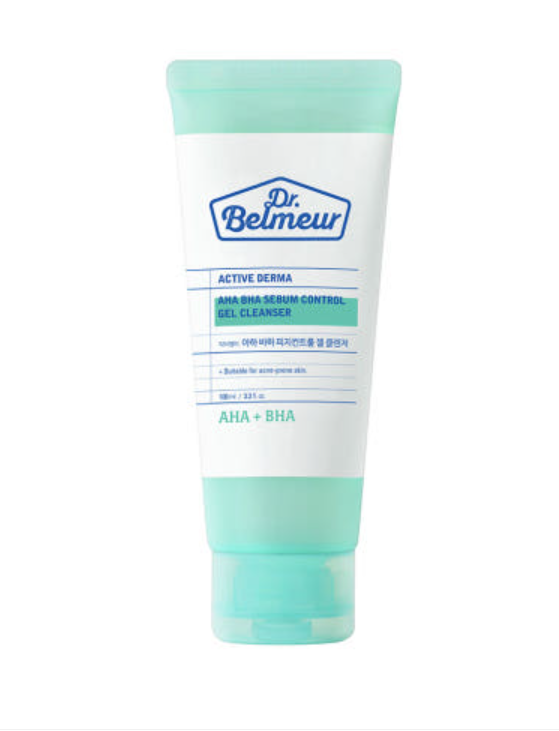
Dr.Belmeur AHA PHA Sebum Control Gel Cleanser 100ml
An exfoliating AHA/PHA wash-off format listed for oily and acne-prone skin. Avoid stacking actives if your skin is irritated.
View product details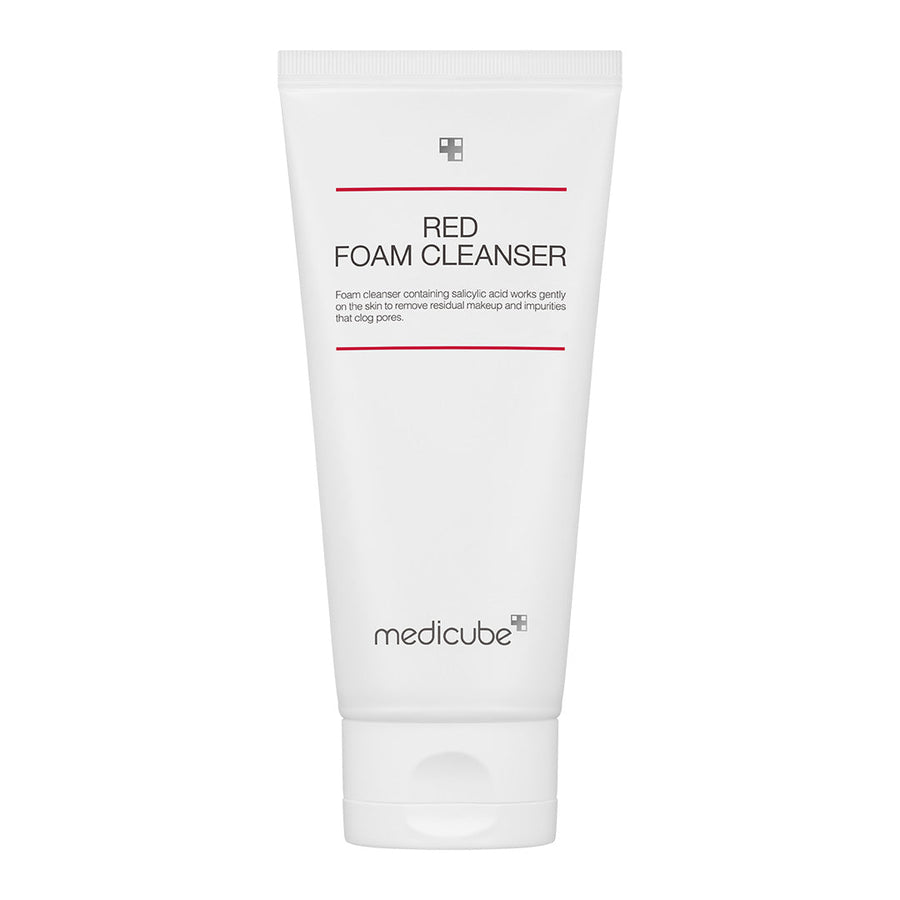
MEDICUBE Red Foam Cleanser 120ml
A cleanser whose public page lists 0.45% salicylic acid; treat it as an active format, not a universal daily prescription.
View product detailsToner and serum formats are optional
A toner is not a required oil-control step. Consider whether you actually want a toner texture or a particular leave-on role before adding one. The SKIN1004 Poremizing Clear Toner is positioned around excess sebum and dead surface cells; Dr.Belmeur Clarifying Toner is described as a balancing toner. Avoid treating either description as a guarantee or combining several exfoliating formulas just because each page mentions pores or sebum.
A serum should answer a specific goal. TIAM Pore Minimizing 21 Serum contains 20% niacinamide and 1% zinc PCA according to its product page; its high niacinamide percentage can be too much for some routines, and the page itself recommends gradual introduction. Anua Heartleaf 77 B3 Zinc Soothing Serum is listed for sensitive, oily, combination, and blemish-prone skin and is described as a lightweight soothing format. Neither serum diagnoses or resolves the underlying cause of oil production.
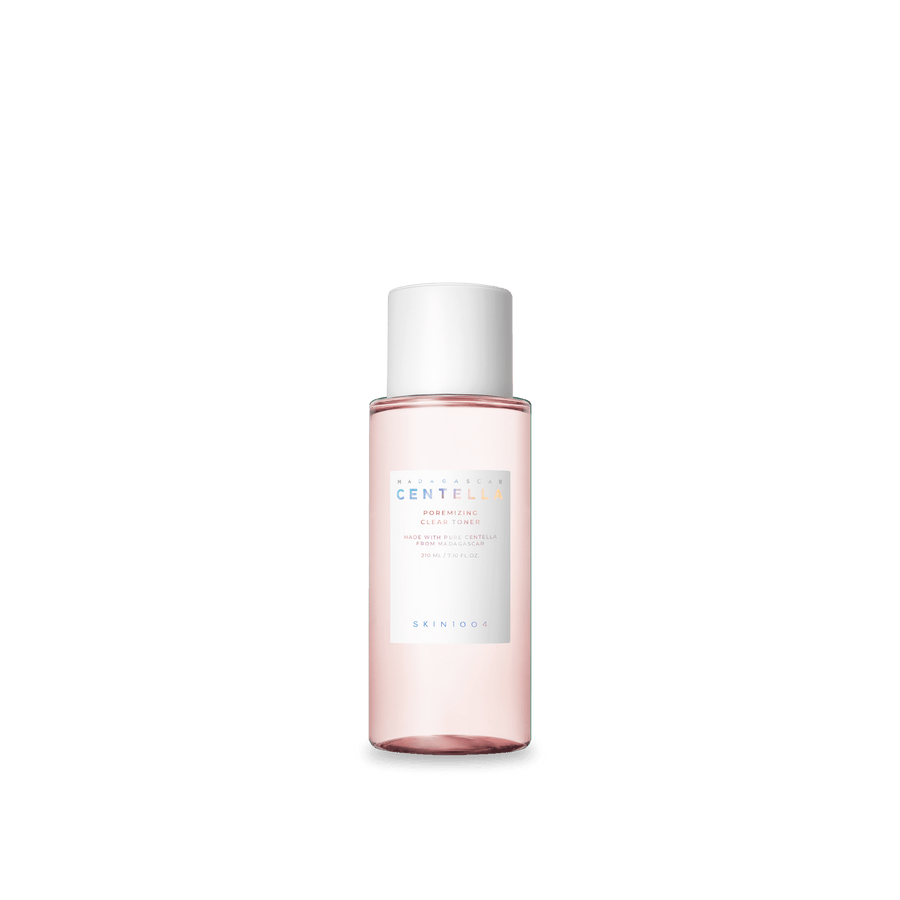
SKIN1004 Poremizing Clear Toner 210ml
An optional toner positioned around excess sebum and surface cells; not a required step or a way to diagnose oiliness.
View product details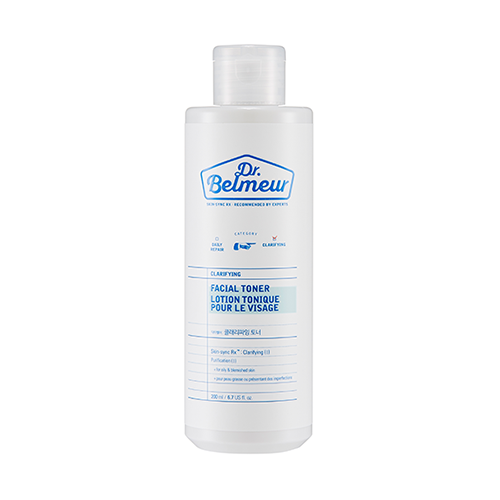
Dr.Belmeur Clarifying Toner 200ml
A balancing toner format described by its public page for moisture and sebum care; a second toner is not necessary.
View product details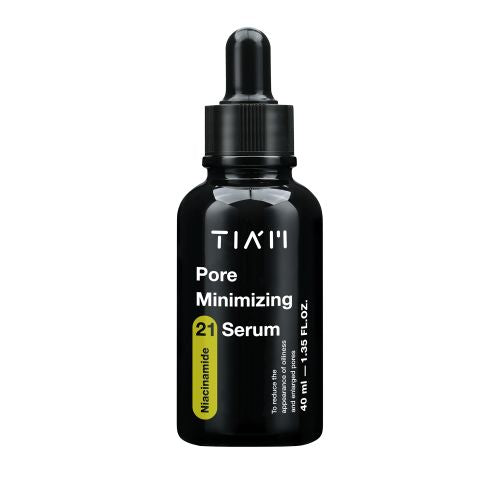
TIAM Pore Minimizing 21 Serum 40ml
The PDP lists 20% niacinamide and 1% zinc PCA and cautions that the concentration may be too much for some routines.
View product details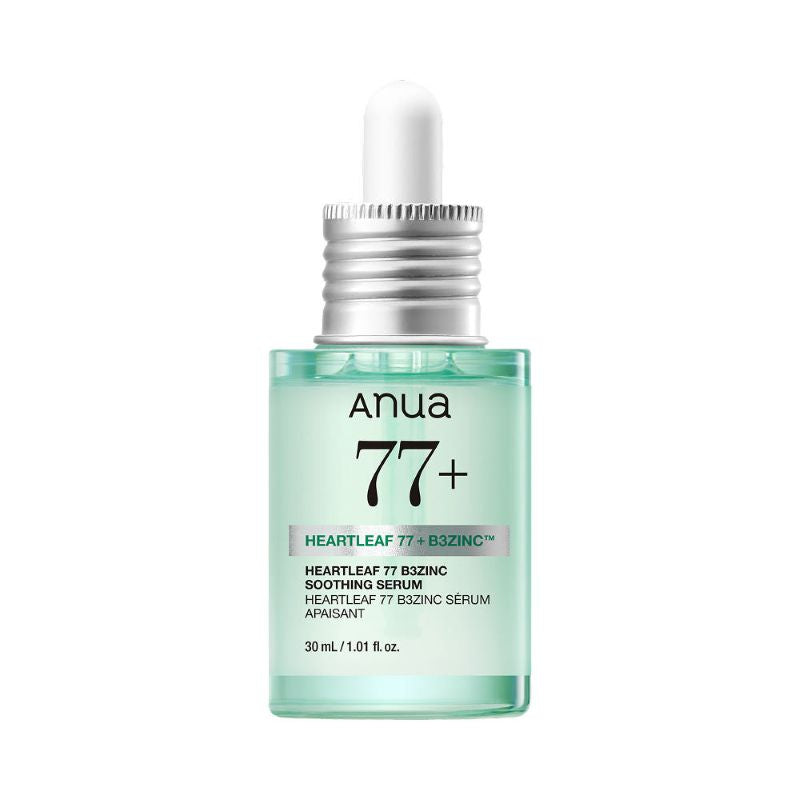
Anua Heartleaf 77 B3 Zinc Soothing Serum 30ml
A lightweight serum format listed for sensitive, oily, combination, and blemish-prone skin.
View product detailsLightweight moisturizer and daytime protection
Moisturizer choice is about tolerable hydration, not a promise that sebum will disappear. The celimax Oil Control Moisturizing Cream and LANEIGE Balance Mode Shine Control Weightless Moisturizer are both presented for oil-conscious routines, while the innisfree Green Tea Panthenol Gel Cream is a gel-cream positioned for oily-combination skin. Texture and finish may differ on your skin, so one product at a time is the useful comparison.
For daytime, the Dr.Ceuracle 5α Control No Sebum Sun Lotion is marketed with SPF50+ PA++++ and an oil-conscious finish. Check the package actually supplied in your market and use a broad-spectrum sunscreen with the protection level and directions appropriate for your location. A cosmetically matte finish does not justify under-applying sun protection.
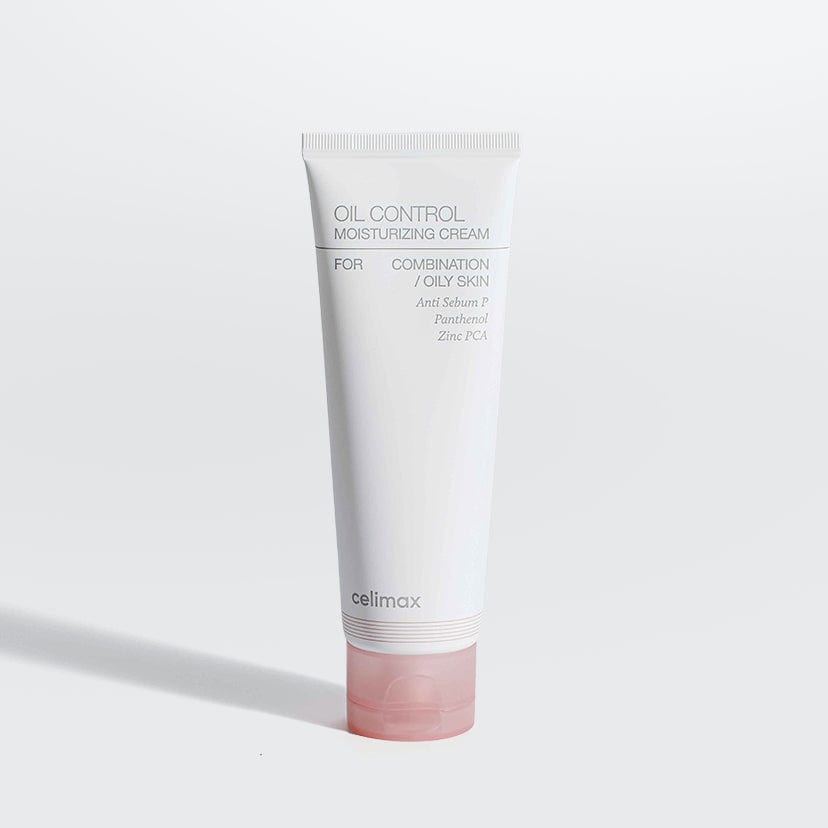
celimax Oil Control Moisturizing Cream 80ml
A moisturizer format whose PDP describes panthenol, beta glucan, and a less greasy-feeling finish.
View product details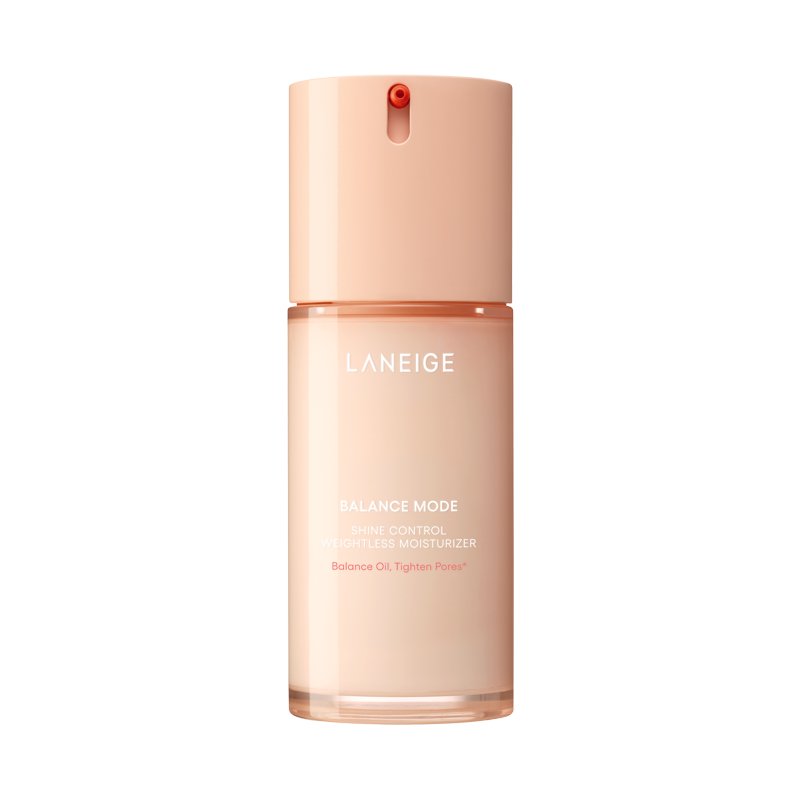
LANEIGE Balance Mode Shine Control Weightless Moisturizer 80ml
A lightweight moisturizer positioned for oily skin; finish still depends on the reader and other routine layers.
View product details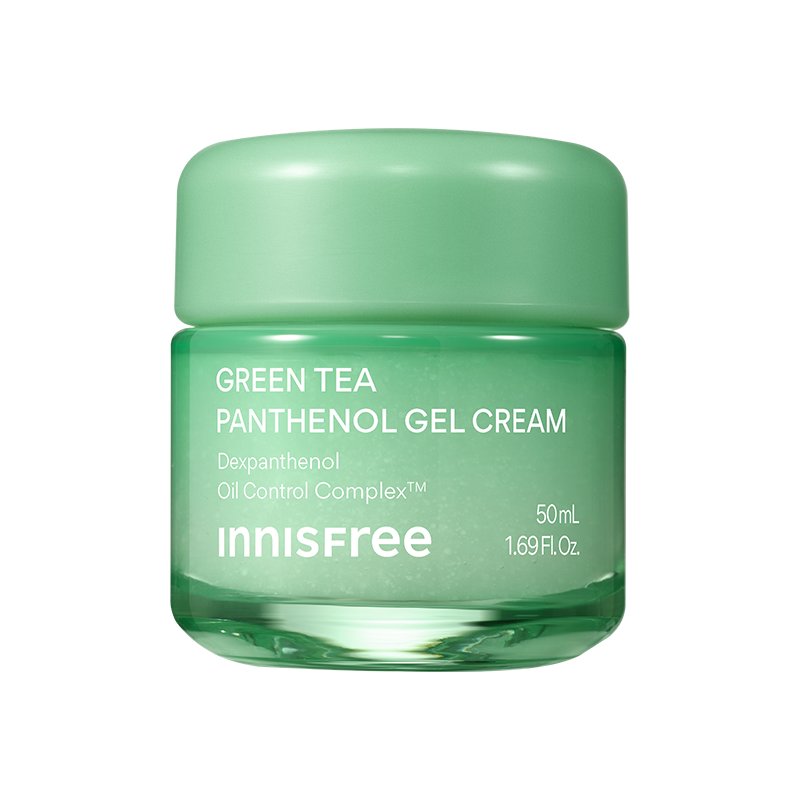
innisfree Green Tea Panthenol Gel Cream 50ml
A gel-cream positioned for oily-combination skin; compare its texture rather than assuming everyone needs a matte finish.
View product details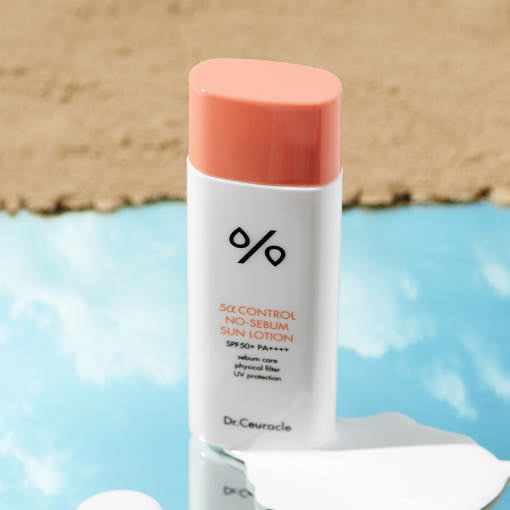
Dr.Ceuracle 5α Control No Sebum Sun Lotion SPF50+ PA++++ 50ml
A sunscreen page lists SPF50+ PA++++ and an oil-conscious finish; inspect the package supplied in your market and follow its directions.
View product details
When to ask a dermatologist or prescriber
Consider professional advice if oiliness changes suddenly and stays different, if new or persistent acne is painful or leaving scars, or if the skin is red, itchy, burning, or scaly rather than simply shiny. A greasy scale around the scalp, eyebrows, sides of the nose, or ears can fit a condition such as seborrhoeic dermatitis; it should not be assumed to be a "dirty face" or treated only by scrubbing. DermNet describes seborrhoeic dermatitis as a separate inflammatory condition that often involves oil-rich regions. DermNet: Seborrhoeic dermatitis
If a new medication or hormone treatment seems to line up with the change, contact the clinician who prescribed it or a pharmacist. Do not stop a medicine because a cosmetic article lists it among possible influences. If oiliness occurs with irregular periods, increased facial or body hair, scalp hair loss, or other new systemic symptoms, share the complete timeline with a clinician. They can decide whether an evaluation is appropriate; skin shine is not a stand-alone test for PCOS or an endocrine condition.
Related guides
- Oily Skin vs. Shiny Skin: How to Tell the Difference
- Korean Skincare Routine for Oily Skin
- Best Moisturizer for Oily Skin: How to Choose
- Korean Sunscreen for Oily Skin: How to Choose
- Niacinamide in Korean Skincare: Benefits, Concentrations and How to Use It
Frequently asked questions
Is oily skin caused by hormones?
Hormones, especially androgens, help regulate sebaceous-gland activity, and oil production commonly rises around puberty. Hormones are one influence, not an explanation for every person's skin. A change in oiliness alone cannot identify a hormone disorder.
Can stress make skin oily?
Stress can worsen acne for some people, and the AAD notes a hormone pathway that can increase oil during stress. That does not show that stress is the sole cause of a persistent oily skin type. If stress and breakouts rise together, record the timing and seek care for persistent or painful acne.
Does washing more often fix oily skin?
Washing can remove surface oil, sweat, and residue, but it does not permanently switch off sebum production. The AAD advises cleansing up to twice daily and after sweating, while avoiding scrubbing and overly harsh cleansers. Washing until the skin feels tight can add irritation rather than solve a baseline tendency.
Can dehydration cause oily skin?
"Dehydrated" describes low water content in the skin, while "oily" describes surface oil or sebum behavior. They can coexist, but the feeling of tightness does not prove that dehydration made the glands produce more oil. If your skin is both shiny and tight, review the cleanser, acids, weather, and moisturizer fit rather than stripping it further.
Is oily skin the same as acne?
No. Excess sebum can be one part of acne, but acne involves pore blockage and inflammation too. Some people have oily skin without acne, and breakouts can occur even when the whole face does not feel oily. For painful acne, scarring, or persistent breakouts, a dermatologist can assess treatment options.
Why is my face suddenly oily?
First consider a new product finish, sunscreen or makeup layering, heat, exercise, a change in cleansing, a medication, or a hormonal transition. If the change persists across ordinary conditions or comes with new symptoms, arrange a medical review instead of repeatedly changing products.
Should I stop using moisturizer if my skin is oily?
Not automatically. The AAD recommends moisturizer even for oily skin. A lighter texture or an oil-free/noncomedogenic label may be useful when acne or a heavy finish is a concern, but the full formula and your tolerance matter more than the label alone.
What is the fastest way to find my trigger?
Keep the routine stable and record when, where, and under what conditions the shine appears. Change one optional product at a time. A brief log is more interpretable than using multiple new acids, cleansers, or mattifying products at once.
0 comments