
What Is Skin Texture? Meaning, Types, and What Skincare Can Change
Skin Education
Skin texture is an everyday descriptive term for the surface qualities you can see or feel: smoothness, roughness, visible pores, bumps, flaking, shallow marks, fine lines, and other natural contours. It is not one diagnosis and does not have one cause or one product-based solution. A useful first step is to name the particular feature, notice whether it is new or changing, and separate a normal surface variation from a symptom that deserves medical evaluation.
This guide explains what "skin texture" means, how the skin surface is built, why it naturally varies, and what basic skin care can realistically do. It does not diagnose a rash, acne, a scar, or another condition from a description or photo. If a change is painful, itchy, inflamed, rapidly spreading, bleeding, or persistent, a clinician can assess it in context.
Quick answer: texture describes the feel and visible topography of skin. Pores, hair follicles, expression lines, and slight variation are part of normal skin. Dryness, clogged follicles, acne, irritation, scars, keratin buildup, and cumulative sun exposure can each create a different appearance. Moisturizer may improve the feel of dry skin; a cleanser cannot erase pores; a cosmetic product should not be presented as a treatment for an undiagnosed condition.
Home Skincare Guides Skin texture
Contents

What does skin texture mean?
In everyday language, skin texture means the way the skin's surface looks and feels. "Smooth," "rough," "bumpy," "dry," "flaky," "creased," "pitted," and "uneven" are all ways people describe texture. Those words can help explain a concern, but they do not tell you by themselves what is causing it. Two people may both say "rough texture" while describing different things: a temporary dry patch, small follicular bumps, a healing breakout, or a long-standing surface pattern that is normal for them.
For that reason, "skin texture" is best treated as an umbrella phrase rather than a medical label. It groups observations about topography-the small rises, openings, folds, and depressions at the surface-without naming the underlying process. It also does not establish that the skin is unhealthy. A face can have visible pores, fine facial hair, shallow lines, and slight unevenness while the skin is functioning normally. Camera lighting, magnification, makeup, and image processing can make ordinary details look unusually pronounced.
A more useful description answers a few separate questions. Is the area flat but dry, or are there distinct raised bumps? Is the change in one spot or across a broader region? Is it new, stable, or recurring? Does it itch, hurt, burn, bleed, or feel hot? Are there color changes as well as surface changes? These observations do not diagnose a condition, but they can make a conversation with a dermatologist clearer than the phrase "bad texture."
Words such as "uneven skin texture" and "textured skin" can also be used in beauty marketing. They may refer to dullness, visible pores, fine lines, acne marks, dryness, or a combination. A product described as "texture improving" may not specify which feature it is intended to address, what was measured, or how long use was evaluated. Read the exact product label and directions, and avoid assuming that one broad phrase proves that a formula changes every type of surface variation.
Throughout this article, "texture" means a visible or tactile surface characteristic. When a more specific term is available-such as dryness, a comedone, a scar, or a rough follicular bump-we use that term instead. Naming the pattern narrows the discussion and helps keep routine suggestions proportionate. It also makes room for a straightforward answer: sometimes there is no problem to solve; sometimes a basic routine is enough; sometimes the best next step is a clinical assessment.
The outermost layer of skin, the epidermis, is the layer people see and feel. Its outer stratum corneum helps hold water and participates in the skin's protective barrier. New cells develop deeper in the epidermis and move upward as older surface cells shed. Those facts help explain why surface feel can change with hydration, irritation, or cell buildup, but they do not mean that every visible bump is a dead-cell problem. Cleveland Clinic's overview of the epidermis describes this outer layer and its roles in hydration, renewal, and protection.
How the skin surface is formed
Skin is a living organ made of several layers with different structures and jobs. The epidermis forms the external covering. Beneath it, the dermis contains supportive connective tissue, blood vessels, nerves, glands, and hair follicles. Under those layers lies subcutaneous tissue, which connects the skin with structures below it and helps cushion the body. The surface you touch is not a flat sheet: it rests over follicles, glands, folds, and tissue that move as you speak, blink, smile, and stretch.
At the top of the epidermis, the stratum corneum is made of flattened, mature cells surrounded by lipids. In a simplified comparison, the cells form a wall and the lipids help fill the spaces between them. This structure contributes to reducing water loss and limiting exposure to irritants. When the outer layer is dry or irritated, skin may feel tight, rough, or more visibly flaky. When it is comfortable and hydrated, fine surface lines can appear less prominent. Those changes in feel do not mean the deeper anatomy has been rebuilt.
Cells are continually produced lower in the epidermis and move toward the surface as they mature. At the top, older cells are shed. The Cleveland Clinic describes this renewal process as part of normal epidermal function and notes that the epidermis is the layer visible and touchable from outside. A surface that looks dull or uneven can sometimes relate to dryness or buildup, but appearance alone cannot establish that cell turnover is the cause. Scrubbing more aggressively is not a safe shortcut to a diagnosis.
Hair follicles are openings and structures distributed across much of the skin. Oil glands are associated with many follicles, while sweat exits through sweat ducts. In casual speech, people often call visible surface openings "pores." Research distinguishes several kinds of skin surface openings, including follicular and sweat-gland openings. A pore's visibility can be affected by its structure and by surrounding conditions; a cleanser can remove surface material but cannot remove the anatomy that makes an opening part of skin.
Texture also changes with location. The eyelid, cheek, forehead, nose, palm, heel, upper arm, and back differ in thickness, follicles, oil production, movement, and exposure. A texture that is ordinary on a heel may be unexpected on an eyelid. Facial skin is repeatedly exposed to cleansing, cosmetics, sunlight, weather, and facial movement, while covered skin experiences a different mix. Any useful description therefore includes the body site instead of treating every patch of skin as interchangeable.
The dermis provides structural support, while the epidermis provides the outer barrier and much of the visible surface. Sun exposure and natural aging can affect skin over time, but the appearance of a single line or shallow depression does not reveal a precise cause. Deep scars, inflamed lesions, eczema, infection, and other conditions involve different processes and may call for different care. A skincare label cannot identify those processes from a generic "texture" claim.

Normal skin is not perfectly uniform
Healthy skin is not required to look poreless, airbrushed, or identical from one area to another. Pores and follicles are normal anatomical structures; fine lines can form where skin repeatedly folds; small differences in color and relief are common. Skin also changes with facial expression, temperature, hydration, hair removal, and the light falling across it. A close-up image with direct flash will emphasize contours that are less noticeable in ordinary room light.
People differ in oil production, hair density, skin tone, age, anatomy, and how easily marks remain visible. These differences are not a ranking. A visible follicle opening does not automatically mean that it is dirty. A small bump does not automatically mean acne. A fine line does not automatically mean that a moisturizer has failed. The feature becomes more informative when paired with its location, timing, feel, and symptoms.
Some people first notice surface variation because a phone camera sharpens detail or because a product sits differently on dry or oily areas. Makeup can catch on flakes, sunscreen may highlight dry patches, and a thick layer of product can make the surface look shiny. These observations are clues about appearance and product fit, not proof of an underlying disorder. Do not judge progress only in a magnified mirror or under a harsh bathroom spotlight.
A useful baseline is ordinary daylight at a comfortable distance, without repeatedly stretching, scraping, or squeezing the area. If you are tracking a new change, use the same lighting and distance on different days and note symptoms rather than retouching or filtering the image. Photos can help you describe timing to a clinician, but a photo cannot reliably establish what a lesion is. If the change is distressing, symptomatic, or persistent, a professional exam is more appropriate than repeated close-up checking.
Beauty standards can make normal texture seem like a defect to eliminate. Many commercial photographs remove pores, soften shadows, and blur surface detail. Comparing a real face to a retouched image sets an unrealistic baseline. A practical goal is not to erase every contour. It may be to reduce discomfort, help dry skin feel softer, support a routine that is tolerable, or understand whether a particular spot needs evaluation. Those are different goals and lead to different decisions.

Common patterns people call "texture"
The following descriptions are not a self-diagnosis checklist. They show why the broad term can refer to different observations. A person can have more than one pattern at once, and a familiar-looking pattern can still have another explanation. When an area is painful, rapidly changing, inflamed, or hard to identify, do not try to classify it from a list.
Dry, tight, flaky, or rough-feeling skin
Dryness may make skin feel tight, papery, rough, or itchy, and may be accompanied by visible flakes or cracks. The stratum corneum's water-holding role helps explain why hydration and barrier care can affect how the surface feels. Weather, frequent washing, hot water, irritating products, and some skin conditions can contribute to dryness. The same surface appearance can have different causes, so persistent itching, painful cracking, rash, or bleeding should not be treated as a cosmetic concern alone.
Dryness is a particularly common source of misleading "texture" advice. When skin is peeling, a scrub may remove some flakes in the moment while increasing irritation or water loss. The American Academy of Dermatology advises people with very dry, peeling skin to focus on moisturizing instead of stripping the face with exfoliation, and recommends seeking care if dryness worsens or becomes painful, cracked, bleeding, stinging, or very irritating. Those are practical boundaries, not an invitation to diagnose a skin barrier problem yourself.
Visible pores and follicular openings
Visible pores are often noticed around the nose, central cheeks, or forehead. These openings are part of skin anatomy; their appearance can vary across a face and from one person to another. Research on facial pore appearance has associated pore size with factors such as sebum output, age, and sex, while emphasizing that individual variation exists. That study does not mean one factor explains every person's pores or that changing one skincare step will permanently alter their anatomy.
When people say "large pores," they may be describing visible openings, oily shine, material in a follicle, or shadows around a pore. Those are not the same observation. Cleveland Clinic explains that clogged pores can involve oil, dead skin cells, or dirt trapped in an opening and may contribute to acne. A clogged follicle and a naturally visible follicle opening can look similar in a quick mirror check. Avoid scraping or squeezing to decide which one it is; that can irritate the area and make the surface more inflamed.
Small raised bumps
Small bumps can arise for many reasons, including clogged follicles, acne, irritation, keratosis pilaris, or other conditions. Their color, location, pattern, symptoms, and duration matter. For example, keratosis pilaris is commonly described as small rough bumps around hair follicles, often on the upper arms or thighs. DermNet's overview provides condition-specific information, but an online description cannot confirm that a person's bumps are keratosis pilaris. New, itchy, painful, inflamed, or changing bumps should be evaluated when needed.
Raised bumps can be tempting to exfoliate or extract. That is not a reliable way to learn what they are. If the bumps contain inflammation or are part of a condition, friction can make symptoms worse. If they are stable and not bothersome, they may not require treatment. A clinician can distinguish common patterns from conditions that need care by examining the skin and asking about symptoms, timing, medicines, and health history.
Shallow pits, indented marks, or uneven relief
Indented or wavy marks can remain after inflammatory acne or an injury. Scars differ in depth and shape, and their treatment depends on the type and individual circumstances. The American Academy of Dermatology notes that acne-scar care begins with consultation because treatment planning depends on scar type, location, skin tone, acne activity, and a person's goals. A topical product described as "texture smoothing" should not be assumed to remove a depressed scar.
New acne and old scars are separate issues. Controlling active breakouts may help reduce new inflammation and lower the chance of additional scarring, while an established scar may need a different discussion with a dermatologist. Do not pick at a breakout in an attempt to flatten it. If scars affect how you feel about yourself or interfere with daily life, it is reasonable to ask about options rather than treating the concern as superficial or vain.
Fine lines, folds, and creasing
Fine lines are small surface folds that can be easier to see when the skin is dry, when light is directional, or when the face moves. Expression lines appear where the skin repeatedly folds during movement. A crease can become more visible for several reasons, and a beauty article cannot determine its depth or cause. Moisturizer may make dryness-related lines look less prominent temporarily by improving surface comfort, but that is different from changing deeper structure.
Creases around the eyes, mouth, forehead, and neck are not interchangeable with a rash or raised lesion. A fold that changes rapidly or is accompanied by symptoms deserves medical attention. For an ordinary appearance concern, keep expectations modest: the goal of routine skin care is maintenance and comfort, not a promise to erase normal movement or restore a previous age.
Red, inflamed, stinging, or rash-like areas
Redness, burning, itching, swelling, tenderness, and visible rash shift the conversation away from a generic texture question. These symptoms can be associated with irritation, allergy, inflammatory skin conditions, infection, or other causes. A person can have surface roughness and an underlying condition at the same time. Introducing several new products or acids makes it harder to identify a trigger and can intensify discomfort.
If a product causes persistent burning, swelling, hives, or a spreading rash, stop using it and seek medical advice appropriate to the severity. Severe swelling, difficulty breathing, rapidly worsening pain, fever, or widespread blistering requires urgent care. For less urgent but persistent irritation, a dermatologist or other clinician can look at the distribution, duration, possible exposures, and medical history. Do not use exfoliation as a way to "push through" active irritation.
Dullness and uneven-looking surface
Dullness is a subjective description of how light reflects from skin. Dryness, product residue, makeup, lighting, and surface variation can all change the impression of radiance. Dullness is not a diagnosis, and it does not prove that skin needs a stronger acid, scrub, or brightening ingredient. If the skin also feels comfortable and has no concerning symptoms, a gentle cleansing and moisturizing routine may be a reasonable starting point.
If dullness is accompanied by persistent discoloration, a changing lesion, thickening, or a patch that does not heal, it is no longer only a question of glow. A clinician can evaluate a specific change. Do not assume that every uneven surface comes from buildup or that repeated exfoliation is harmless.

Why can skin texture change?
Hydration and the outer barrier
Water content in the outer layer affects comfort and the way fine surface details appear. When skin is dry, it may feel rough or tight and show flakes. Moisturizers can reduce water loss and improve softness at the surface; different formats, such as lotions, creams, gels, and ointments, feel and spread differently. The AAD notes that the best fit depends on skin type and degree of dryness, rather than on one universally correct product.
Hydration does not explain every bump or depression. Applying a moisturizer to an acne scar will not turn that scar into flat skin; adding a serum will not tell you whether a red patch is eczema. A product can support comfort while the underlying cause remains unknown. If dryness is severe, persistent, painful, or associated with rash, ask a clinician whether something other than routine dryness may be involved.
Oil, follicular material, and acne
Oil glands and hair follicles are part of ordinary skin. Oil, shed cells, and other material can collect in openings; Cleveland Clinic describes clogged pores as openings where dead skin cells, oil, or dirt can become trapped and notes that clogged pores may lead to acne. Acne itself involves more than a surface texture, and a bump should not be labeled acne simply because it appears on the face.
Acne can also leave color changes or scars after inflammation settles. A flat mark with altered color is different from a raised or indented scar, even though both may be called "post-acne texture" in casual conversation. If breakouts are frequent, painful, or scarring, treatment discussion should focus on acne rather than on a vague surface adjective. Preventing new lesions and treating established scars may require different plans.
Keratin buildup and follicular bumps
Keratin is a normal structural protein in skin, hair, and nails. A condition such as keratosis pilaris involves small rough follicular bumps and has a recognizable pattern, but the bumps can be confused with acne or irritation. DermNet describes the condition and its common appearance; it does not provide a way for a reader to confirm the diagnosis from a single photo. If the pattern is persistent or symptomatic, a clinician can assess it.
Scrubbing hard at small bumps is not a diagnosis and can create irritation. For some conditions, a clinician may discuss skin-care options or treatments; the appropriate choice depends on the individual. A cosmetic product card or ingredient category is not a substitute for that assessment. If the bumps are not painful or bothersome, it is also reasonable to ask whether any intervention is needed at all.
Acne marks and scars
Acne inflammation can affect the surface after a lesion improves. Some marks are flat changes in color; scars can change the contour and create raised, indented, or wavy relief. The word "scar" refers to a different issue from a temporary flaky patch. The AAD explains that dermatologists identify the type of acne scar because different scar patterns may call for different approaches. That is why a single over-the-counter product cannot be promised to work for every scar.
If new breakouts continue, they can create new marks while you are trying to address old ones. A dermatologist may first focus on controlling active acne, then discuss scar options based on skin tone, type of scar, health history, and goals. This kind of individualized care matters because some procedures can cause irritation, downtime, or pigment changes. No one needs to pursue scar treatment unless it is a personal goal, but reliable information can help set expectations.
Sun exposure and cumulative change
UV exposure can contribute to visible skin changes over time. Daily sun protection is part of routine skin care, and the AAD recommends broad-spectrum sunscreen with SPF 30 or higher as part of a protection routine. Sun protection does not guarantee that all texture changes will be prevented, and a sunscreen is not a treatment for every existing line, mark, or scar. It is one preventive step with broader skin-health benefits.
People with different skin tones can experience visible changes in different ways. Redness may be less obvious on some skin tones, while color changes after inflammation can be more noticeable. A surface concern should not be judged only by whether it looks pink or red in a photo. Describe sensations, timing, and color changes in language that fits your experience, and seek assessment when symptoms or change warrant it.
Product irritation, over-cleansing, and friction
Skin can react to a cleanser, fragrance, active ingredient, adhesive, makeup, or repeated rubbing. Tightness, stinging, flaking, or redness after a new step can be clues that the routine is too irritating, though a clinician may be needed to identify allergy or another condition. More active steps do not necessarily make care better. Using multiple exfoliants, retinoids, and scrubs at once can make it difficult to know which product caused a reaction.
Hot water, frequent washing, rough towels, cleansing brushes, and picking can add friction or remove protective oils. If the surface has become irritated, simplifying the routine is usually easier to evaluate than adding a stronger treatment. Stop new products one at a time, preserve the package and ingredient list, and note when symptoms began. If symptoms persist or worsen, ask a clinician instead of trying a new combination of products.
Lighting, makeup, and perception
Surface relief is also a visual phenomenon. A bright light placed to one side creates shadows beside pores and small bumps; makeup, sunscreen, and powders can settle into dry areas or folds. A close camera lens exaggerates details, and smoothing filters remove them. That does not mean the concern is imaginary. It means the conditions under which you observe the skin can influence what you notice and how urgent it seems.
When evaluating a change, choose a consistent setting and avoid repeated magnification. If a concern is about how a product applies, compare the same routine under ordinary light. If it is about a new lesion, focus on timing and symptoms and ask for medical evaluation when needed. A routine does not need to pass a camera close-up test to be useful.


What everyday skin care can-and cannot-change
A basic routine can support comfort, reduce avoidable irritation, and protect skin from daily exposures. The result depends on what the concern is and on the person using the products. A moisturizer may soften dry-feeling skin; a gentle cleanser may remove surface residue; sunscreen helps protect exposed skin from UV. Those are practical maintenance roles. They are not evidence that a cosmetic changes the structure of a pore, removes an established scar, or treats an undiagnosed rash.
Start with a small routine that is easy to repeat: a cleanser that does not leave skin uncomfortably tight, a moisturizer suited to the person's preference and dryness, and daytime sun protection. Add a treatment only when you can name the concern it is meant to address and understand its directions. If the skin is already irritated, pause optional actives and let the cause be assessed rather than stacking more exfoliation.
A product's ingredient list matters more than a broad promise on its front label. Concentration, pH, vehicle, frequency, area of use, and the full formula can all influence how a product feels and how tolerable it is. Evidence about an ingredient does not prove that every finished product containing it has the same effect. A "texture" label is not a clinical endpoint. Read the page for the actual product, follow its directions, and avoid combining products in ways the label does not support.
Exfoliating products are often marketed for roughness, dullness, or clogged-feeling skin. AHA, BHA, and PHA are different ingredient categories that appear in different product types and routines. The same category can include rinse-off cleansers, leave-on toners, pads, serums, or masks. Contact time and directions matter. Do not layer multiple exfoliants simply because each one mentions smoothness, and do not exfoliate skin that is actively dry, peeling, painful, or irritated.
Retinoid-containing products are also not interchangeable. The word "retinol" can refer to a range of products with different strengths, vehicles, and instructions; the label alone does not predict tolerability. People who are pregnant, trying to become pregnant, nursing, taking medicines, or managing a skin condition should ask an appropriate clinician before starting a retinoid-type product. We do not treat a retail listing as an individualized recommendation.
Moisturizers vary by texture and water/oil balance. The AAD describes gels, lotions, creams, and ointments as different formats and notes that a person's type of skin and degree of dryness affect selection. If dryness is causing visible flakes or tightness, a moisturizer may make the skin feel softer and more comfortable. That does not prove that hydration has corrected a scar or changed a pore. If a moisturizer stings, causes persistent redness, or seems to worsen a concern, stop and assess the reaction.
Sunscreen is a prevention step, not a surface eraser. A broad-spectrum formula with SPF 30 or higher, used according to its directions and reapplied as appropriate, helps protect exposed skin from UV. The product someone will use consistently matters in practice, but a particular format cannot be declared right for every skin type from its name alone. Check the label and fit it into a routine that respects the manufacturer's instructions.
Professional procedures and prescriptions are outside the scope of a cosmetic shopping guide. Acne scars, inflammatory conditions, persistent pigmentation, and unusual lesions may require a clinician's assessment. A dermatologist can help distinguish a cosmetic goal from a medical issue, explain risks, and discuss whether treatment is appropriate. Skin care is not a substitute for care when there are warning symptoms or a changing lesion.
A simple way to choose a next step
Choose the next step by the pattern you can describe, not by the broadest promise on a package. A person concerned about flaky skin needs a different conversation from someone with painful acne or an indented scar. The table below is a navigation aid for questions, not a diagnosis or a recommendation to buy a particular product.
| What you notice | A useful question | Reasonable next step |
|---|---|---|
| Dryness, tightness, or loose flakes | Did this follow weather, washing, or a new product? Is there pain or rash? | Reduce optional irritation, use a tolerable moisturizer, and ask for care if it persists or becomes painful. |
| Visible openings around the nose or cheek | Are there symptoms or plugged bumps, or are you mainly noticing normal openings? | A gentle routine can address surface residue; avoid trying to close or extract normal pores. |
| Raised bumps | Where are they, how long have they been there, and do they itch or hurt? | Describe the pattern to a clinician if it is new, persistent, symptomatic, or changing. |
| Indented marks after acne | Are new breakouts still occurring? Are the marks pits, color changes, or both? | Discuss acne control and scar type separately with a dermatologist. |
| Burning, swelling, rash, or stinging | What changed before it began? Is it spreading or affecting daily activities? | Stop a suspected new product and seek appropriate medical advice; urgent symptoms need urgent care. |
Step 1: describe the surface without judging it
Try one concrete sentence: "My cheeks feel dry and rough after cleansing," "I have stable small bumps on my upper arms," or "I have shallow marks where acne used to be." Avoid words such as "dirty," "damaged," or "bad" unless they are literal symptoms. Nonjudgmental descriptions keep the focus on what can be observed rather than on assumptions about hygiene or personal worth.
Step 2: note when and where it changes
Record the body site, whether it is one-sided or widespread, when it began, and whether it has changed. Write down symptoms in plain language: itch, tenderness, burning, scaling, bleeding, or no sensation. If a new product preceded the change, keep the name and ingredient list. This information can help a clinician or pharmacist advise on next steps without requiring you to guess a diagnosis.
Step 3: keep an irritated routine simple
If a routine has multiple acids, a scrub, a retinoid, and fragranced products, it may be hard to know what the skin is reacting to. A simple routine can make product tolerance easier to observe. Do not introduce several new actives simultaneously. If you decide to test a new cosmetic, follow the product's patch-test guidance and stop if a reaction develops. Patch testing at home cannot rule out every allergy or guarantee that a product will suit every body area.
Step 4: choose a product format only after the need is clear
A cleanser is rinsed; a toner or serum generally stays on; a moisturizer is used to support moisture and comfort; sunscreen provides UV protection according to its label. The format helps explain how a product fits into a routine, but format alone does not predict outcome. A card below is simply an official retail example of a format or ingredient category. It is not a ranking, personalized advice, proof of effect, or a direction to combine the products.
ProtoClinical's public collection pages allow readers to browse across several categories. Those hubs are useful for comparing formats and current product-page details, but a collection title is not medical evidence. AHA and BHA collections, for example, gather products by ingredient family; their products can differ in concentration, vehicle, directions, and contact time. Read each selected PDP in full rather than assuming the products are interchangeable.
Likewise, a hyaluronic-acid or moisturizer hub may help you see formats, but the category name does not prove that a formula corrects every dry or uneven surface. The product page should be checked for its label, full ingredients when available, directions, size, and current delivery information. We do not quote changing prices or stock counts in this guide.

Browse product examples by routine role
The products below are examples found on public ProtoClinical product pages while researching this guide. The descriptions name the listed format or formula category; they do not claim that an item treats a medical condition or will improve every kind of texture. The retail catalog can change. Review the live PDP for current formula details, instructions, shipping, and availability before deciding whether a product fits your routine.
Use the cards as links to inspect the original labels. If the concern is a rash, painful acne, a lesion that is changing, or an established scar, a shopping page cannot replace a clinician's assessment. No item below is a physician-endorsed recommendation, a treatment plan, or evidence that more active products are better.


BENTON Glycolic Acid 7% Exfoliating Toner
A leave-on AHA toner listing. The product page names glycolic acid and a 7% label; follow that page's directions and do not pair it with other exfoliants by default.
Review the toner PDP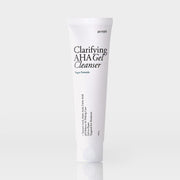
PETITFEE Clarifying AHA Gel Cleanser
A rinse-off cleanser listing that names glycolic and lactic acids. Its wash-off role differs from a leave-on acid toner or serum.
Review the cleanser PDP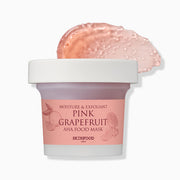
SKINFOOD Pink Grapefruit AHA Food Mask
A wash-off mask listing in the AHA category. Check the full directions and decide whether a mask has a place in a routine that is already using exfoliating steps.
Review the mask PDP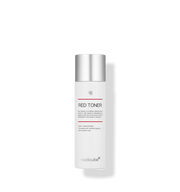
Medicube Red Toner 2.0
A toner listed in ProtoClinical's BHA collection. A toner is a leave-on step; consult its ingredient list and official instructions before use.
Review the toner PDP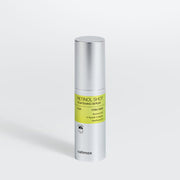
celimax The Vita A Retinol Shot Tightening Serum
A retinol-category serum. Retinoid-containing products vary; check exact ingredients, use directions, and suitability with an appropriate clinician when relevant.
Review the serum PDP
ILLIYOON Ceramide Ato Concentrate Cream
A ceramide-focused cream listing for face and body. A moisturizer can support comfort for dry-feeling skin; it is not a treatment for every bump, pore, or scar.
Review the cream PDP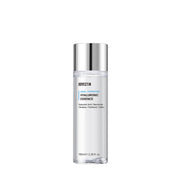
ROVECTIN Aqua Hyaluronic Essence
An essence listing that highlights hyaluronic acid and hydration. Treat it as a hydration-format example, not proof that it changes a scar or pore.
Review the essence PDP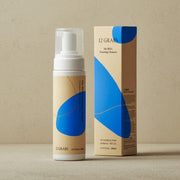
12GRABS My BHA Foaming Cleanser
A BHA-category foaming cleanser. Its rinse-off format is distinct from a leave-on treatment; check whether its use matches your skin's tolerance.
Review the cleanser PDP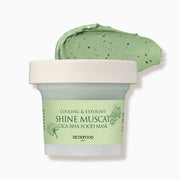
SKINFOOD Cica BHA Food Mask
A wash-off BHA mask listed on the BHA collection page. It is an optional product format, not a necessary step for healthy skin.
Review the mask PDP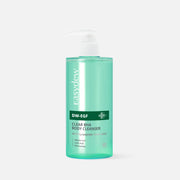
Easydew DW-EGF Clear BHA Body Cleanser
A body cleanser listing in a BHA collection. Keep face and body products within their labeled area of use and follow the product page instructions.
Review the body cleanser PDPPublic collection hubs for further comparison
These public ProtoClinical collection pages organize products by format or ingredient category. They are shopping routes, not evidence that every item in a category does the same job. Open a PDP to check its current label, complete formula when available, directions, size, and delivery details.
- AHA: toners, serums, and cleansers
- BHA: toners, pads, and cleansers
- Korean toner pads
- Hyaluronic-acid products
- Retinol and vitamin A
- Face moisturizers
Do not build a routine by purchasing one item from every collection. Categories may overlap, and several active products can produce more complexity without addressing the feature you actually notice. If the surface is already irritated, pause before adding an active. If you are managing a condition or use a prescription, ask the clinician who knows your history how to combine products safely.
When to seek professional advice
Arrange a routine medical or dermatology appointment if a surface change persists, keeps returning, spreads, affects a large area, disrupts sleep or daily activity, or remains unclear after you simplify obvious irritants. Ask sooner if a change is painful, itchy, bleeding, crusting, swollen, warm, or accompanied by other symptoms. A clinician can evaluate pattern, timing, body location, medicines, exposures, medical history, and any changes that are difficult to judge from a photo.
Seek urgent care for rapidly worsening swelling, severe pain, fever, extensive blistering, signs of infection, or a possible allergic reaction involving breathing or the face/throat. A product label cannot assess urgency. If a spot changes in size, shape, color, or texture, or does not heal, ask a clinician rather than treating it as a cosmetic blemish.
It can help to bring the product packaging, a list of medicines and supplements, and a short note about when the issue began. Include photographs taken in consistent light if the change comes and goes, but do not delay urgent care to collect images. Be specific about sensations and whether the area is stable or changing. The clinician may ask about recent products, work exposures, weather, shaving, acne, or family history.
For acne scarring, the AAD recommends consultation because identifying the scar type and understanding goals are part of treatment planning. For severe dryness, its patient guidance recommends clinician input when symptoms are painful, cracked, bleeding, stinging, or very irritating. Those examples show why a surface label is not enough to choose a treatment: the same general word can describe different clinical situations.
Professional assessment is not a failure of home care. It is the right tool when a question has moved beyond routine product fit. You do not need to wait until a concern is severe before asking for guidance, and you do not need to pursue treatment for a normal feature simply because a product page frames it as a problem.

Frequently asked questions about skin texture
Is skin texture normal?
Yes. Skin naturally has pores, follicles, fine hairs, folds, and small variations. "Texture" is a descriptive word, not a diagnosis. A new symptom, persistent rash, painful change, or lesion that is growing or not healing deserves medical attention.
What does "uneven skin texture" mean?
It can refer to several different appearances: dry flakes, raised bumps, visible pores, shallow scars, fine lines, or uneven reflection. The phrase alone does not reveal the cause. Naming the exact area, surface feature, symptoms, and timing is more useful.
Can moisturizer improve rough texture?
A moisturizer may make dry-feeling skin feel softer and more comfortable by supporting moisture at the surface. The AAD describes moisturizer formats and notes that selection depends on the person and degree of dryness. A moisturizer should not be expected to remove scars, diagnose bumps, or change normal pore anatomy.
Can skincare permanently close pores?
Pore openings are part of skin anatomy. A skincare routine may change oil, residue, or the way an area looks in a given light, but that is not the same as making an opening disappear. If a pore is clogged or acne is present, treat that specific concern rather than trying to close a normal structure.
Does exfoliation fix skin texture?
Exfoliation is one product category, not a universal answer. Products differ in ingredient, concentration, pH, contact time, format, and directions. Exfoliation can irritate skin, particularly when it is dry, peeling, or already inflamed. Decide which feature you mean before considering an exfoliant, and follow its label.
Are visible pores the same as blackheads?
No. A pore is an opening; a blackhead is a specific kind of acne lesion. A clogged follicle can involve material inside an opening, but ordinary visible pores are not automatically blackheads. Do not squeeze an area to make this distinction. Seek assessment if bumps are painful, persistent, or inflamed.
Why does texture look more obvious in photos?
Close distance, sharp focus, direct side lighting, high contrast, makeup, and digital sharpening can emphasize small contours. Filters can hide them. A consistent, ordinary-light view may be a better way to compare a change, though photographs do not diagnose a condition.
Can a serum erase acne scars?
Do not assume so from a "smoothing" label. Acne scars vary in type and depth. The AAD explains that a dermatologist examines scar type and other personal factors when building a plan. A serum may fit some skincare routines, but that does not establish that it will remove an established scar.
What if my skin feels rough after starting a new product?
Pause the suspected product if irritation develops, simplify optional steps, and preserve the ingredient list. Burning, swelling, a spreading rash, pain, or persistent symptoms are reasons to seek medical advice. Avoid adding scrubs or acids to "get through" a reaction.
Is skin texture a sign that my skin is unhealthy?
Not by itself. Texture is a broad description. Some patterns are normal; others may accompany dryness, acne, irritation, scarring, or a medical condition. Symptoms, timing, location, and change matter more than the word alone.
How long should I wait for a product to change texture?
There is no single timeline for all products or all surface concerns, and a retail page may not establish a clinical endpoint. Do not keep using a product through irritation because a claim promises a result by a certain date. Follow the actual label and seek professional advice for persistent or symptomatic changes.
Should I use several "texture" products together?
No general rule says that more is better. Multiple exfoliating or irritating steps can complicate a routine and make reactions harder to trace. Keep a clear purpose for each step, check the product directions, and ask a clinician or pharmacist when medicines, a skin condition, pregnancy, or sensitivity may affect your choices.
Related ProtoClinical guides
Sources and editorial notes
- Cleveland Clinic: Epidermis - outer layer, structure, and function.
- Cleveland Clinic: Clogged pores - definition and common factors.
- Roh et al. Sebum output as a factor contributing to the size of facial pores. Skin Research and Technology. 2006.
- American Academy of Dermatology: How to pick the right moisturizer for your skin.
- DermNet: Keratosis pilaris - symptoms, causes, and treatment overview.
- American Academy of Dermatology: Acne scars - consultation and treatment.
- Cleveland Clinic: Allergic reaction - symptoms and when to seek emergency care.
Editorial scope: this article defines a descriptive skincare term. It does not diagnose conditions, promise product outcomes, or substitute for individualized medical advice. Product cards link to public ProtoClinical pages and may change; check each live listing before use.
ProtoClinical � Evidence-led skincare education
0 comments